Locations:


The dangers of self-tattoo kits. Yes, we’re wincing
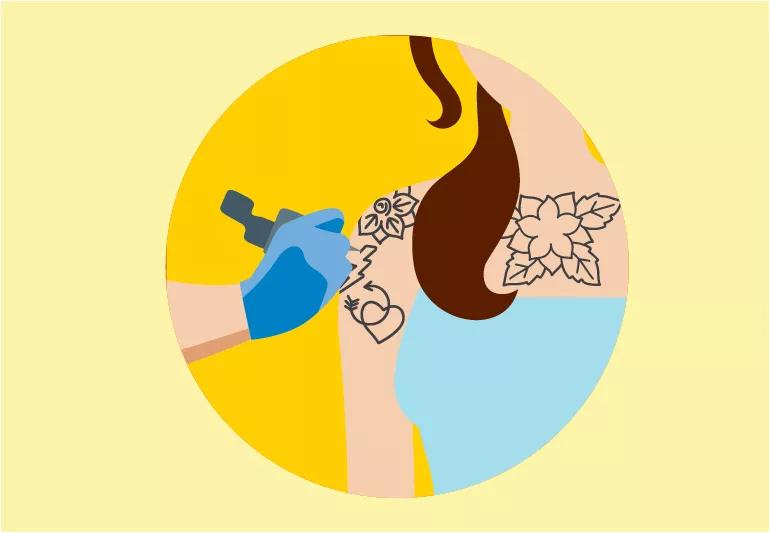
Image content: This image is available to view online.
View image online (https://assets.clevelandclinic.org/transform/eb3fa30c-2650-41aa-9d4e-3beb0886cbd3/home-tattoo_jpg)
Tattooist artist paint woman body
Searching for your next DIY project? Maybe self-tattooing with a chance of cross-contamination and infection is just what you’re looking for.
Advertisement
Cleveland Clinic is a non-profit academic medical center. Advertising on our site helps support our mission. We do not endorse non-Cleveland Clinic products or services. Policy
Sound scary? That’s because it is. Over-the-counter self-tattoo kits are gaining traction – and health experts say it’s incredibly risky, especially for teenagers and children.
“Anytime you’re breaking the skin there’s a chance of infection or risk of blood-borne illness,” says infectious disease specialist Jessica Lum, MD. “And when it’s not in a controlled environment with trained professionals and regulations, it can be extremely dangerous.”
Poke, poke, poke.
Most self-tattoo kits are the “stick and poke” method. Essentially, dipping a needle into ink and then piercing your skin with said needle to form a design. One must poke deep enough for the ink to penetrate the skin, but also not to draw (too much) blood.
“This trend raises a lot of concerns,” says Dr. Lum. “We don’t know if people are sharing needles or sterilizing the area or environment around them correctly. There are no regulations around this practice.”
Dr. Lum says self-tattooing and unsafe tattoo practices can put you at risk for:
Amateur tattoo artists lack the proper training, skills, equipment and knowledge that professional tattoo artists have.
Advertisement
If you still have your heart set on a tattoo, Dr. Lum recommends speaking with a licensed professional. She recommends discussing:
Professionals will dispose of the needles properly, sterilize the equipment, follow strict regulations set by the government (did you know the tattooing area cannot be within a certain range of a kitchen?) and inform you of what to expect as your tattoo heals.
Regulated tattoo parlors also track where the needles and ink come from to help ensure your safety.
On the flip side, self-tattooing by amateurs is often done in non-sterilized environments with little regards to safety. For instance, you’re at risk of being contaminated if the person tattooing you reaches up to adjust a light and then resumes tattooing without using new gloves. Whatever was on the surface of that non-sterilized light – say bacteria or other germs – is now exposed to your open skin.
It might seem like a small risk or not a big deal – but it is. Amateur tattooing is dangerous and there’s a reason there are certified professionals.
“If there’s risk for adults using these kits with no regulations, it’s even greater for kids,” say Dr. Lum. “Most kids don’t understand the risk of how dangerous this can be.”
Art may be the basis of tattooing, but it all comes down to the science of it. Hygiene and safety should be your biggest concerns when debating whether or not you should get a tattoo.
Anyone who is immunocompromised (like those who have received a transplant or those waiting to) should not get a tattoo of any kind.
If you get a tattoo and something doesn’t look or feel right, see a doctor as soon as symptoms appear.
Advertisement

Sign up for our Health Essentials emails for expert guidance on nutrition, fitness, sleep, skin care and more.
Learn more about our editorial process.
Advertisement
Help your ink heal by keeping it moisturized and protected from the sun

Ink may cause serious skin reactions to tattoos
Body art and managing tattoo risks

Having a close family member with lupus doesn’t guarantee you’ll develop it, but it may raise your risk
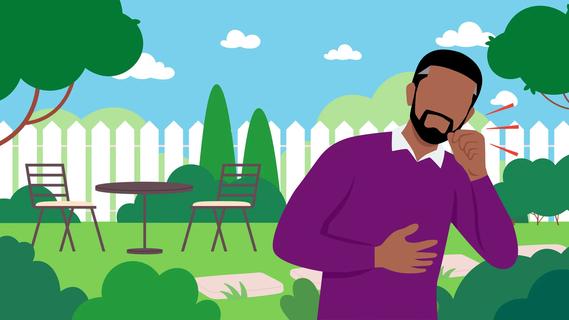
A chronic cough may be a sign of fluid buildup in your lungs when your heart isn’t working well

When surgery isn’t your best option, radiation, immunotherapy or targeted medications may help
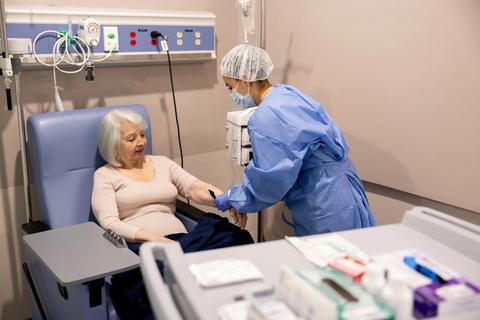
PD-1 inhibitors harness your immune system to shrink tumors
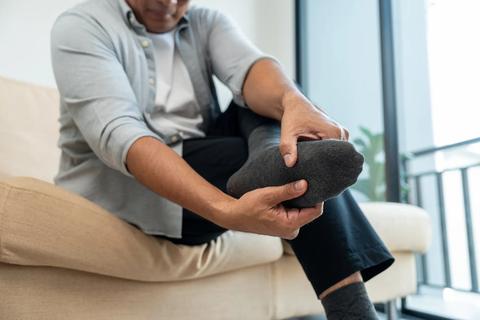
A two-pronged approach often includes medications to relieve acute gout attacks and to prevent them in the future

This simple practice can help you notice what’s meaningful, comforting or going well

Maca root supplements claim benefits like sexual health, menopause symptom relief and more energy — but human research is limited
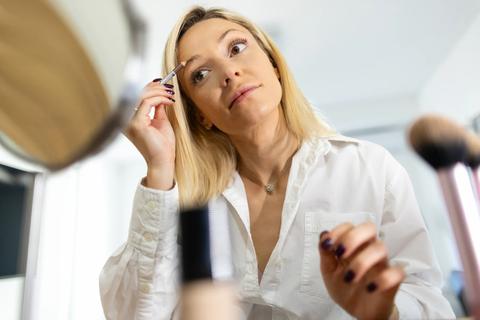
It can take a few months — and you’ll need to put down the tweezers to give your brows time to recover
 Search