Locations:



These nuts are packed with healthy monounsaturated fat, protein and calcium

Image content: This image is available to view online.
View image online (https://assets.clevelandclinic.org/transform/146ecbcf-2077-4262-a43e-1add7bb88b02/snackingAlmonds-577948460-770x553-1_jpg)
woman snacking on almonds
We’ve all heard that nuts are good for us. But is there one that reigns above all others? A lot of evidence suggests that the almond may be in the running as far as health benefits go.
Advertisement
Cleveland Clinic is a non-profit academic medical center. Advertising on our site helps support our mission. We do not endorse non-Cleveland Clinic products or services. Policy
Like many other nuts, almonds are high in fat — but that’s not a bad thing. This is because they’re packed with healthy monounsaturated fat. Evidence suggests that monounsaturated fats, like the ones found in the Mediterranean diet, have a positive impact on your heart health.
Plus, almonds are known to be an easy, go-to snack. You can enjoy them in a variety of ways such as whole almond milk, almond butter and almond flour, making them a versatile and convenient ingredient for many recipes.
Dietitian Julia Zumpano, RD, LD, helps unpack the details about this highly nutritious nut.
Almonds are a rich source of fiber, protein, healthy fats, vitamin E, magnesium, phosphorus and potassium. These nutrients play critical roles in many bodily functions, like energy production, cell growth and immune function.
Here’s what makes almonds healthy for you:
If you read the nutrition label for almonds, you may notice they’re higher in fat than other foods you’re used to consuming. Don’t be alarmed by this. Almonds are high in monounsaturated and polyunsaturated fats, which are considered “healthy” fats.
Why is this important? Well, these fats are good for your heart because they can lower your bad cholesterol and raise your good cholesterol. So, if you’re trying to manage your cholesterol, almonds are a good snack choice to keep handy.
Advertisement
In addition, almonds have slightly fewer carbohydrates compared to other nuts and make a good snack option for people with diabetes or those following a low-carb diet. The amount of fiber found in almonds is especially important if you have Type 2 diabetes. The fiber in almonds keeps your blood sugar more stable, which reduces the risk of having a spike in blood sugar.
Because of their high calcium content, almonds can also support bone and teeth health. Especially if you’re not a big dairy drinker or have a dairy sensitivity, a handful of almonds can help keep your diet balanced. Plus, they contain magnesium, zinc, vitamin K and manganese, which can contribute to bone health as well.
Almonds are a good source of antioxidants, including vitamin E and flavonoids. These help protect cells from damage caused by free radicals and oxidative stress. A 2022 meta-analysis found that eating about 60 grams (about 2.25 ounces) of almonds a day helped reduce inflammation in the body. Almonds are especially known for their high abundance of vitamin E, which is an antioxidant that can help protect the brain from oxidative stress and inflammation.
You may be wondering if having almonds that have a bit of an extra kick of flavor or spice can still give you the same health benefits. Roasted almonds are simply almonds that have been heated in an oven or on a stovetop. This can help bring out the natural oils in the almonds, making them more flavorful. “Keep in mind some antioxidants can be lost in the heating process,” points out Zumpano. “So, for the most nutritional benefit choose raw almonds.”
Flavored almonds, on the other hand, are almonds that have been coated with a flavoring or seasoning. This can include sweet flavors like honey, cinnamon or chocolate, or savory flavors like salt and vinegar, barbecue or garlic. The flavorings can be added to the almonds before or after roasting, depending on the recipe.
Whether you’re reaching for roasted, flavored or plain almonds, you’ll likely get the same amount of nutrients no matter what you choose. While both roasted and flavored almonds can be a tasty and healthy snack, remember that these can include unhealthy oils, added salt and sugar, which can contribute to increased blood sugars, blood pressure, inflammation and even cholesterol due to the added oils. “It’s important to read the labels carefully and choose brands that use natural ingredients and avoid excessive amounts of added sugars, salt or artificial flavors,” recommends Zumpano.
If you’re looking to add a healthy nut to your snack rotation or meal routine, almonds are a great option to throw into your trail mix, salad or even a favorite dinner recipe. Sometimes, we all just need an easy bite-sized treat that gives our body just what it needs. Happy almond snacking!
Advertisement
Advertisement

Sign up for our Health Essentials emails for expert guidance on nutrition, fitness, sleep, skin care and more.
Learn more about our editorial process.
Advertisement
This East Asian and subtropical fruit is packed with delicious nutrition
Lean meats, fish, dairy and plant proteins can help you meet your protein needs without piling on saturated fat and sugar
This citrus fruit delivers vitamin C, fiber and other nutrients that can support your heart, immune system and skin
Protein is essential in your diet, but piling more onto your plate isn’t always better

Both are healthy choices, but wild-caught salmon offers a few more benefits

This vibrant purple yam offers vitamin C, fiber and antioxidants in every bite
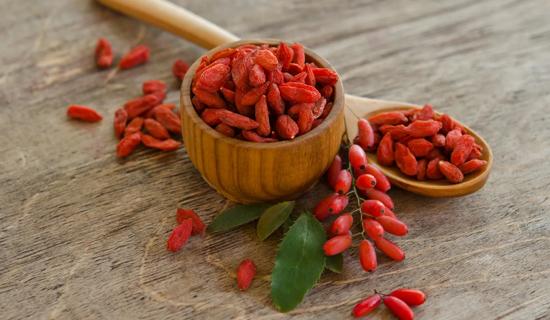
These bright berries are packed with nutrients and antioxidants that may support your eyes, immune system and overall well-being

The general rule is 1.2 to 1.6 grams of protein per kilogram of body weight — but that may not be exactly right for you

Managing your weight through physical activity may lower your chances of getting this common cancer

It typically starts in October and winds down in early spring, with cases at their highest in the middle of winter

Anxiety disorders, health conditions and past trauma can make driving nerve-wracking — help is available
 Search










