Locations:



The skin care superhero relieves dry skin and eases irritation
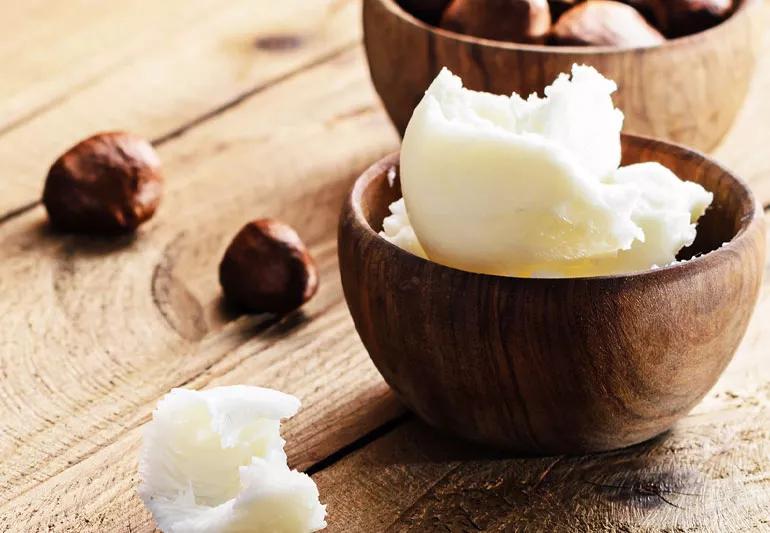
Image content: This image is available to view online.
View image online (https://assets.clevelandclinic.org/transform/43bd38c6-5340-484e-bf06-ca6dcc308c90/shear-butter-with-nuts-808204214-770x533-1_jpg)
Shea butter and the nuts it is made from displayed on a wooden table.
Isn’t it great when you discover something that can tackle multiple problems?
Advertisement
Cleveland Clinic is a non-profit academic medical center. Advertising on our site helps support our mission. We do not endorse non-Cleveland Clinic products or services. Policy
Instead of purchasing several products, you get one with a powerhouse ingredient that can pull double- and even triple-duty. Introducing shea butter — a skin care superhero that helps with several complexion woes.
“It can be especially helpful for dry, reactive skin,” says dermatologist Alok Vij, MD.
Learn about the benefits of shea butter and decide if it’s destined to become your new favorite product.
Shea butter is a creamy fat found in nuts growing on shea trees in African countries. It’s solid at room temperature but melts on contact with skin, similar to coconut oil.
And while it’s edible and used in many African recipes, it’s primarily found in skin and hair care products in the United States.
You can safely apply shea butter to your face, lips and body. Some body scrubs and hair conditioners also contain shea butter for its moisturizing effects.
However, notes Dr. Vij, it’s not the best option for acne-prone skin. Shea butter may clog pores and lead to more breakouts. And those with seborrheic dermatitis or dandruff should note that yeast related to dandruff can grow in shea butter.
Raw shea butter is packed with vitamins and nutrients that are good for your skin. Refined (or processed) shea butter loses some of its essential nutrients during processing.
Advertisement
For example, there’s less or no cinnamic acid, an anti-inflammatory substance, in processed shea butter. Raw shea butter is usually yellow or beige, while refined shea butter is white.
Both shea and cocoa butter are moisturizers — emollients that keep water from evaporating from your skin. But shea butter has more fatty acids, vitamin E and, unlike cocoa butter, contains vitamin A.
Another difference is in the scent. Cocoa butter comes from the same source as chocolate — the cacao tree — so it smells chocolatey. Shea butter has a mild nutty fragrance.
Shea butter benefits the skin in several ways. Here’s how it boosts skin health:
Typically, you can find shea butter in lotions for people with dry skin. Shea butter contains fatty acids. They lubricate the skin and create a barrier that keeps moisture in. In people with oilier skin, sebum (natural skin oil) does this job. But for those with drier skin, a moisturizer helps maintain dewiness.
Shea butter contains anti-inflammatory substances, which ease swelling and redness in skin. People use it for any irritation, from sunburns to chapped lips to skin that’s reacting to too many acid peels or scrubs.
Cosmetics companies often add antioxidants (substances that protect cells) to anti-aging skin care. Shea butter contains two antioxidants:
“Vitamin A is crucial for skin health,” says Dr. Vij. “Since the 1970s, we’ve used retinoids — synthetic forms of vitamin A — to firm skin and reduce wrinkles.”
It works by increasing the skin-cell turnover rate, smoothing the skin’s surface. It also plumps skin by stimulating the production of collagen, the framework that keeps your skin from sagging.
Shea butter naturally has a lot of vitamin E.
Even better? The majority of it is alpha-tocopherol (one of eight forms of vitamin E), which has the highest antioxidant activity. Vitamin E is in our sebum, so oilier skins have more of it.
But sebum production tends to decline with age. Sunlight exposure depletes it, too. Vitamin E helps skin by preventing cellular damage and boosting moisture.
Eczema is a common skin condition that causes itchy, red rashes. It also makes you prone to skin infections. When you have eczema, part of the problem is that you don’t have enough fatty acids in your skin. Your skin barrier isn’t as effective at warding off irritants and germs.
Eczema treatment includes applying thick ointments, balms or creams to seal in moisture and defend against germs.
One study found that shea butter was better at reducing eczema symptoms than petroleum products, which doctors often recommend. This may be because shea butter contains linoleic acid, a fatty acid that’s in skin.
Advertisement
Research indicates that linoleic acid plays a crucial role in protecting skin and can significantly reduce eczema symptoms.
“It’s essential for people with eczema to keep their skin moist and protected,” says Dr. Vij. “Shea butter can be a good option for many folks.”
Shea butter has a sun protection factor (SPF) of about three or four. It’s too small to prevent sun damage or sunburn on its own.
But manufacturers combine it with other ingredients to reach levels of SPF 15 or higher. Plus, you get all the soothing, moisturizing and anti-aging benefits of shea butter.
Shea butter is safe for people with nut allergies. Allergens are proteins. While shea butter does come from nuts, it’s made entirely of fat, so it’s allergen-free. Additionally, no one has reported a reaction to it.
However, raw shea butter does contain latex. So people with latex allergies should avoid it or make sure they only use refined shea butter.
Using shea butter regularly helps skin retain moisture, which makes it soft and smooth. Since it’s loaded with antioxidants and anti-inflammatory agents, it may also keep your skin supple.
Smoothing on shea butter every day has lots of health benefits — plus it’s a daily ritual that flat out feels good.
Advertisement

Sign up for our Health Essentials emails for expert guidance on nutrition, fitness, sleep, skin care and more.
Learn more about our editorial process.
Advertisement
This multitasker can help keep your skin clear, support wound healing and disinfect surfaces around your home
This gentle facial cleanser removes dirt, oil and most makeup without drying out your skin
UVA rays from tanning beds increase your risk of skin cancer, wrinkles and eye damage
Warm water, lotion, cooking oils or nail polish remover may all help to loosen the adhesive
Educate your child about body image, expectations and skin care first
Coffee skin care products contain anti-aging and brightening benefits — but there may be better options
Although it could be used as a moisturizer, this new trend is not recommended

It’s a great disinfectant for around your home, but not for your skin

Rapid weight loss can cause loose skin, facial volume loss and body contour changes

Swallowing too much air, certain foods and drinks, and digestive conditions can all make you belch more

From poor hand hygiene and ventilation issues to contaminated food, many factors can make infectious diseases spread quickly
 Search