Locations:






Tracking your weight, swelling, blood pressure and more may help you — and your provider — figure out what’s driving secondary FSGS

The best predictors of kidney cancer’s return are cancer type, stage and grade after surgery
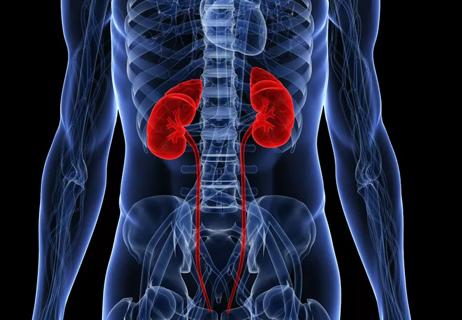
The biggest concern is that they could rupture

Pacing yourself, listening to your body and accepting help are key to living well with this rare kidney disease
Advertisement
Cleveland Clinic is a non-profit academic medical center. Advertising on our site helps support our mission. We do not endorse non-Cleveland Clinic products or services. Policy

You can help your loved ones understand what you’re living with through simple conversations and small examples of daily life challenges

Warmer temps, dehydration and increased physical activity can cause kidney stones that formed over the winter to move
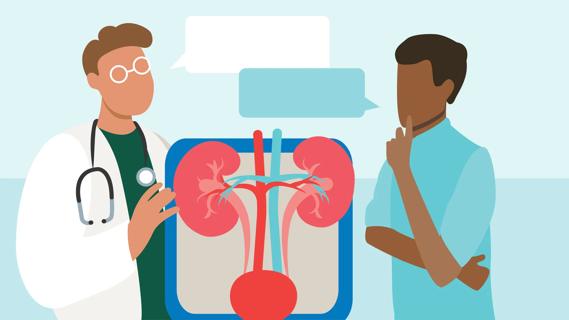
Thinking ahead — about having kids, preventing infectious diseases and more — can help you thrive with this chronic kidney disease

Social support, educational resources and mental healthcare can positively impact your kidney health

Your nephrologist can help you better understand your diagnosis, treatment options and what to expect going forward

Mindful eating, physical activity and quality sleep are just a few ways to protect your kidney function
Advertisement
Advertisement
 Search