Locations:





Advertisement
Cleveland Clinic is a non-profit academic medical center. Advertising on our site helps support our mission. We do not endorse non-Cleveland Clinic products or services. Policy

Stress, tight clothing and even sunlight can cause this itchy condition
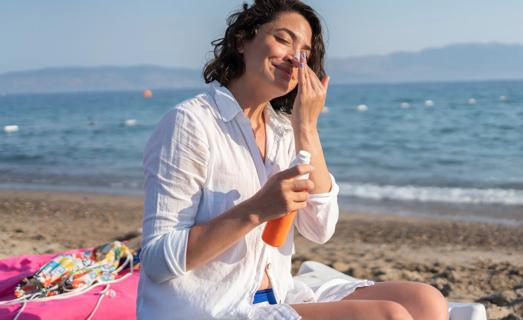
OTC medications, loose clothing, sun protection and other health habits can help manage flares

Treatment is tailored to you and may involve medications like antihistamines, corticosteroids or antidepressants
The itching and swelling of chronic spontaneous urticaria can disrupt sleep, confidence and daily life — and stress can make symptoms worse

For most people with chronic spontaneous urticaria, diet changes don’t make a meaningful difference
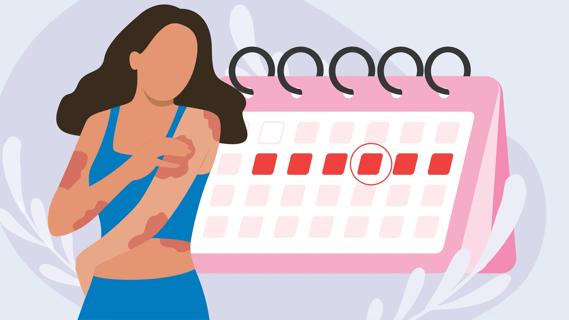
Hormonal changes during your period, pregnancy and more can contribute to hives
Advertisement
Stress, tight clothing and even sunlight can cause this itchy condition
https://health.clevelandclinic.org/chronic-hives-triggers
OTC medications, loose clothing, sun protection and other health habits can help manage flares
https://health.clevelandclinic.org/lifestyle-tips-for-managing-chronic-hives
Treatment is tailored to you and may involve medications like antihistamines, corticosteroids or antidepressants
https://health.clevelandclinic.org/chronic-hives-flare-up
The itching and swelling of chronic spontaneous urticaria can disrupt sleep, confidence and daily life — and stress can make symptoms worse
https://health.clevelandclinic.org/chronic-hives-and-mental-health
For most people with chronic spontaneous urticaria, diet changes don’t make a meaningful difference
https://health.clevelandclinic.org/chronic-hives-and-diet
Hormonal changes during your period, pregnancy and more can contribute to hives
https://health.clevelandclinic.org/chronic-hives-and-menstruation
Advertisement
 Search