Locations:





 Search
Plaque psoriasis builds over time, while GPP can appear suddenly with symptoms that may require urgent care
Signs like fever, breathing problems and muscle weakness, along with red patches and pus-filled bumps, mean it’s time for emergency treatment
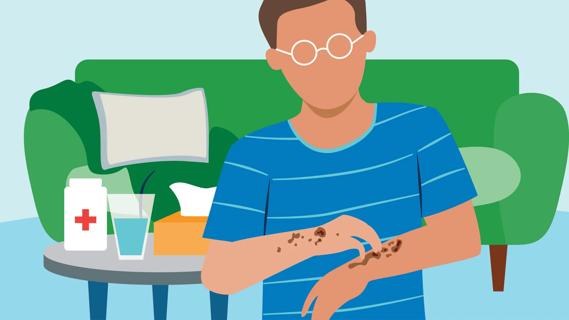
Understanding what sets off this serious skin condition can help you recognize when you need urgent care
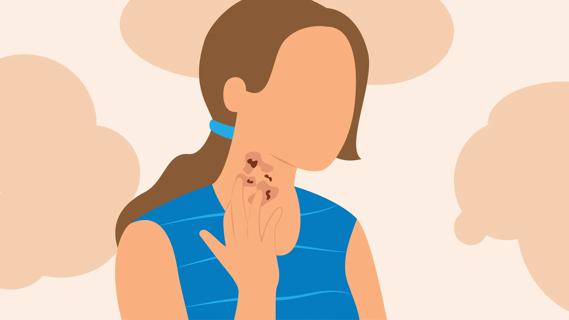
Both inflammatory conditions have varying triggers and symptoms
Advertisement
Cleveland Clinic is a non-profit academic medical center. Advertising on our site helps support our mission. We do not endorse non-Cleveland Clinic products or services. Policy
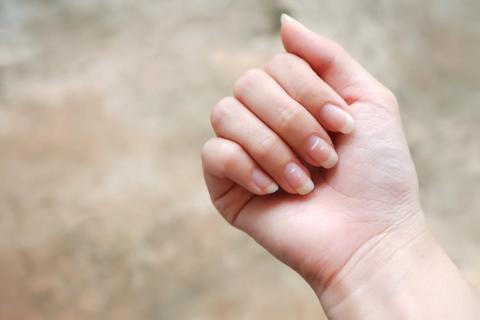
Color, texture or shape changes may signal a larger medical issue

Moisturize often, take oatmeal baths, use Epsom salts and follow a healthy diet to help reduce your symptoms
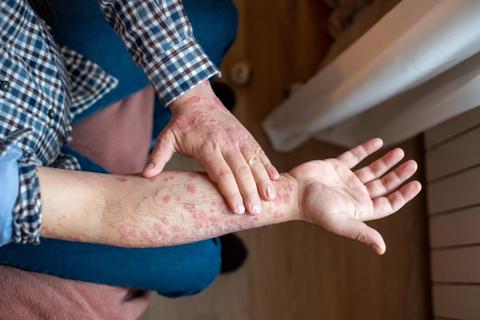
The common skin condition isn’t contagious, but it can pop up anywhere on your body during a flare
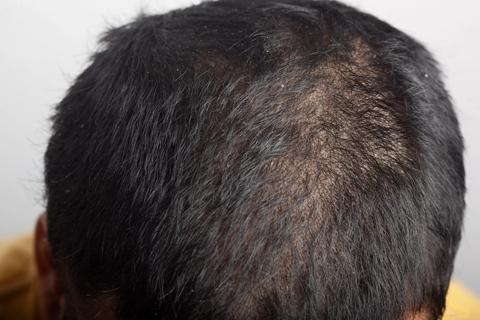
Calm an itchy scalp by using medicated shampoo, avoiding blow-drying and resisting the urge to scratch

A well-balanced diet with anti-inflammatory foods can help reduce flare-ups and severity of psoriasis symptoms
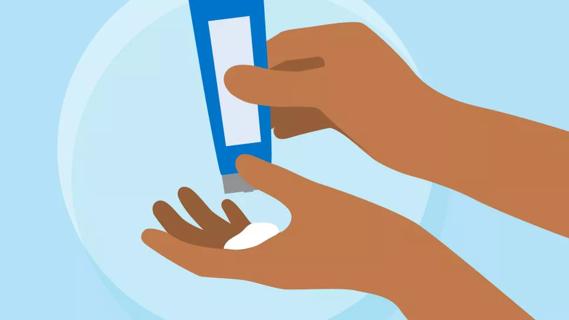
Caused by inflammation, psoriasis itch can be managed with a variety of treatments, like moisturizing and taking cooler and shorter showers
Advertisement
Advertisement