Locations:





 Search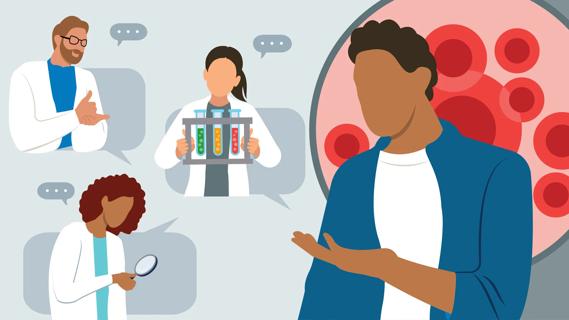
A hematologist-oncologist, an allergist/immunologist and a primary care provider will likely all be key players
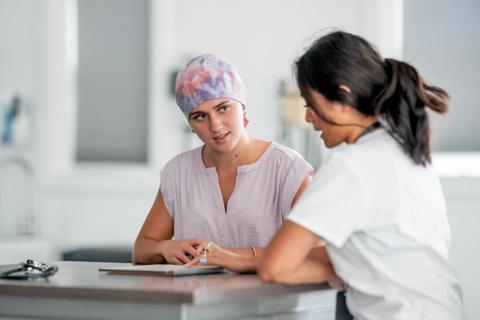
Follow a balanced diet, get lots of rest, stay hydrated, tend to your mental health — and don’t skip your appointments
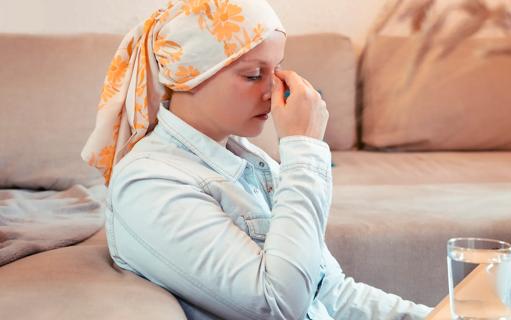
Any fever, especially one of 100.5 degrees Fahrenheit or higher, should trigger a call to your oncologist — and maybe a trip to the ER

Smoking can make symptoms from cancer treatment worse, and can even make treatments less effective
Advertisement
Cleveland Clinic is a non-profit academic medical center. Advertising on our site helps support our mission. We do not endorse non-Cleveland Clinic products or services. Policy

Prioritize protein and fresh produce, but be extra careful to avoid bacteria that could cause foodborne illnesses
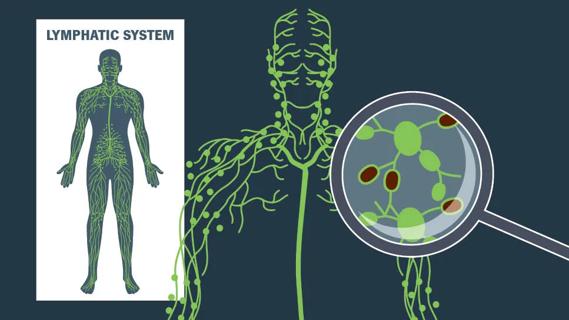
Finding cancer cells in your lymph nodes often means cancer is growing and you may need different treatment
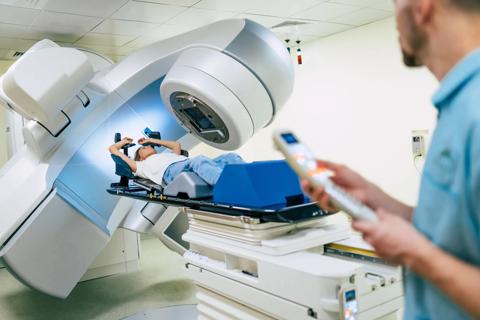
Cancer and its treatments can cause anemia, often due to bleeding or treatment side effects
Prioritizing nutrition and physical activity are key to staying strong and energized

Stay hydrated, opt for fruits, veggies, whole grains and lean protein — and try to eat snacks and smaller meals throughout your day instead of larger portions

Practice meditation together, make a unique-to-them care package and embrace emotions
Advertisement
Advertisement