Locations:





Cancer and its treatments can cause anemia, often due to bleeding or treatment side effects
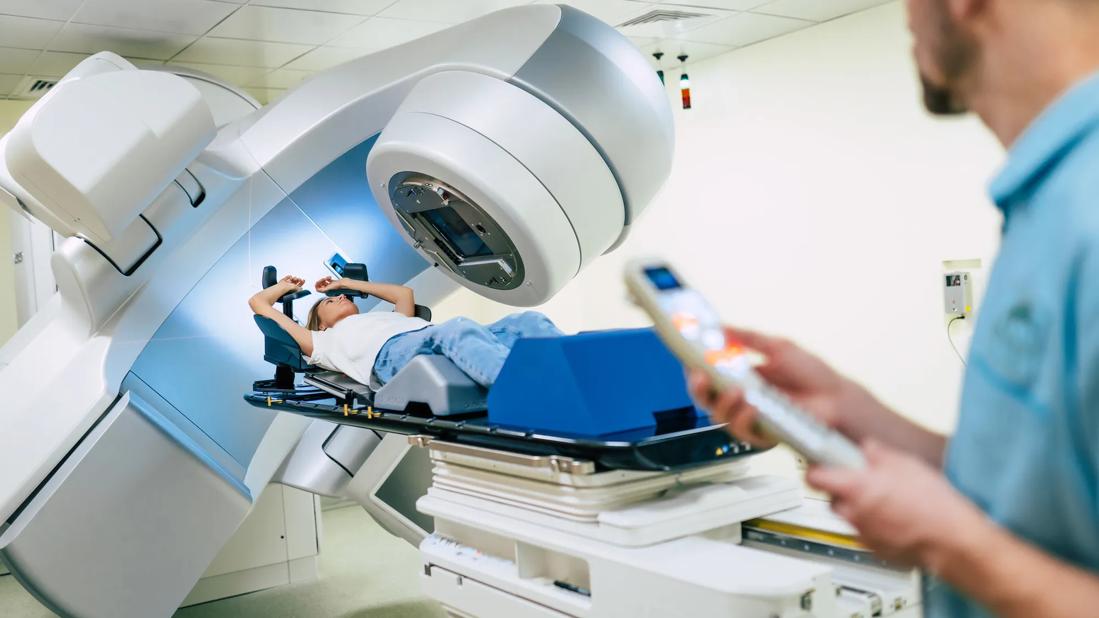
Image content: This image is available to view online.
View image online (https://assets.clevelandclinic.org/transform/e3eca96a-a280-4fd5-8845-264206c2a660/raditation-therapy-1314465741)
Person undergoing radiation therapy, with technician nearby
If you have cancer and feel completely exhausted, it’s totally normal — and may be treatable. One of the main side effects of cancer and its treatments is anemia — a blood disorder that can leave you feeling tired, dizzy and cold.
Advertisement
Cleveland Clinic is a non-profit academic medical center. Advertising on our site helps support our mission. We do not endorse non-Cleveland Clinic products or services. Policy
People with anemia have a low red blood cell count and low hemoglobin — a protein in red blood cells that helps your body exchange oxygen and carbon dioxide. When something affects your red blood cells, they can’t deliver oxygen-rich blood to tissues throughout your body. This leaves you feeling wiped out.
“Anemia can happen for several reasons, including cancer or cancer treatment,” says hematologist and oncologist Dana Angelini, MD. “Regardless of the cause, anemia can leave you exhausted and drained. In severe cases, it can be life-threatening.”
Adding anemia to your list of cancer-related concerns may feel overwhelming. But the more you know about the close link between anemia and cancer, the better you’ll be able to manage your symptoms or avoid anemia altogether.
Anemia doesn’t cause cancer. And you may have anemia for reasons that have nothing to do with cancer. For example, iron deficiency or excessive bleeding during menstruation can also cause it.
But if you have cancer and are undergoing treatment, your team will already be on the lookout for anemia because it’s very common. Up to 90% of people with cancer experience anemia as a result of:
Advertisement
“It’s important to identify the exact cause of anemia, beyond ‘cancer’ or ‘cancer treatment,’” Dr. Angelini clarifies. “We never leave anemia as its own diagnosis because when we understand the cause, we know how best to treat it.”
Any cancer treatment can raise your risk of anemia. Some treatments cause anemia because of how they’re given. In other cases, the side effects of treatment may also lead to anemia, especially if they affect your ability to stay hydrated and get essential nutrients.
Cancer treatments linked to anemia include:
Some types of cancer can directly lead to anemia, regardless of treatment. They include:
Treating anemia is important because:
“Sometimes, if your blood counts aren’t high enough, your team may decide to delay treatment or give a reduced dose,” Dr. Angelini notes. “Having healthy blood counts will help you get the most effective treatment for cancer.”
Your anemia treatment may include:
Advertisement
If you’ve been diagnosed with cancer, Dr. Angelini recommends the following steps to help reduce your risk of developing anemia:
“If you have cancer, it’s important to treat everything that’s happening to your body, not just the cancer itself,” emphasizes Dr. Angelini.
Advertisement

Sign up for our Health Essentials emails for expert guidance on nutrition, fitness, sleep, skin care and more.
Learn more about our editorial process.
Advertisement

Treatments like chemotherapy and radiation can cause your red blood cell levels to decrease

Your care team can determine if you’re a good match for this newer type of targeted treatment

Research on whether glyphosate increases cancer risk is mixed, but you can take steps to limit your exposure
They’re usually a sign of a common illness, like a cold or the flu, but they can occasionally signify certain types of cancer

Persistent itching is usually caused by something harmless — but in some cases, it can point to certain cancers

While there’s no 100% guarantee, you can help limit cancer risk by adopting healthier lifestyle habits

Symptoms like constant fatigue, shortness of breath and chills could all be signs of low iron
Breast cancer treatments can lower estrogen, which has a ripple effect on your bones

Managing your weight through physical activity may lower your chances of getting this common cancer

It typically starts in October and winds down in early spring, with cases at their highest in the middle of winter

Anxiety disorders, health conditions and past trauma can make driving nerve-wracking — help is available
 Search










