Locations:





 Search
Breast cancer treatments can lower estrogen, which has a ripple effect on your bones

Breast cancer treatments can lower your fertility, but egg freezing and other preservation measures may be an option

The process can range from six months to more than a year, depending on whether you have immediate or two-stage reconstruction

To help yourself heal, prepare your home for recovery ahead of time and tend to your physical and mental health
Advertisement
Cleveland Clinic is a non-profit academic medical center. Advertising on our site helps support our mission. We do not endorse non-Cleveland Clinic products or services. Policy

Practical help and honest conversations can make a meaningful difference
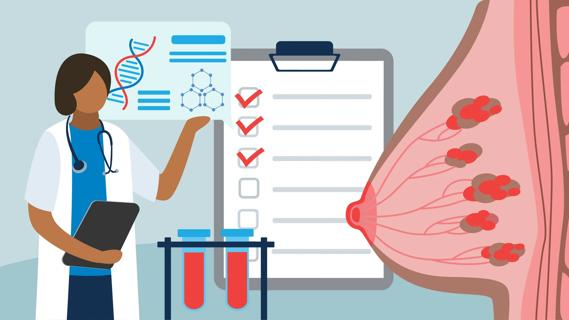
Your path lab report contains detailed information about your tumor — your care team can work with you to turn it into a care plan
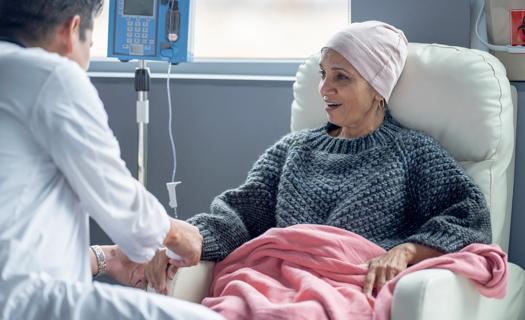
Doctors look at stage, biology, genetic risk and more to recommend your treatment plan
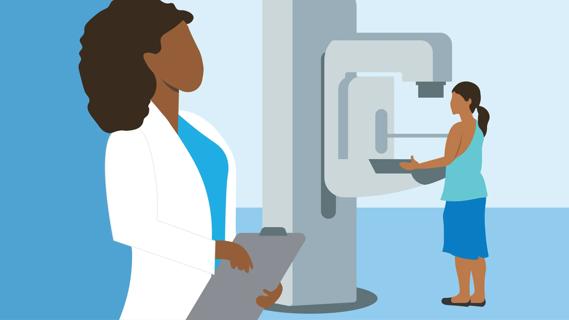
While you can’t change risk factors, like age or genetics, lifestyle choices and regular screenings can help lower your overall risk

Breast cancer and its treatments can affect your heart, but your care team works closely with you to monitor risk and protect you during and after therapy

Breast cancer treatment can trigger menopause and menopause-like symptoms, but there are safe, supportive ways to manage them
Advertisement
Advertisement