Locations:





 Search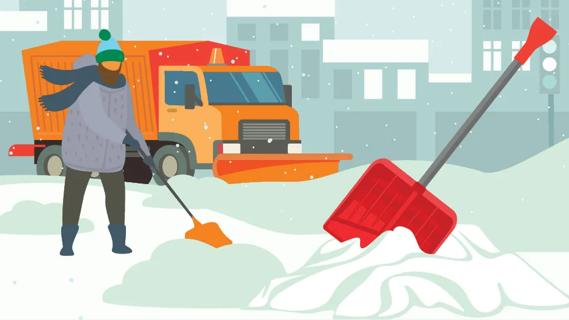
Exerting yourself in cold temperatures increases your risk of a cardiac event
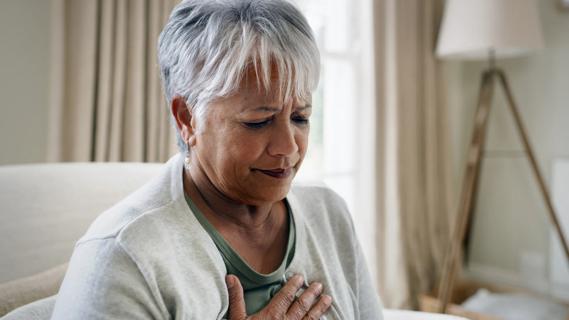
Strokes affect your brain, while heart attacks affect your heart — both can be life-threatening emergencies
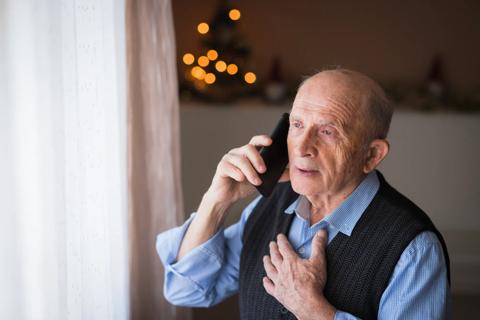
There’s no way to stop a heart attack on your own — call for help immediately
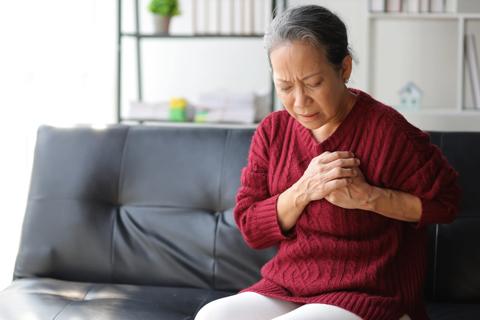
Both are medical emergencies, but they are very distinct events with different causes
Advertisement
Cleveland Clinic is a non-profit academic medical center. Advertising on our site helps support our mission. We do not endorse non-Cleveland Clinic products or services. Policy

Healthy choices involving food, exercise and more can help reduce your risk
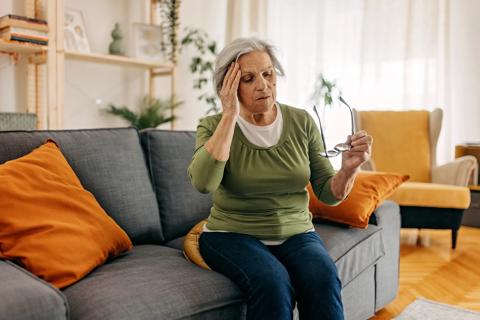
Hypertension strains your heart and blood vessels, causing damage that can contribute to heart attacks
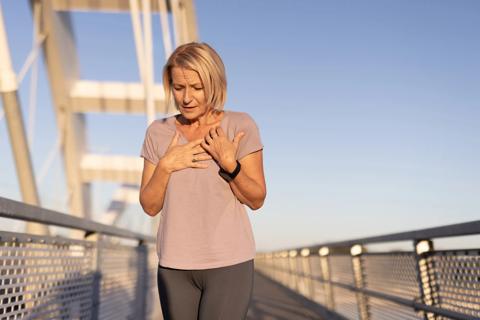
Recognizing subtle symptoms, like unusual fatigue or fleeting episodes of chest pain, could be key to survival
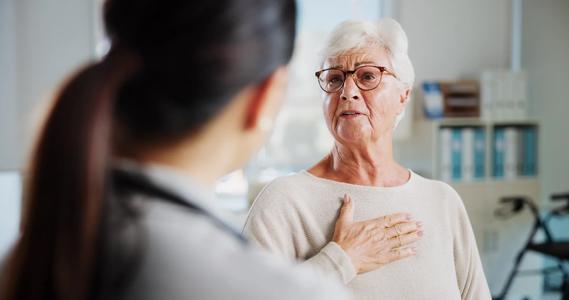
Common symptoms include chest discomfort, shortness of breath, nausea and profuse sweating
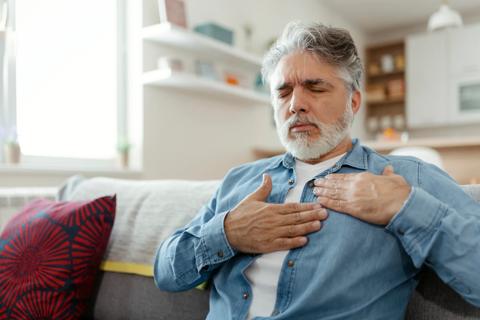
If you have other cardiac symptoms, and antacids aren’t working, it’s time to call emergency services
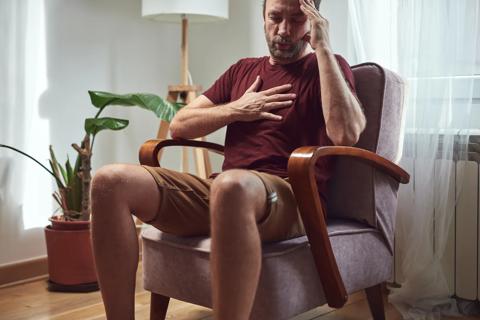
Calling 911 or emergency services should always be your first step
Advertisement
Advertisement