Locations:





 Search
Earbuds can help with relaxation and blocking noise — but volume, fit and device type all matter for protecting your ears
Most people fall asleep within 10 to 20 minutes, but if your experience is different, adjusting your sleep schedule may help
If you’re waking up drenched, it could be menopause, stress, medications and other causes
If you’re putting off going to bed to have some time for yourself, you’re not doing your well-being any favors
Advertisement
Cleveland Clinic is a non-profit academic medical center. Advertising on our site helps support our mission. We do not endorse non-Cleveland Clinic products or services. Policy
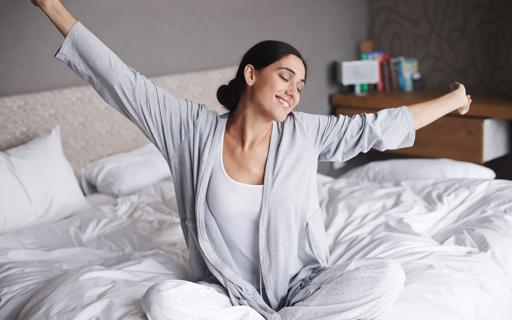
Most adults need seven to nine hours, while young children need around 10 to 14
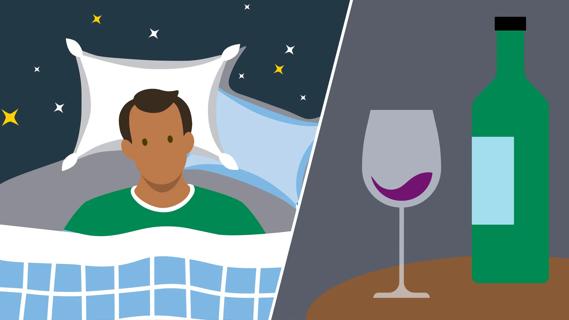
A late-night cocktail can disrupt your sleep cycle in a way that undermines the quality of your rest
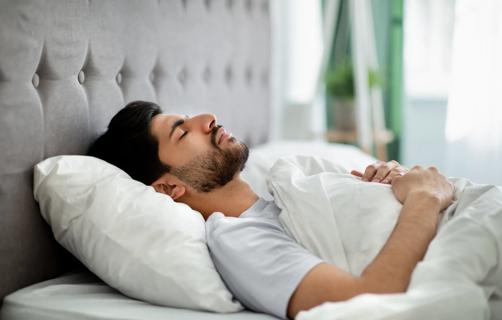
There’s no one sleep position that’s best for everyone — but you may benefit from sleeping a certain way depending on your individual needs
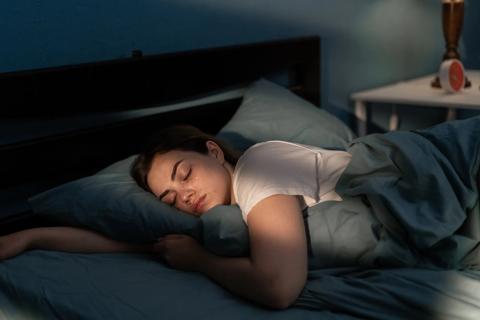
Changing hormones, mental health issues and a higher risk for sleep disorders can all impact women’s sleep needs
Drink some water, take a little walk, step away from your computer and chat with a coworker, or even your toddler, to help ward off daytime sleepiness

Dry air, allergies or nose-picking may be to blame for nighttime epistaxis
Advertisement
Advertisement