Locations:





 Search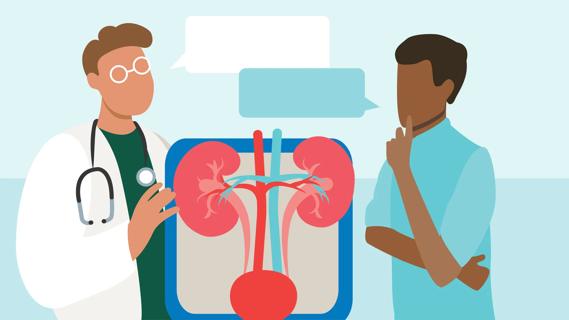
Thinking ahead — about having kids, preventing infectious diseases and more — can help you thrive with this chronic kidney disease

Social support, educational resources and mental healthcare can positively impact your kidney health

Your nephrologist can help you better understand your diagnosis, treatment options and what to expect going forward
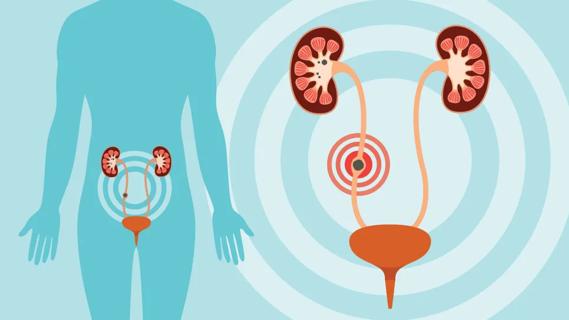
Passing a stone isn’t the same as peeing it out — and it’s not always the end of your symptoms
Advertisement
Cleveland Clinic is a non-profit academic medical center. Advertising on our site helps support our mission. We do not endorse non-Cleveland Clinic products or services. Policy
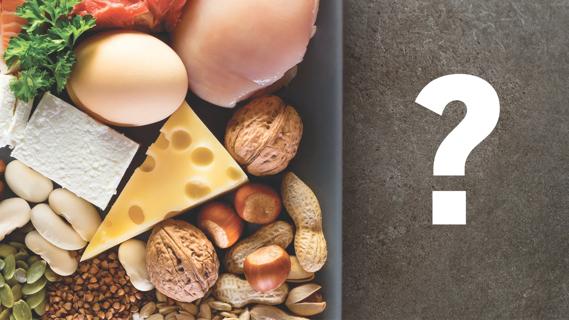
If your kidneys are healthy, an uptick in protein is usually fine, but going overboard can be risky
Dehydration, diet and diabetes are a few possible reasons
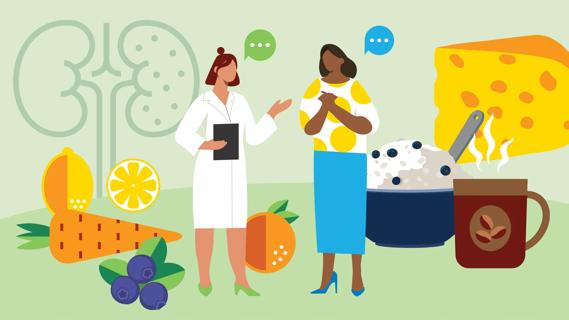
You can limit your risk of kidney stones by hydrating, eating calcium-rich foods, plus fruits and vegetables, and limiting meat, sodium and sugar
Your kidneys don’t necessarily need a special cleanse, but they could benefit from some TLC
Long-term, heavy alcohol use can double your risk of chronic kidney disease

A variety of factors can cause temporary or more lasting changes in penis length
Advertisement
Advertisement