Locations:





If you’ve ever waded through nutrition advice, you know it can be hard to trust what you read. Our registered dietitians and medical experts provide evidence-based information on food safety, diet trends, the health benefits of individual foods, eating plans for chronic conditions and more.
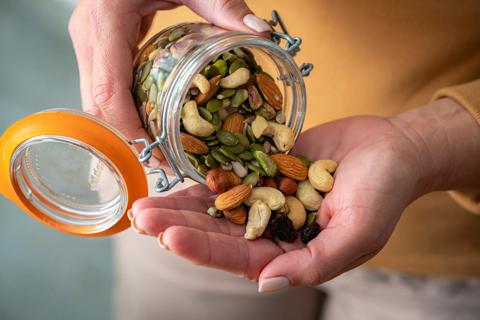
To start, opt for calorie-dense foods that are rich in protein and healthy fats
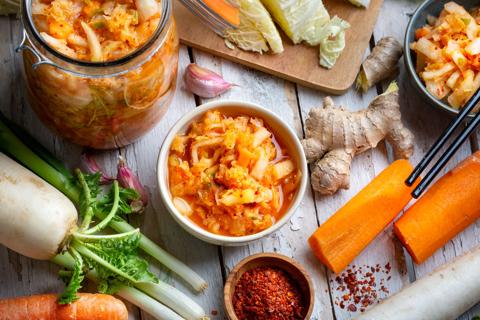
From sauerkraut to kimchi, these foods can help keep your gut healthy

This famously funky-smelling fruit is packed with fiber, vitamins and minerals

This South Pacific plant is often promoted for stress relief and relaxation, but there are a few things you should know before trying it
Advertisement
Cleveland Clinic is a non-profit academic medical center. Advertising on our site helps support our mission. We do not endorse non-Cleveland Clinic products or services. Policy

They’re both essential minerals, but they do different jobs in your body
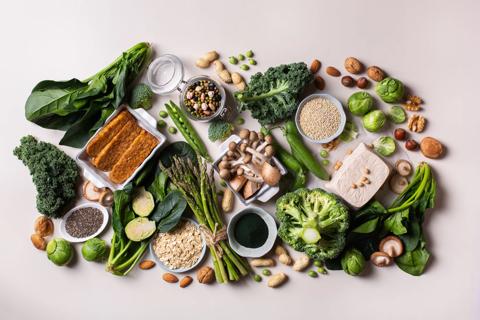
You can get a good amount of protein from eating lentils, beans, tofu, grains, seeds and nuts
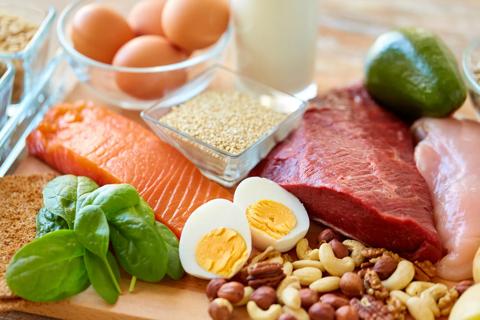
Lean meats, fish, dairy and plant proteins can help you meet your protein needs without piling on saturated fat and sugar
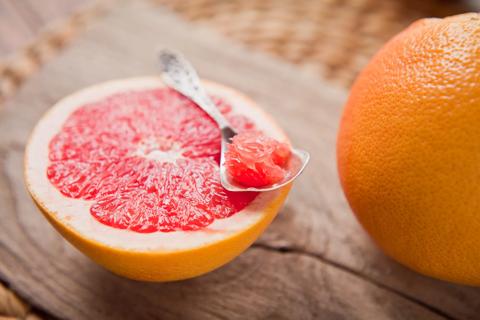
This citrus fruit delivers vitamin C, fiber and other nutrients that can support your heart, immune system and skin
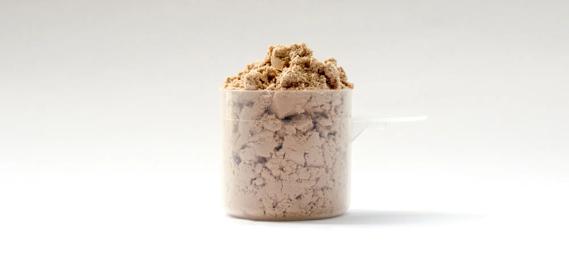
Protein is essential in your diet, but piling more onto your plate isn’t always better

Matcha is one of the most versatile flavors out there — the grade you choose depends on how you want to use it
Advertisement
Advertisement
 Search