Locations:





 Search
Certain supplements, like licorice root and St. John’s wort, can raise your blood pressure or negatively interact with medication
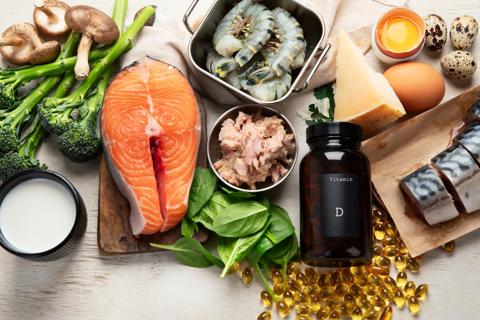
The ‘sunshine vitamin’ is found naturally in some fish and is added to other foods
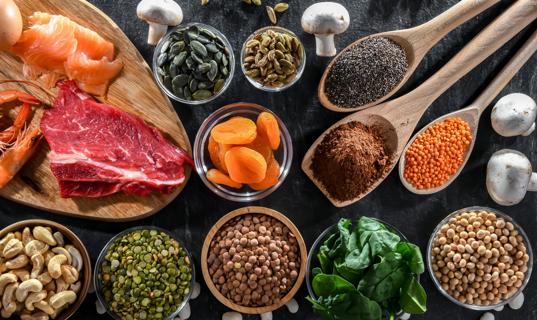
You typically get enough of this essential nutrient through foods you eat, like meats, fish, nuts and beans
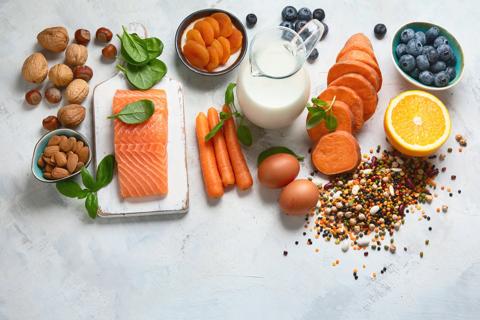
Eat your fill of vitamins C, B6 and E, plus zinc and selenium
Advertisement
Cleveland Clinic is a non-profit academic medical center. Advertising on our site helps support our mission. We do not endorse non-Cleveland Clinic products or services. Policy
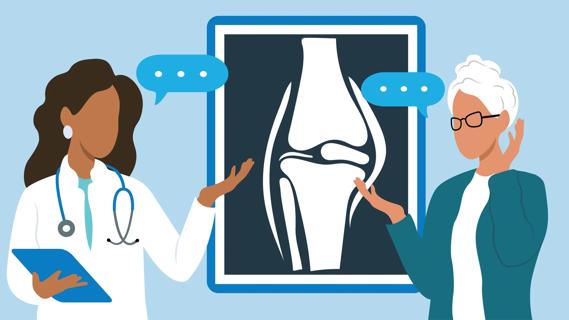
Calcium, vitamin D and magnesium are essential — but you should supplement under doctor’s orders
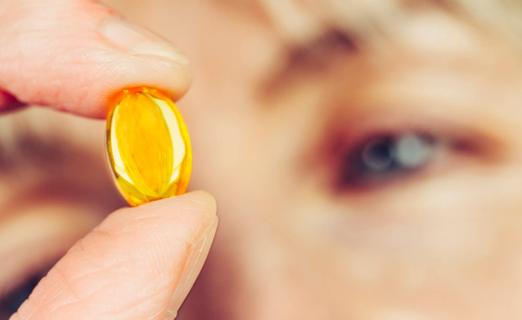
In moderation, vitamins A, C, D, E, B12 and omega-3 fatty acids can improve and maintain your eye health
Over-the-counter pills, powders, extracts and tinctures can interact with other medications and cause unexpected side effects
This vital nutrient supports your health, but its role in COVID-19 prevention and treatment isn’t proven
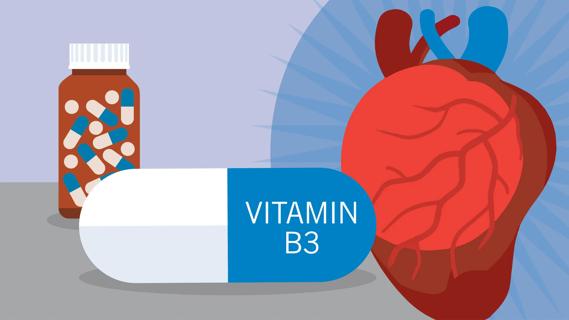
Though it was once used as a cholesterol-lowering medication, niacin is no longer a recommended treatment

Some protein-containing foods are known to be good sources of biotin — but there are also likely other foods that just haven’t been studied yet
Advertisement
Advertisement