Locations:





Certain supplements, like licorice root and St. John’s wort, can raise your blood pressure or negatively interact with medication

Image content: This image is available to view online.
View image online (https://assets.clevelandclinic.org/transform/f3ab9077-ade5-45ac-bd3e-6cd706660a64/blood-pressure-doctor-1344792109)
Person with blood pressure cuff on, having blood pressure read by healthcare provider
If you have high blood pressure (hypertension), you may have been prescribed medication to help manage the condition. And while adding an over-the-counter vitamin or supplement may seem like a good idea, many of them can potentially do more harm than good.
Advertisement
Cleveland Clinic is a non-profit academic medical center. Advertising on our site helps support our mission. We do not endorse non-Cleveland Clinic products or services. Policy
Cardiologist Luke Laffin, MD, explains which vitamins and supplements to avoid with high blood pressure.
Before you start taking any over-the-counter (OTC) vitamins or supplements, Dr. Laffin stresses the importance of talking to your healthcare provider first about how they may interact with your blood pressure medication or worsen your condition. Many supplements may raise your blood pressure, increase your heart rate or make certain medications less effective.
“Supplements aren’t as well-regulated as prescription medications are by the U.S. Food and Drug Administration (FDA),” stresses Dr. Laffin. “That means formulas and ingredients in supplements could be inconsistent. It could have additives that have the potential for adverse effects or interactions with your medicine.”
Some of the vitamins and supplements you should avoid include:
You may have applied arnica, an herb used in traditional medicine, topically to your skin to help with muscle and joint pain.
While it’s typically safe for most people to use topically, you should avoid arnica if you have high blood pressure. It can make your blood pressure medication less effective. And never ingest arnica — it comes with the potential to cause a rapid heartbeat, high blood pressure and even heart damage.
Advertisement
This Chinese medicinal herb may boost your alertness and help strengthen your immune system, but that doesn’t mean it’s a good idea for people with high blood pressure.
“Ginseng is a stimulant, so it may actually increase your sympathetic nervous system and increase your heart rate and blood pressure,” warns Dr. Laffin.
Bitter orange supplements are often used for weight loss or to enhance sports performance. In some cases, people may use it to help relieve nausea or constipation. But when it comes to your blood pressure, the research is mixed.
Some studies show that bitter orange can raise your blood pressure and heart rate, while other studies have conflicting results. Dr. Laffin says it’s best to steer clear of this supplement, as there isn’t enough conclusive research.
A plant native to the Amazon, guarana contains seeds that are known for their high caffeine content. Taking a guarana supplement or consuming energy drinks with guarana can negatively affect your heart health.
“You wouldn’t want to take guarana with high blood pressure,” states Dr. Laffin. “It can increase your heart rate and potentially increase your blood pressure. It’s essentially caffeine on overdrive.”
Licorice root contains a compound known as glycyrrhizin.
“Glycyrrhizin mimics the actions of a hormone in your body called aldosterone,” explains Dr. Laffin. “Aldosterone causes you to hold on to sodium, lose potassium and can increase your blood pressure.”
This herbal supplement may be used to help treat symptoms of depression.
“St John’s wort works through the CYP3A4 system in your liver. It’s responsible for metabolizing medications,” outlines Dr. Laffin. “So, St. John’s wort actually interacts with many medications because a lot of medications work through this system as well.”
Dr. Laffin stresses the importance of being careful when using St. John’s wort, as it can interact not only with antidepressants, but also with cardiovascular medications, like anticoagulation and anti-arrhythmic drugs.
“It doesn’t really have a direct effect on your blood pressure, but it can change the efficacy of drugs,” he adds.
There’s mixed research on whether vitamin E supplements can reduce your blood pressure.
“There’s some data that vitamin E doesn’t lower blood pressure. There’s also data that it may increase the risk of bleeding and particularly hemorrhagic strokes,” confirms Dr. Laffin. “So, it’s best to avoid vitamin E if you have high blood pressure.”
Advertisement
The bark of evergreen trees contains a plant compound known as yohimbe. The ingredient is used in products and supplements for weight loss and sexual performance.
There’s very little research on yohimbe. Reported side effects include increased blood pressure, increased heart rate and even heart attacks.
In most situations, it’s OK to take a multivitamin. But talk to your doctor first.
“Most people don’t need anything beyond a multivitamin. More is not better,” stresses Dr. Laffin. “You should focus on getting the nutrients and vitamins you need through a diet rich in fruits and vegetables.”
As vitamins and supplements aren’t regulated by the FDA, it’s worth having a conversation with your healthcare provider about any you’re thinking of taking. Your doctor can discuss any potential side effects or medication interactions.
“Even if supplements are considered ‘natural,’ that doesn’t necessarily mean they’re safe,” concludes Dr. Laffin.
Advertisement

Sign up for our Health Essentials emails for expert guidance on nutrition, fitness, sleep, skin care and more.
Learn more about our editorial process.
Advertisement

The common household medication isn’t a solution for hypertension — and regular use comes with risks

Foods high in potassium, calcium and vitamins C and E can help lower your blood pressure
Making lifestyle changes can help reduce your blood pressure, but taking cinnamon supplements probably isn’t one of them

Hypertension strains your heart and blood vessels, causing damage that can contribute to heart attacks

Daily stressors can increase BP in the moment, as well as contribute to habits that can feed long-term hypertension
Moderation is best when consuming caffeinated drinks to avoid unhealthy spikes in BP
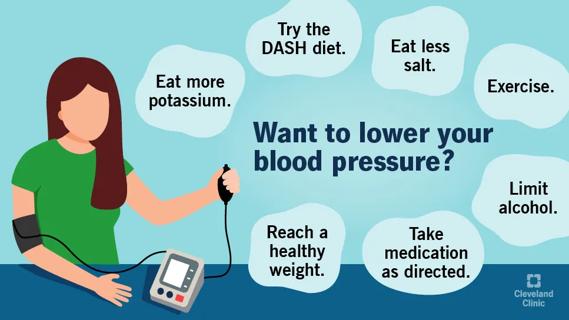
Medication, exercise and diet changes can all help
While not magic elixirs, some drinks like beet juice and skim milk may help keep numbers down

Managing your weight through physical activity may lower your chances of getting this common cancer

It typically starts in October and winds down in early spring, with cases at their highest in the middle of winter

Anxiety disorders, health conditions and past trauma can make driving nerve-wracking — help is available
 Search










