Locations:





Prioritize your health by managing stress, strengthening your social connections and getting quality sleep
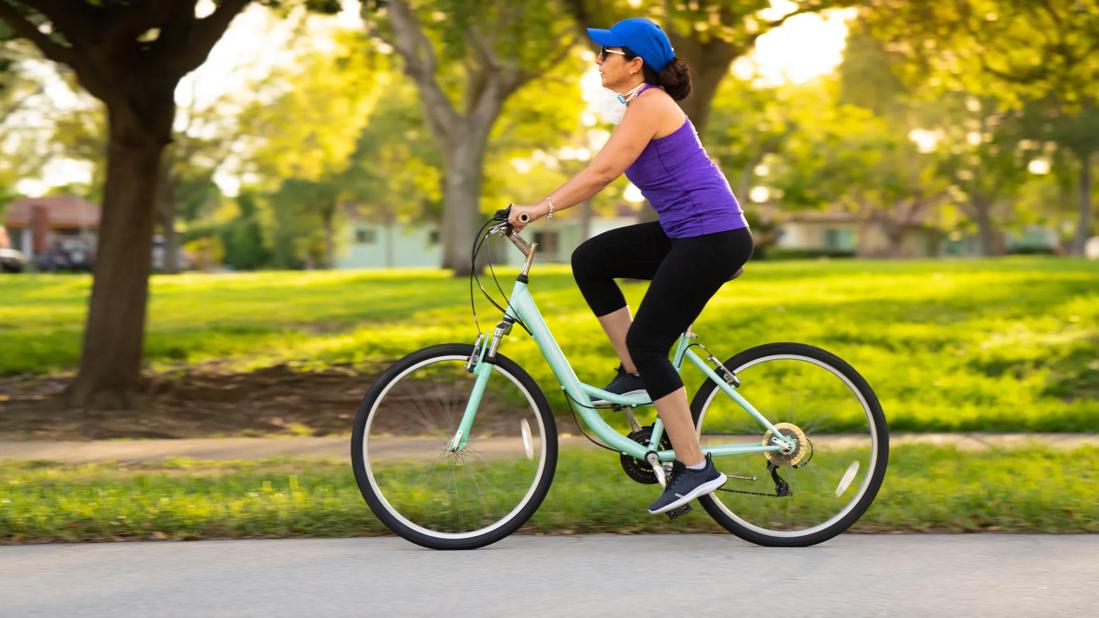
Image content: This image is available to view online.
View image online (https://assets.clevelandclinic.org/transform/9f14fc1e-400f-487d-9052-8cd46f038109/cycling-1225753069)
Person riding bike on pavement outside
Learning you have Type 2 diabetes (T2D) can be overwhelming. And so can learning how to manage the chronic condition — from how to check your blood sugar levels daily to how to make adjustments to the foods you eat.
Advertisement
Cleveland Clinic is a non-profit academic medical center. Advertising on our site helps support our mission. We do not endorse non-Cleveland Clinic products or services. Policy
So, how can you focus on your Type 2 diabetes self-care? Registered dietitian and diabetes educator Nicole Bruno, RD, LD, shares what you can do to ensure you’re taking care of your whole self.
“‘Self-care’ is an overarching term that’s all about prioritizing your health first,” explains Bruno. “Self-care isn’t just about your physical health — it’s also about your mental health.”
Bruno offers the following advice.
Stress affects everyone’s body. But when you have T2D, stress can actually increase your blood sugar.
“Cortisol, a stress hormone, can stimulate your liver to produce a little bit more glucose,” explains Bruno. “When your liver is pumping out that extra sugar in a stress response, and you’re insulin resistant, then that leads to higher blood sugars.”
There are many things you can do to manage or reduce your stress. Bruno suggests figuring out your key stress triggers (for example, an upcoming work presentation or arguing with your partner), and then looking for ways to manage stress around those situations.
Some simple, effective things you can do?
If you’ve ever had trouble falling asleep or getting the recommended seven to nine hours of sleep a night, you know that you can wake up cranky and tired.
Advertisement
“Sleep deprivation or inadequate sleep can result in high blood sugar level (hyperglycemia),” shares Bruno. “Both inadequate and poor-quality sleep have similar symptoms to hyperglycemia, including fatigue and hunger, so it’s important to keep an eye on your blood sugars and try to catch up on rest if you can.”
Also, think about when you’re going to bed.
“Research shows that poor sleep quality is associated with a 40% increased risk of developing Type 2 diabetes,” reports Bruno, “and that those with the evening chronotype (staying up later or waking up later) have higher odds for Type 2 diabetes, independent of sleep duration or quality.”
Even if you’re getting a good seven to nine hours of sleep, try to shift your bedtime schedule to be more appropriate. Going to bed a little bit earlier and waking up a little bit earlier helps align natural circadian rhythms and promotes quality sleep.
Checking your blood sugar throughout the day — sometimes, three to four times — is part of your new normal. And it can feel like a lot to keep track of. But it doesn’t have to be an all-or-nothing approach.
“It’s important to monitor your blood sugar so you know what’s going on in your body,” clarifies Bruno. “If doing so consistently is really difficult for you, start with checking once a day or start with checking it a few times a week, so you can at least get in some sort of habit.”
Bruno also recommends setting alarms and talking with your healthcare provider about the best times each day for you to check.
The foods you eat are key to managing your blood sugar levels. But if the idea of overhauling what you eat is daunting, don’t despair.
“Focus on making small, gradual changes,” recommends Bruno. “Are there ways you can start incorporating more fruits, vegetables, whole grains and lean proteins? Start by looking at what you currently eat and see which types of food you might be missing.”
The goal is to build a balanced meal that has:
Another way to make sure you’re eating a well-balanced diet is by meal planning and even keeping a food journal to give you an accurate picture.
“You want to aim for three meals a day, with four to five hours between those meals. Meal planning can help with this,” she adds. “And using some kind of food journal can help keep you accountable and more likely to stick with your nutrition goals.”
Another important part of your self-care journey? Exercise.
“Exercise releases endorphins. Endorphins are your feel-good hormone,” says Bruno. “So, not only do you feel better, but exercise also lowers blood sugars.”
Advertisement
If you’re not sure where to begin, Bruno offers the following advice:
And when it comes to what type of exercise counts, activities like running, biking, swimming and yoga can be great choices. But don’t overlook other tasks you might perform throughout your day.
“All movement counts. It could be walking your dog. It could be going to the grocery store more often and not doing store pickup,” illustrates Bruno. “It could be parking a little bit farther away when you go somewhere, so you’re getting some extra steps.”
Talk to someone about how you’re feeling and any stress you’re trying to manage. In addition to turning to your friends and family for support, consider joining a support group.
Advertisement
“Social connections are going to be great for support, whether it’s a diabetes support group or even just having a family member or a friend you can talk to,” emphasizes Bruno. “When you isolate yourself, it’s easier to ignore a problem or how you’re feeling.”
The American Diabetes Association can be a good resource for finding a support group and additional resources.
Having a good support system can help you stick with your goals and focus on taking care of yourself. And if you’re overwhelmed by stress and anxiety, Bruno says talking to a mental health specialist can help you develop coping skills and techniques to manage your Type 2 diabetes.
It may seem daunting to have so many appointments with your primary care doctor, your endocrinologist or even a cardiologist.
Bruno offers a few ways you can stay organized before and after appointments:
As you get more comfortable with managing your T2D, don’t forget to focus on yourself. Self-care habits can improve not only your mood, but also your overall health.
Advertisement
“Prioritizing your self-care comes down to habits — and what we do every single day,” concludes Bruno. “But people get busy, and life happens. Be kind to yourself and make sure you’re focusing on building self-care habits that you can stick with.”

Sign up for our Health Essentials emails for expert guidance on nutrition, fitness, sleep, skin care and more.
Learn more about our editorial process.
Advertisement

Fiber slows down digestion, helping prevent blood sugar spikes

Remission is possible for Type 2 diabetes, but it requires significant, sustained changes to your health

Avoiding outside messaging may be difficult, but you can change how you think about T2D

Track your blood sugar levels and pay attention to any symptoms, like feeling thirstier than normal

Keto can reduce blood sugar, but that doesn’t mean it’s right for everyone

Opt for foods that have a mix of protein, fiber and healthy fats

Pack extra medication and supplies, bring healthy snacks and set reminders

Use the ‘plate method’ to create a meal with non-starchy vegetables, lean proteins and carbs

Managing your weight through physical activity may lower your chances of getting this common cancer

It typically starts in October and winds down in early spring, with cases at their highest in the middle of winter

Anxiety disorders, health conditions and past trauma can make driving nerve-wracking — help is available
 Search










