Locations:





Track your blood sugar levels and pay attention to any symptoms, like feeling thirstier than normal
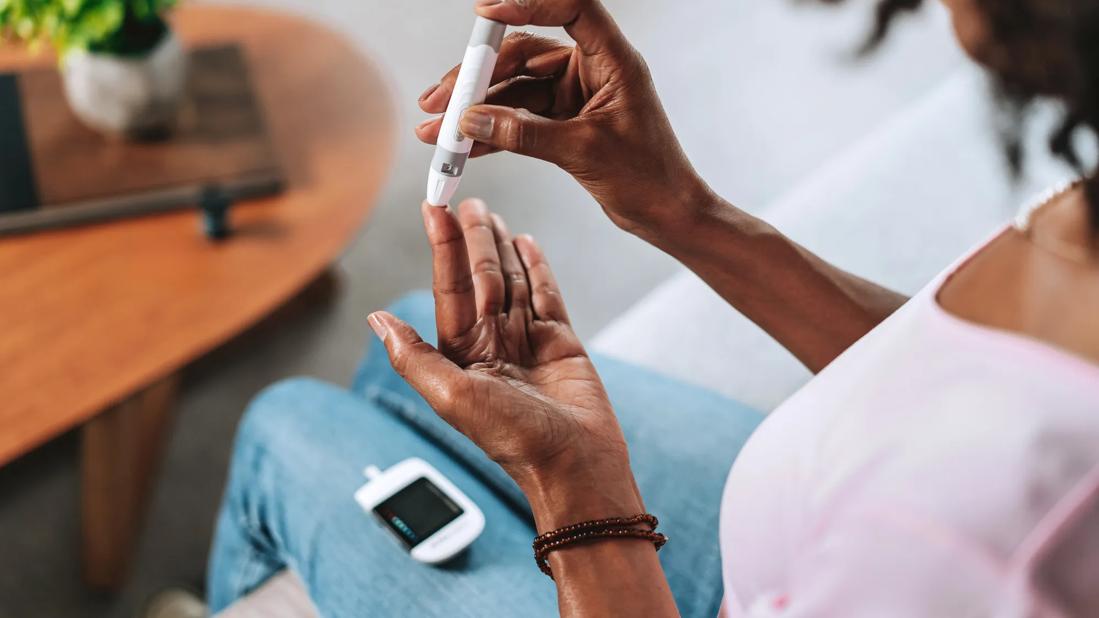
Image content: This image is available to view online.
View image online (https://assets.clevelandclinic.org/transform/5b028ad8-069f-47a9-9e52-f1ceb7d3cf02/monitoring-glucose-2254395524)
Person pricking their finger for a blood glucose test
If you have Type 2 diabetes (T2D), you may need to take insulin or other medications, like metformin or GLP-1s, to help manage your blood sugar (glucose). Monitoring your blood sugar levels, getting regular A1C tests and paying attention to any symptoms can help your healthcare provider know if your treatment is working.
Advertisement
Cleveland Clinic is a non-profit academic medical center. Advertising on our site helps support our mission. We do not endorse non-Cleveland Clinic products or services. Policy
Registered dietitian and diabetes educator Nicole Bruno, RD, LD, shares how you can know if your Type 2 diabetes treatment is working.
Type 2 diabetes can be unpredictable, and it can affect your body differently as you age. Add in things like stress, illness and hormonal changes, and your current treatment might not work as well down the line.
How do you know if your treatment is working? Bruno outlines the positive signs your treatment is doing its job.
Monitoring your blood sugar levels with a blood glucose meter or continuous glucose monitor (CGM) is one of the most important ways to know if your treatment is working.
What kind of blood glucose range is OK? Bruno recommends:
“Your target ranges may be different based on your age and other comorbidities, like high blood pressure, obesity or kidney disease,” clarifies Bruno. “Your primary care doctor or endocrinologist can determine what goals are right for you.”
When you track your numbers, you want to look for patterns, she adds. Any shifts may indicate your treatment isn’t working.
“If your blood sugar is greater than 150 mg/dL for a week or you have two readings in a row that are greater than 300 mg/dL, you should notify your doctor right away and see if you need to make any adjustments to your treatment plan,” advises Bruno.
Advertisement
Your A1C number is determined by a blood test that measures the average amount of glucose that’s been attached to your hemoglobin. It’s a test that’s typically done at least once a year, but it can give your healthcare provider a lot of insight into whether your treatments may be working.
“Your A1C is a three-month average of your blood sugars,” explains Bruno. “The test determines if any adjustment to your treatment plan needs to be made.”
Your A1C number will be reported as a percentage. Ideally, you want to be below 7%. If your number isn’t improving, your doctor may adjust your medication.
When your T2D treatment is working, you may notice you have more energy and generally feel better.
“Once you start your Type 2 diabetes treatment, you should see an improvement in how you feel relatively quickly,” shares Bruno. “Some medications, like oral medications, might take a little bit of time. But insulin works pretty quickly. Depending on the type of insulin, you should begin to see improvements in your blood sugar within the first 24 hours to a couple of days.”
If your treatment isn’t working at its best, you may start to notice symptoms of hyperglycemia (high blood sugar), like:
“Anytime you have symptoms like this, I always recommend going to your doctor and getting things checked out,” she stresses.
Life happens, and sometimes certain things can impact your Type 2 diabetes, such as:
“For example, if you come down with a cold or the flu, you might see elevated blood sugars,” illustrates Bruno. “If you’re seeing elevated blood sugars consistently for a few days, talk to your doctor to see if there’s something they can do to temporarily keep your blood sugars closer to your target ranges.”
It’s not always a given that your current Type 2 diabetes treatment will work seamlessly. In fact, it’s pretty common that your doctor may need to make tweaks or adjustments along the way.
Monitoring your blood glucose daily and getting an A1C test at least once a year can give you and your healthcare provider insight into how your body is responding to medication or insulin.
And if your treatment needs to change, trust that it’s part of the process.
“I often see people who have been on a treatment plan for a while, and it’s just simply not working anymore. They feel bad that they’re doing something wrong,” shares Bruno. “But as you age, your Type 2 diabetes progresses, so it’s not unusual if we need to make changes or adjustments to how you manage it.”
Advertisement
Advertisement

Sign up for our Health Essentials emails for expert guidance on nutrition, fitness, sleep, skin care and more.
Learn more about our editorial process.
Advertisement

Fiber slows down digestion, helping prevent blood sugar spikes

Remission is possible for Type 2 diabetes, but it requires significant, sustained changes to your health

Avoiding outside messaging may be difficult, but you can change how you think about T2D

Prioritize your health by managing stress, strengthening your social connections and getting quality sleep

Keto can reduce blood sugar, but that doesn’t mean it’s right for everyone

Opt for foods that have a mix of protein, fiber and healthy fats

Pack extra medication and supplies, bring healthy snacks and set reminders

Use the ‘plate method’ to create a meal with non-starchy vegetables, lean proteins and carbs

Managing your weight through physical activity may lower your chances of getting this common cancer

It typically starts in October and winds down in early spring, with cases at their highest in the middle of winter

Anxiety disorders, health conditions and past trauma can make driving nerve-wracking — help is available
 Search










