Locations:
Search IconSearch
February 24, 2026/Living Healthy/Primary Care

Here’s How To Prevent Cold Stress

Dressing in multiple layers, drinking warm liquids and taking breaks indoors can help prevent these cold-weather injuries
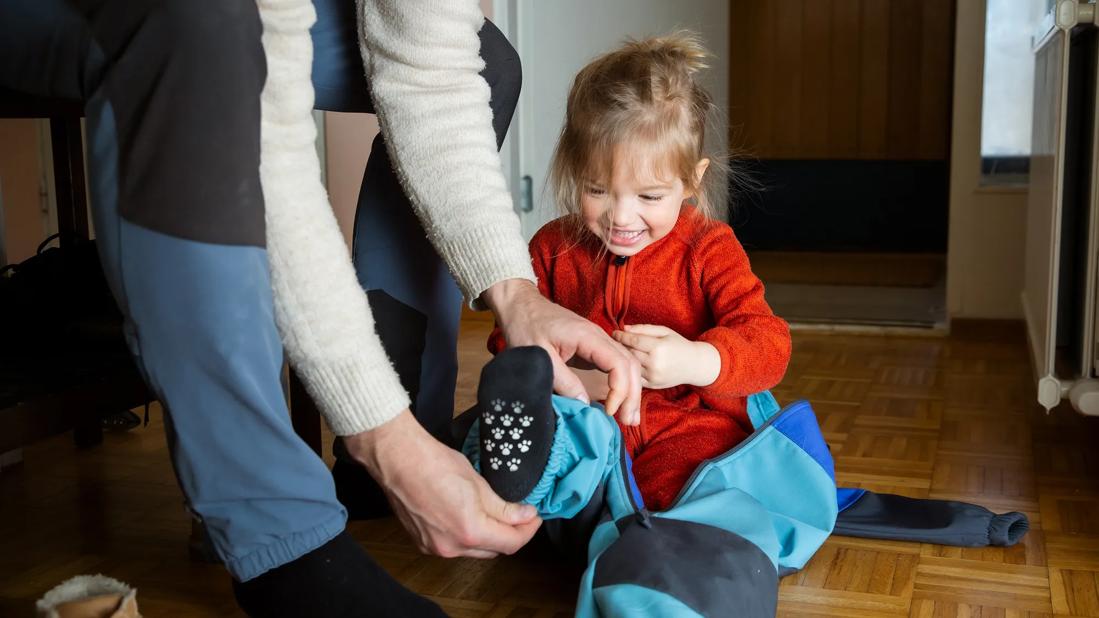
Caregiver helping happy child put on snow pants

Spending a prolonged period in bone-chillingly cold weather isn’t just unpleasant. It can also pose serious risks to your health. Understanding the dangers of cold stress — and knowing how to protect yourself against it — can save lives.

Advertisement

Cleveland Clinic is a non-profit academic medical center. Advertising on our site helps support our mission. We do not endorse non-Cleveland Clinic products or services. Policy

Family medicine physician Neha Vyas, MD, breaks down the types of cold-weather injuries that qualify as “cold stress,” how to tell when they’re happening and how to prevent them.

What is cold stress?

The term “cold stress” describes the health impact prolonged exposure to cold weather can have. All of the possible conditions you could develop happen because your body can’t maintain its normal temperature. In other words, you’re losing heat faster than you can replace it.

There are four main conditions that fall under the “cold stress” umbrella:

  • Hypothermia: This is the most dangerous type of cold stress. It happens when your body temperature drops below 95 degrees Fahrenheit (35 degrees Celsius). If it isn’t treated within minutes or hours, your organs — especially your heart and brain — will fail.
  • Frostbite: This condition involves skin (and the underlying tissue) freezing in temperatures under 32 F (0 C). “Frostbite can cause permanent nerve and tissue damage, paralysis or amputation,” Dr. Vyas explains. “If that damaged tissue gets infected, it can even be lethal.”
  • Trench foot: This foot injury typically occurs in wet conditions where the temperature is just above freezing. “Trench foot can cause significant pain, but with proper treatment, lasting damage is unlikely.” Dr. Vyas says.
  • Chilblains: These are painful, swollen patches of skin that develop on your fingers or toes. Like trench foot, chilblains aren’t as severe as hypothermia or frostbite. But they can still cause significant discomfort in the short term.

Advertisement

Dr. Vyas points out that you can have several of these conditions at the same time, especially if — in addition to extreme cold — you’re also facing wet, windy conditions.

Cold stress can happen to anyone. But your risk is higher if you:

  • Work or exercise outside
  • Don’t have a warm, insulated place to stay or take breaks
  • Don’t have adequate winter clothing
  • Are under the influence of drugs or alcohol
  • Take medications that make you sleepy or make it hard to think

Your age and medical history can also raise your risk of cold stress. Infants, children and people 65 and older lose heat more quickly, making them more susceptible to cold weather injuries. Cold stress is also more likely to cause severe damage or complications if you have:

  • A physical disability, especially if it affects your mobility
  • Lower body fat levels
  • Cardiovascular disease or issues with blood circulation
  • Diabetes, especially if you have peripheral neuropathy or vision problems
  • A mental health condition
  • A compromised immune system
  • A nervous system disorder, like Raynaud’s disease

Signs of cold stress

Each type of cold stress comes with its own list of symptoms, but they also have a good bit in common. You may be experiencing cold stress if you notice:

  • Sensations in your limbs: You have pain, numbness, burning, stinging, tingling or itching in one or more extremities
  • Skin changes: Your skin is pale, hard, waxy, discolored, tight, swollen, blistered or cracked
  • Physiological reflexes: You’re shivering uncontrollably, your teeth are chattering, you have goosebumps, your heart rate slows or your breathing becomes rapid and shallow
  • Restricted movement: You feel weak, your joints are stiff and your movements are uncoordinated
  • Neurological changes: You’re feeling confused, drowsy or you’re slurring your speech

These are all signs that you need to get help and — gradually — get warm.

Prevention

Protecting yourself against cold stress is all about preparation and awareness.

“It’s always better to err on the side of caution when dealing with extreme cold temperatures,” Dr. Vyas advises. So, be proactive, pay close attention to your body and trust your gut.

Stay warm and safe in extreme weather conditions by:

  • Dressing for the weather: Wear multiple loose-fitting layers — including a waterproof top layer — for the best insulation. And cover areas that are usually exposed. Hats, gloves, thick socks, balaclavas, scarves and waterproof winter boots can all help protect against cold stress.
  • Limiting time outdoors: In frigid conditions, it’s best to restrict time outdoors to 15 to 30 minutes at most. And take frequent indoor breaks. In temperatures (or windchill) below -20 F (-28.9 C), spending more than a few minutes outdoors puts you at risk of cold stress.
  • Having warm drinks on hand: Fill an insulated thermos with hot coffee or tea. Sip it to warm yourself from the inside.
  • Staying dry: Cold stress happens faster in wet conditions. If you can’t avoid the snow, sleet or ice, bring towels and a change of clothes (including hats, socks, scarves and gloves) with you.
  • Using hot packs and other warming devices: Electric hand and foot warmers, space heaters, thermal blankets and heated clothing are just a few options that Dr. Vyas says can help you keep your body temperature up.

Advertisement

“Staying vigilant is key during severe weather,” Dr. Vyas stresses. “Whenever possible, don’t go out into dangerously cold temperatures by yourself. In a group, you can monitor each other for symptoms of cold stress and provide help, if needed.”

Treatment

How you treat cold stress depends on the type and severity. Hypothermia and frostbite threaten life and limb. Always treat them as a medical emergency.

“They need immediate medical attention to prevent severe complications or death,” Dr. Vyas stresses. “Early recognition and prompt treatment make a big difference.”

Trench foot and chilblains can cause temporary disability but, properly treated, are unlikely to do permanent damage to your feet. Still, it’s important to have a healthcare provider check them out.

Despite their differences, there are some general principles to keep in mind when treating all four types of cold stress:

  • Get to a warm place as soon as possible. Once you’re there, remove any clothing that’s damp.
  • Get medical attention. If you suspect hypothermia or frostbite, contact 911 or local emergency services immediately. For less severe cold-weather injuries, call your primary care provider or a local urgent care. They can help you decide what to do next.
  • Warm up slowly. Applying intense heat to chilled or frozen skin can cause burns. Instead, use blankets, warm compresses and warm beverages to slowly raise your core temperature.
  • Protect your skin. You may be tempted to warm your skin by rubbing it, but Dr. Vyas warns that it could make skin damage worse.
  • Stay hydrated. Dehydration can affect your body’s ability to regulate temperature. Replacing lost fluids increases your blood volume and boosts circulation.

Advertisement

Final thoughts

Cold stress is a serious medical issue that can affect anyone exposed to extreme cold for too long. Take precautions, prioritize frequent breaks, and keep an eye out for symptoms in yourself and others. Being alert and proactive about cold weather safety will make navigating winter conditions safer and more enjoyable.

Advertisement

Cleveland Clinic icon
Health Essentials logo
Subscription icon

Better health starts here

Sign up for our Health Essentials emails for expert guidance on nutrition, fitness, sleep, skin care and more.

Learn more about our editorial process.

Related Articles

Person shoveling snow, with snow plow truck in the background and a large red shovel in the snow in foreground
February 18, 2026/Heart Health
How Shoveling Snow Can Trigger a Heart Attack

Exerting yourself in cold temperatures increases your risk of a cardiac event
Caregiver setting a humidfier is child's bedroom, with child in bed and cat sleeping on the floor
January 10, 2025/Lung
4 Ways a Humidifier Can Improve Your Health

Used correctly, a humidifier can help with nose bleeds, allergies, dry skin, sleep quality and more
Person shoveling snow
March 14, 2024/Primary Care
Shoveling Snow? Tips To Prevent Back Injury or Pain

Stretch before heading outside, keep proper form and avoid jerking or twisting to throw snow
two kids eating snow outside
March 6, 2024/Nutrition
Is It Safe To Eat Snow?

If the flakes are undisturbed, pristine white and come from the top layer, it’s typically safe to indulge in a scoop

Person blowing snow off of gloved hands while outside during cold winter weather.
December 14, 2022/Primary Care
Braving the Elements: Tips To Stay Safe Outdoors This Winter

Bottom line? Dress warm, be careful and plan ahead to get the most out of the season

Person working from home, sitting on an exercise ball.
December 8, 2022/Primary Care
10 Steps for Staying Healthy This Winter

Sneak in exercise when you can, pack your own lunch and make time for mental health

Person walking in winter boots on a path that has been shoveled or cleared.
December 1, 2022/Primary Care
How To Walk in Snow and Avoid Winter Hazards

Taking slow, short steps and wearing proper footwear can go a long way in preventing falls

Laughing people participating in a snowball fight
November 18, 2022/Wellness
9 Tips To Stay Healthy During the Long, Cold Winter Months

With planning and precautions, you may be able to keep winter health issues at bay

Trending Topics

Beef tallow in jar on counter, with spatula
Beef Tallow for Skin: Is It Useful?

Although it could be used as a moisturizer, this new trend is not recommended

Person holding a giant pencil, drawing a boundary line between two cliffs
How To Set Healthy Boundaries

Communicating clear limits helps protect your time, energy and emotional well-being

Older man with hand on chest while talking with healthcare provider in exam room
What To Know About High Cholesterol That Runs in the Family

High cholesterol can be genetic, but testing and treatment can lower your heart disease risk

Ad