Locations:






If you don’t have other symptoms, try using relaxation techniques and vagal maneuvers to calm your heart down
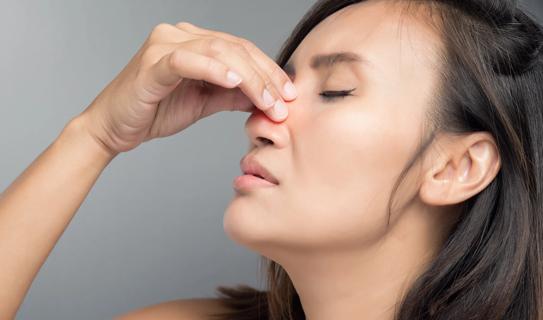
Avoid irritants and allergens, run a humidifier, try saline rinses and ask a healthcare provider about medications
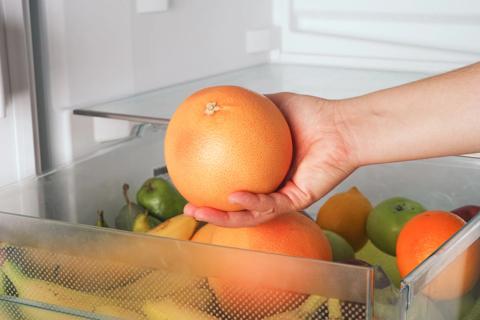
Grapefruit contains natural chemical compounds that can interfere with certain medications when it’s consumed in large amounts

All heart valve diseases affect your heart’s valves, but there are some differences between symptoms, risk factors and how they can impact your health
Advertisement
Cleveland Clinic is a non-profit academic medical center. Advertising on our site helps support our mission. We do not endorse non-Cleveland Clinic products or services. Policy

Moderate-intensity exercise, like walking, cycling and swimming, is typically recommended

The heart condition can advance at different rates, and typically can be classified as mild, moderate or severe
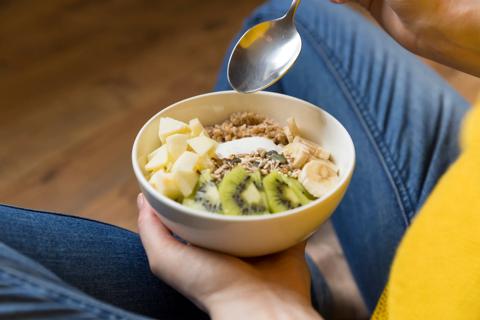
Your body naturally produces the protein that’s essential for breaking down and digesting food

At a minimum, in the morning, apply a cleanser, followed by a moisturizer and sunscreen, in that order
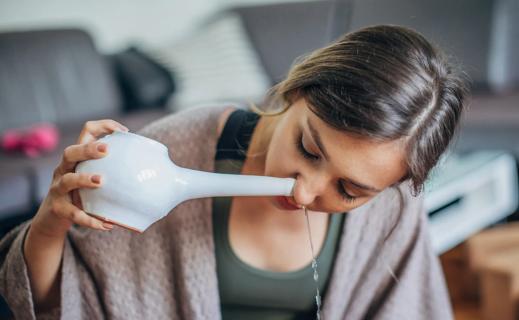
Neti pots can be useful for sinus pressure relief and removing excess mucus

Adjusting your diet to focus on plant-based, whole foods may improve erectile function
Advertisement
Advertisement
 Search