Locations:





 Search
Your chronotype reflects when your body naturally wants to sleep and wake — and why your energy peaks when it does
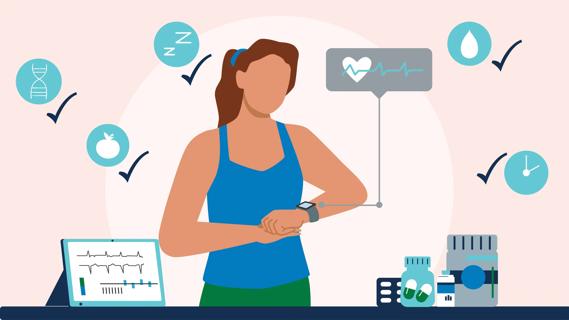
Practices range from simple lifestyle changes to extreme experiments — and not all approaches come with the same level of risk
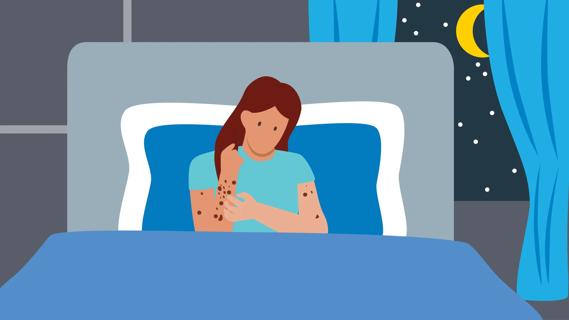
Address your nighttime itching with moisturizers, topical anti-inflammatories, and changes to your bedtime routine and environment
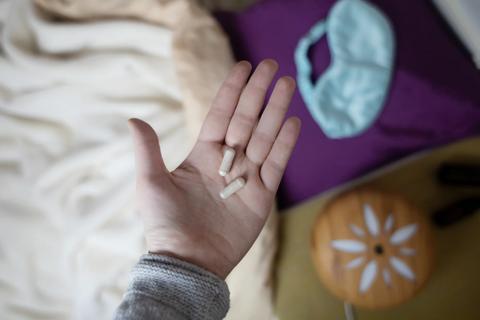
There isn’t clear evidence that melatonin harms your heart — but finding the cause of sleep issues is key to long-term heart health
Advertisement
Cleveland Clinic is a non-profit academic medical center. Advertising on our site helps support our mission. We do not endorse non-Cleveland Clinic products or services. Policy

The term refers to how long it takes you to fall asleep, which can be a key factor in overall sleep quality

Both conditions cause excessive daytime sleepiness, but they have different symptoms
Habits that support quality sleep, regular exercise, balanced nutrition and stress management can all help

Sleep masks can help you create total darkness so you can sleep better
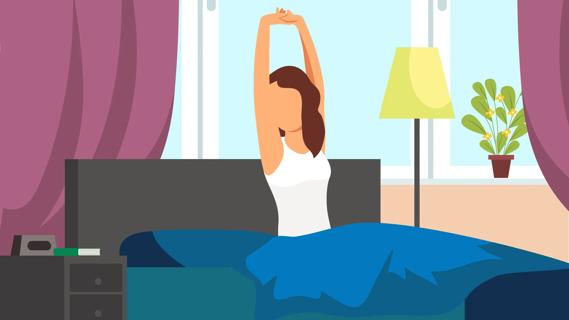
Sleep disorders, mental health conditions and other health concerns can all affect the quality of your sleep
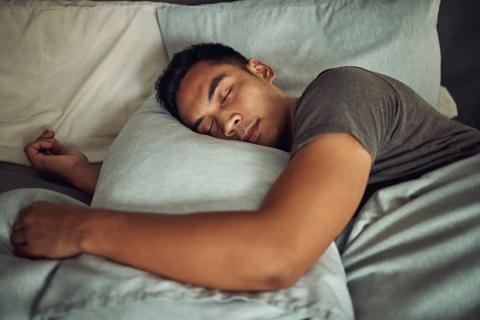
Most people fall asleep within 10 to 20 minutes, but if your experience is different, adjusting your sleep schedule may help
Advertisement
Advertisement