Locations:





This herb may calm anxiety, reduce bloating, help you sleep and boost your mood
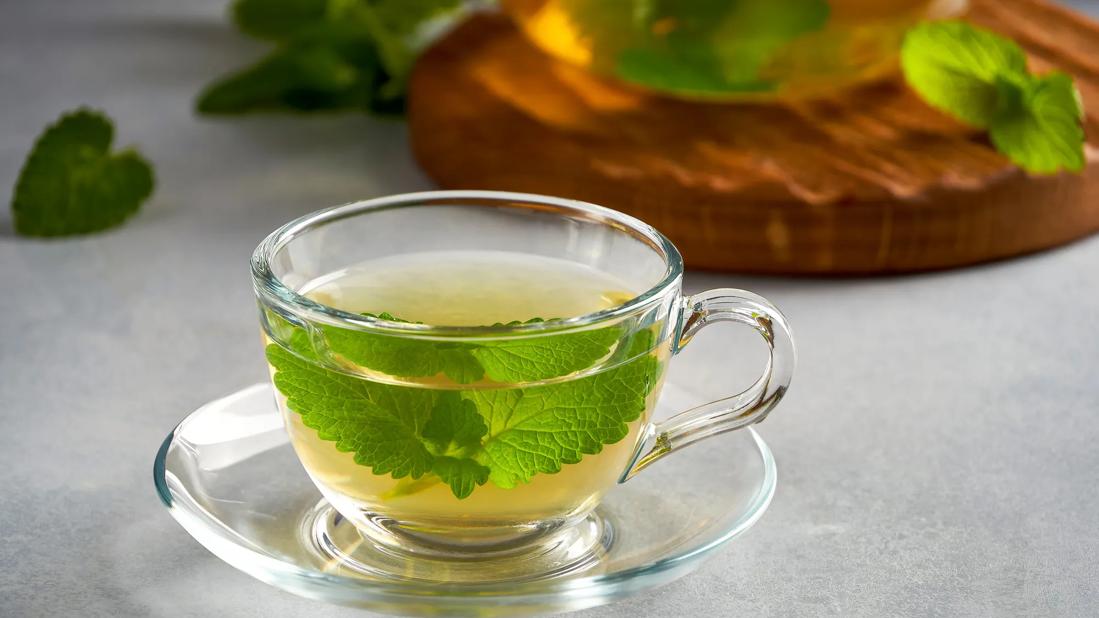
Image content: This image is available to view online.
View image online (https://assets.clevelandclinic.org/transform/03073149-20f0-40f8-a6ff-27ae2aac0c37/lemon-balm-tea-1247760466)
Glass mug of lemon balm tea with fresh lemon balm herb
It’s a leafy, perennial shrub that resembles a mint plant, but you’ll smell lemons — not mint — if you rub its leaves. It’s lemon balm, and herbalists have used it for centuries to treat various ailments.
Advertisement
Cleveland Clinic is a non-profit academic medical center. Advertising on our site helps support our mission. We do not endorse non-Cleveland Clinic products or services. Policy
Internal medicine physician Manjaree Daw, MD, explains the potential benefits of lemon balm and how to use it safely.
Lemon balm, or Melissa officinalis, is a member of the mint family of plants that originated in the Mediterranean basin, south-central Europe and Central Asia. Today, you can find lemon balm growing across the world. Its leaves and extracts are used in many types of supplements, which can be found on the shelves of pharmacies and health food stores.
“Many herbal products contain lemon balm,” says Dr. Daw. “People take the herb in capsules, use the dried leaves to make tea or apply the diluted essential oil to their skin.”
Lemon balm is known for its soothing benefits for the brain and body, and has antiviral and anti-inflammatory properties. Its possible health benefits include:
If you’re bloated or your gut feels unsettled, lemon balm could be a helpful remedy. Some research suggests that the herb can help calm spasms or colic in your gastrointestinal (GI) tract, relieving mild tummy troubles.
“Many over-the-counter herbal digestive remedies contain lemon balm,” notes Dr. Daw. “These products can bring relief from occasional gas or indigestion. Often, these remedies also contain ginger, mint and other herbs, so check the ingredients to know what you’re actually ingesting.
Advertisement
If you have ongoing digestive issues like abdominal pain or acid reflux, don’t rely on lemon balm to solve the problem.
“See your physician to find out the causes of any chronic GI issues so you can get treatment if needed,” Dr. Daw advises.
Who couldn’t use a little pick-me-up when you feel sluggish or have trouble concentrating? Put down the coffee and try some lemon balm instead.
A small human study found that lemon balm improved mood and cognitive (thinking) ability. The participants consumed a lemon balm extract and then completed different tasks on a computer, such as memory and math problems.
“This herb may show promise as a cognitive enhancer, but we need more studies to determine how it works,” clarifies Dr. Daw. “For now, try drinking a cup of lemon balm tea when you need to focus and see if it helps.”
One of the best-known effects of lemon balm is its ability to combat stress and anxiety. A lab study suggests that taking lemon balm extract can increase levels of gamma-aminobutyric acid (GABA), a neurotransmitter (brain chemical) that has a calming effect. The brain function study also found that participants who drank the lemon balm extract reported higher levels of feeling calm and at ease.
“If you have mild anxiety or are dealing with a stressful situation, lemon balm may provide some relief,” says Dr. Daw. “However, herbs are not a comprehensive or long-term treatment for serious anxiety or chronic stress. Your physician can help you find ways to manage these issues, including stress management techniques, counseling or prescription medications.”
Depression affects millions of people — and many look to “natural” remedies before trying prescription medications. While lemon balm isn’t a depression cure, it might help with mild cases.
Research suggests that lemon balm may help improve symptoms of depression, compared to a placebo. It might also boost serotonin, a neurotransmitter you need for mood regulation.
“A non-human study found that lemon balm extract increased serotonin levels,” shares Dr. Daw. “Combining this herb with other remedies, like mood-boosting foods and regular exercise, could help with mild depression.”
But if you have more severe symptoms that are interfering with your life, seek medical care.
“Depression is a potentially serious disease and natural remedies aren’t always enough,” she adds.
Cold sores love to crop up at inconvenient times (like right before an important event). And you might be able to get rid of that cold sore faster with a bit of help from lemon balm.
Advertisement
“A study found that lemon balm has antiviral activity that can inhibit the Herpes simplex virus,” says Dr. Daw. “Another study found that applying a cream that contained lemon balm cleared up cold sores faster than a placebo. And there’s also evidence that lemon balm has anti-inflammatory properties, which could help soothe skin.”
If you try this remedy, dilute the essential oil with a carrier oil, like sweet almond or coconut oil.
“Applying a full-strength essential oil to your skin can cause irritation, making the skin problem worse,” she warns.
Who can sleep when worries and stress are keeping you up? A steaming cup of lemon balm tea might be what you need. A study suggests the herb’s anti-anxiety effects could help you catch some ZZZs.
“If you have occasional insomnia due to mild anxiety, lemon balm could be helpful,” says Dr. Daw. “And you may not experience next-day grogginess like you can with some sleeping pills.”
Still, she cautions that anxiety and sleep disorders can be complex — and herbs may not be the cure.
“Talk to your physician if you consistently struggle to sleep,” she advises. “They can help you determine the best way to get the sleep you need.”
If you take pills or capsules with lemon balm, follow the directions on the package for dosage. With lemon balm tea, one or two cups per day is likely safe.
Advertisement
“As with any herb, don’t take more than directed on the package,” Dr. Daw instructs. “And talk to your physician before taking herbs if you have any health conditions or take medications.”
There are no studies that address the safety of long-term lemon balm use.
“If you have a mild health issue that’s not getting better after a week or two, stop taking the herb and see your physician,” states Dr. Daw.
Some people may experience side effects from lemon balm, such as headache, dizziness or upset stomach.
“Herbs can be just as powerful as medications and cause unwanted side effects,” she adds. “It’s best to talk with a healthcare practitioner before taking any supplements. They can help you sort out what’s safe and effective based on your individual health needs.”
Advertisement

Sign up for our Health Essentials emails for expert guidance on nutrition, fitness, sleep, skin care and more.
Learn more about our editorial process.
Advertisement

This South Pacific plant is often promoted for stress relief and relaxation, but there are a few things you should know before trying it
The compound that gives chili peppers their kick may support your health — and even help relieve certain types of pain
Collagen peptide supplements may support your skin, joints and bones — but there’s no guarantee
This naturally occurring nutrient supports energy and heart health, but supplements aren’t necessary for everyone

They claim to boost energy and improve longevity, but there’s currently not enough research to confirm these benefits
Properly prepared, elderberries can be a safe and healthy part of a balanced diet — just steer clear of supplements
Science doesn’t support most claims about this bee byproduct, and supplements have potential risks
Until there’s more research on it, this plant’s greatest claim to fame is its deliciousness

Managing your weight through physical activity may lower your chances of getting this common cancer

It typically starts in October and winds down in early spring, with cases at their highest in the middle of winter

Anxiety disorders, health conditions and past trauma can make driving nerve-wracking — help is available
 Search










