Locations:





Your eyes are unique. And they speak volumes about your health. Whether you’re dealing with common vision concerns, living with an eye disease, or trying to preserve your sight as you age, our optometrists, ophthalmologists and other specialists have the information and guidance you need.

The sun’s sneaky rays can cause temporary eye damage or raise your risk for future problems
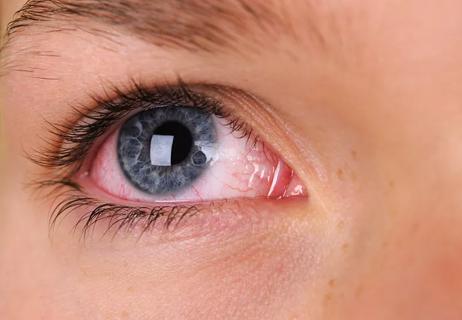
Red eyes can happen for many reasons, from allergies and dry eye to pink eye and other infections

Over-the-counter reading glasses can work well for many people, but they’re not the best choice for everyone
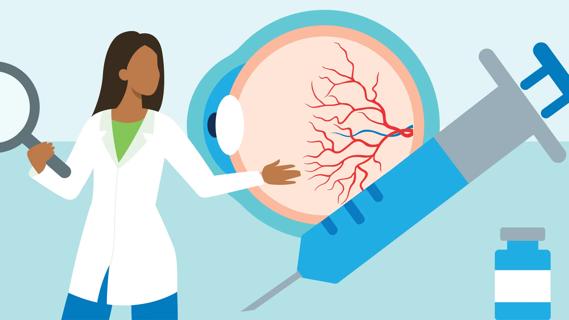
Izervay and Syfovre are long-term medications that can slow down the disease
Advertisement
Cleveland Clinic is a non-profit academic medical center. Advertising on our site helps support our mission. We do not endorse non-Cleveland Clinic products or services. Policy
These supplements are full of vitamins and minerals that benefit eye health
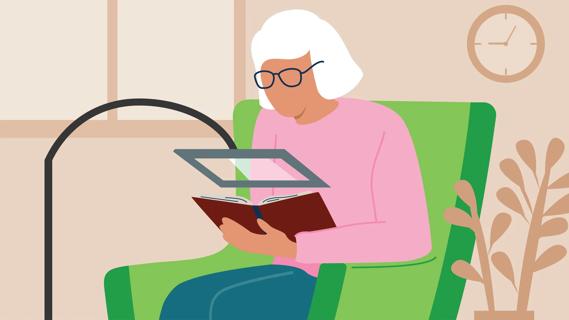
A low-vision occupational therapist can help you learn new ways of doing things so you can maintain your independence
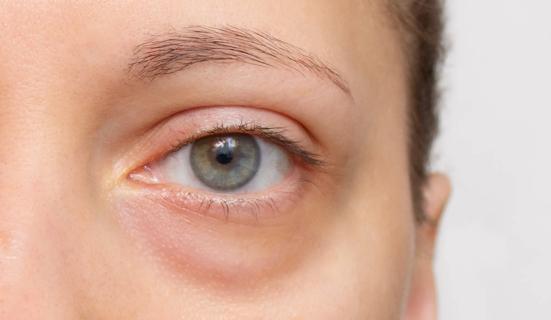
Applying a cold compress, using antihistamine eye drops and limiting salt can help reduce puffiness
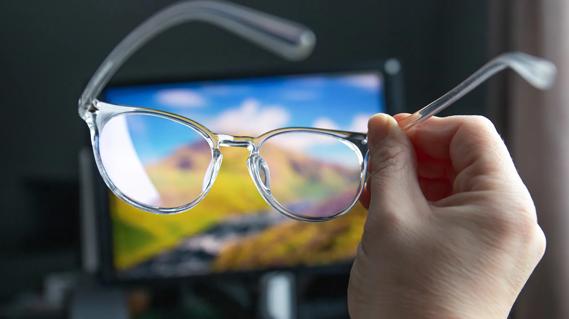
Blue light-filtering glasses may help some people sleep better, but they don’t prevent eye strain and aren’t needed for eye health

UV protection blocks harmful rays to protect your eyes and the skin around them
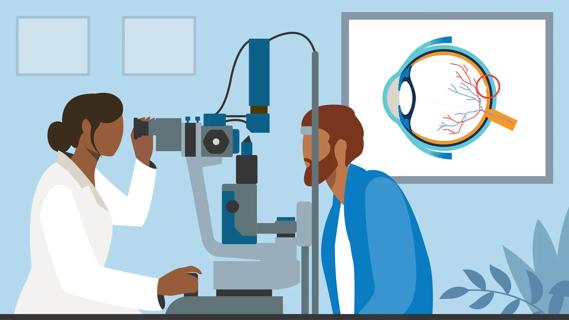
Progress can be slowed with the help of supplements, injections and close monitoring
Advertisement
Advertisement
 Search