Locations:





The sun’s sneaky rays can cause temporary eye damage or raise your risk for future problems

Image content: This image is available to view online.
View image online (https://assets.clevelandclinic.org/transform/bf0a24b2-3512-4147-8d65-8fe5608f3706/wearing-sunhat-sunglasses-beach-1406923816)
Person wearing sunglasses and wide-brimmed hat, with beach umbrella nearby
It can be hard to think about your eyes when you’re slathering sunscreen on your skin. But your eyes need sun protection, too. That’s because ultraviolet (UV) rays can damage more than just your skin. They can hurt your eyes, too.
Advertisement
Cleveland Clinic is a non-profit academic medical center. Advertising on our site helps support our mission. We do not endorse non-Cleveland Clinic products or services. Policy
So, what is UV eye damage, and how can you prevent it?
Of course, you can’t put sunscreen on your eyes, so you’ll want to think of sunglasses and a wide-brimmed hat as sunscreen for your eyes, says ophthalmologist Nicole Bajic, MD.
Dr. Bajic explains how UV rays can damage your eyes and shares simple ways to protect them year-round.
UV eye damage happens when invisible ultraviolet rays harm your eyes. These rays can come from the sun or artificial sources, like tanning beds.
“We often think about UV exposure as something that causes sunburn on skin, but it can affect your eyes, too,” Dr. Bajic says.
Some effects can show up quickly and usually get better with time. Others can appear slowly and last longer.
The most common short-term effect of UV eye damage is photokeratitis.
“Photokeratitis is like a sunburn of the eye,” explains Dr. Bajic. “It can irritate the thin, clear tissue over the white part of your eye, called the conjunctiva, or your cornea — the thicker clear tissue I often call the windshield of the eye.”
This condition is usually temporary, but it can be unsettling thanks to symptoms like gritty or burning eyes, blurred vision and light sensitivity.
And it’s not only a beach-day problem. UV rays can bounce off water, pavement, sand, snow and ice. That’s why photokeratitis can also happen while skiing, snowboarding or spending time outside in bright winter conditions.
Advertisement
Over time, repeated UV exposure can affect both the skin around your eyes and the tissues of the eye itself. That’s why long-term protection matters — it may help lower your risk for:
UV exposure can happen in any season, not just summer. And not all damage is painful or noticeable. This is why protection is important.
Sunglasses are your first line of defense against UV eye damage. But there are also other things you can do to protect your vision, Dr. Bajic says. These small but mighty habits include:
UV protection today is part of caring for your future vision.
“It can be sneaky because you may not feel it happening in the moment,” Dr. Bajic notes. “But protecting your eyes now can make a real difference over time. Think of sunglasses and a wide-brimmed hat as simple ways to keep your eyes healthy.”
Advertisement

Sign up for our Health Essentials emails for expert guidance on nutrition, fitness, sleep, skin care and more.
Learn more about our editorial process.
Advertisement
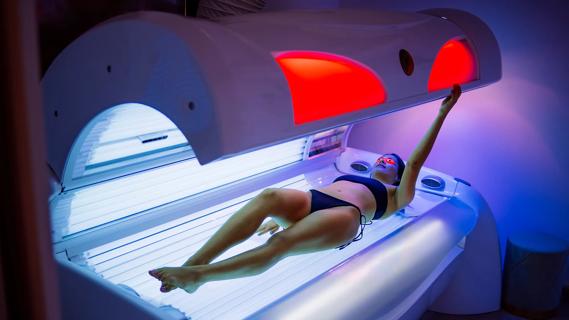
UVA rays from tanning beds increase your risk of skin cancer, wrinkles and eye damage
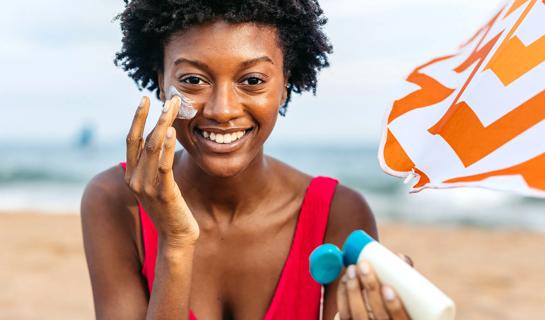
Mineral sunscreen offers broad-spectrum sun protection and can be a good choice for sensitive skin

This cooling gel can help soothe sunburned skin, but it can’t cure the burn
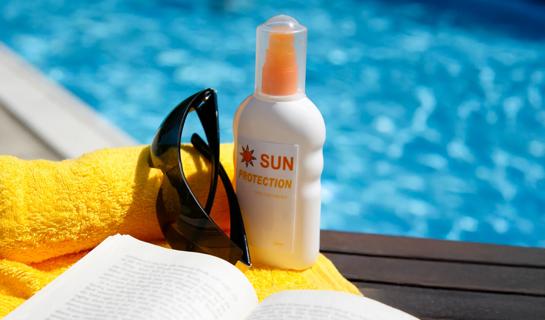
You know it’s not good if you’ve been holding onto it for more than three years or if it’s changed in color, consistency or smell
The convenient option is good for touch-ups, but it shouldn’t replace your traditional sunscreen

Look for a UPF rating of 50+ for optimal protection against UV rays

A sunburn will leave you itchy and red, while sun poisoning can feel like an allergic reaction
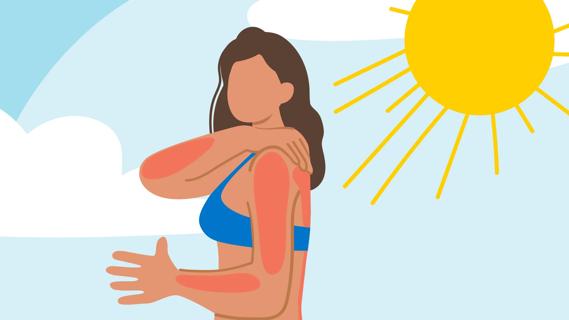
A cool shower, aloe vera gel, anti-itch treatments and cool compresses can provide fast sunburn relief

Hormonal changes, a slower metabolism and muscle loss can make weight gain more common around menopause — healthy habits can help you manage it

Life-threatening complications include sepsis, stroke, pneumonia and more

Fruity-smelling breath can happen when your body burns fat for energy, and in some cases, can signal a medical emergency
 Search










