Locations:


This low-impact activity could boost your cardiorespiratory health
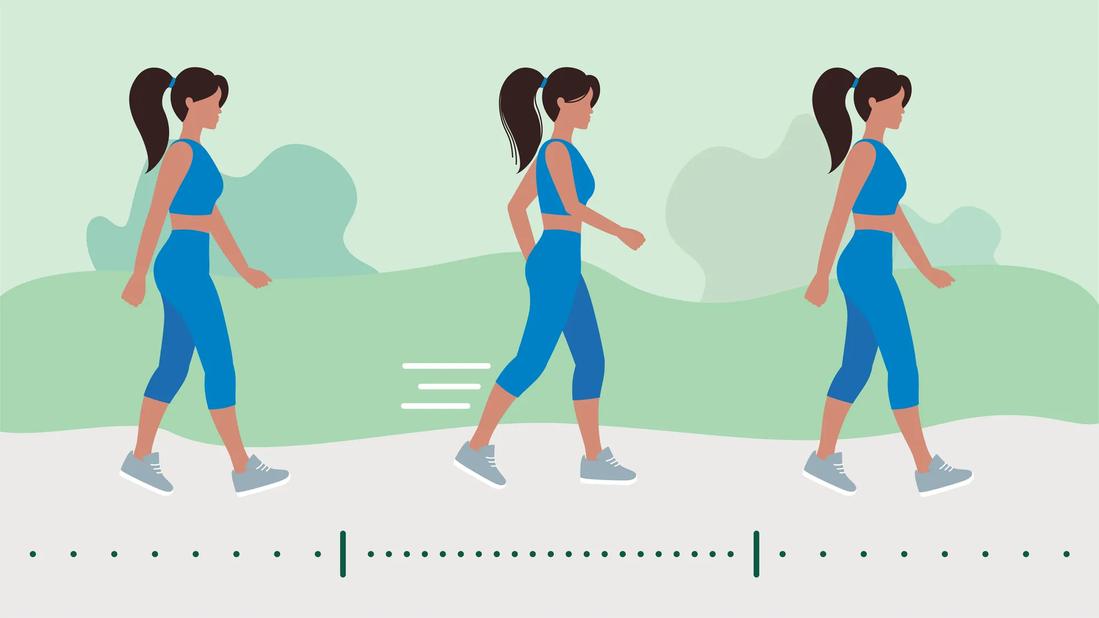
Image content: This image is available to view online.
View image online (https://assets.clevelandclinic.org/transform/6c0242df-f9a9-4506-af05-f0c8b46ed0bb/Japanese-Walking-1329180510)
Person doing interval walking, aka Japanese walking
Walking is great exercise, but sometimes putting one foot in front of the other can get pretty old (even with all its benefits). If you’re tired of doing the same routine, Japanese walking may be just what you need to stay on the right path to fitness.
Advertisement
Cleveland Clinic is a non-profit academic medical center. Advertising on our site helps support our mission. We do not endorse non-Cleveland Clinic products or services. Policy
Sports medicine specialist Lauren Wichman, MD, explains what Japanese walking is and why a change of pace can be good for your health.
The Japanese walking method is a form of interval walking training, or IWT. Popularized by Japanese researchers, this method alternates between three minutes of low-intensity walking and three minutes of high-intensity walking. You then repeat the cycle five times for a full 30-minute workout.
“IWT is different from traditional walking methods because you’re not moving at a constant, steady pace,” explains Dr. Wichman. “Similar to other interval training programs, you’re alternating between slow and fast movements to improve cardiovascular endurance and physical fitness.”
Looking to squeeze IWT into your daily routine? Here’s how to get going:
Advertisement
“If you feel dizzy or something doesn’t feel right, stop and take a break,” says Dr. Wichman. “You can also start with smaller chunks of time or decrease your intensity, too.”
For example, try brisk walking for 45 seconds at a time instead of three minutes. Or go on a full 10-minute walk instead of a 30-minute one and then build up from there.
Japanese interval walking is low-impact cardio that’s well-tolerated by most people. But talk with your healthcare provider if you have a history of:
The Japanese walking method works best when combined with strength training and balance exercises.
“Doing IWT 30 minutes a day, four times a week gets you close to our recommended goal of 150 minutes of aerobic exercise every week,” says Dr. Wichman. “If you add in strength and balance exercises to round out your workouts, it can help improve your endurance and mobility.”
But even on its own, interval walking is a low-cost, accessible aerobic exercise with plenty of health benefits. It can:
If you stick with it, consistent aerobic exercise like interval walking might even help you live longer and help protect against age-related declines in aerobic fitness and strength.
“A lot of people could benefit from the Japanese walking method, especially people who have arthritis and need to do more low-impact activities,” notes Dr. Wichman. “Interval walking is a good addition to any beginner’s routine and something that can get you on your feet in between other activities.”
Advertisement

Sign up for our Health Essentials emails for expert guidance on nutrition, fitness, sleep, skin care and more.
Learn more about our editorial process.
Advertisement

Planning and practicing proper form can help keep you safe from injury
Research hints at improved strength, balance, blood flow and weight loss, but more evidence is needed

It helps to build up your strength and balance before tackling these more resistance-heavy TRX exercises
Glute bridges are simple bodyweight exercises worth adding to any workout

Stay afloat with bicycle kicks, alternating punches and water jogging

Plyometric training uses explosive movements to improve speed, power and agility
Circuit training combines strength and cardio exercises into one efficient workout

One helps with quick, intense bursts, while the other helps carry you for the long haul

This simple practice can help you notice what’s meaningful, comforting or going well

Maca root supplements claim benefits like sexual health, menopause symptom relief and more energy — but human research is limited

It can take a few months — and you’ll need to put down the tweezers to give your brows time to recover
 Search