Locations:


Research hints at improved strength, balance, blood flow and weight loss, but more evidence is needed
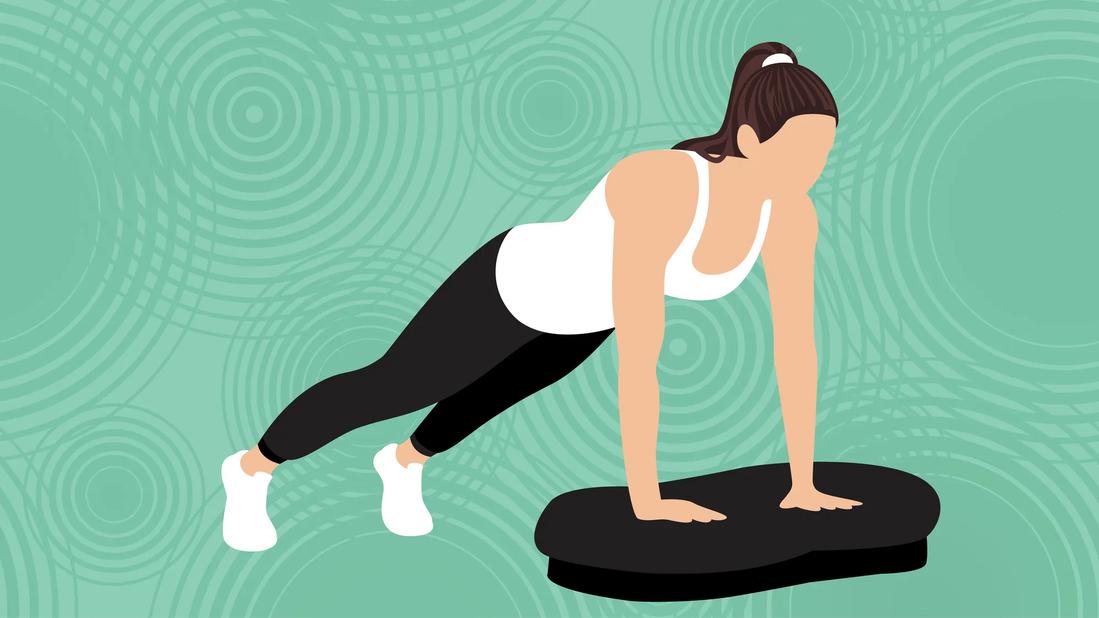
Image content: This image is available to view online.
View image online (https://assets.clevelandclinic.org/transform/20d29505-86fd-439d-8052-fff96f2ee230/Vibration-Plate-1516666629)
Person planking on a vibration plate
If you want to shake up your exercise routine, vibration plates could amp up the intensity. This small piece of equipment packs a punch by using rapid vibrations to challenge your muscles during exercise.
Advertisement
Cleveland Clinic is a non-profit academic medical center. Advertising on our site helps support our mission. We do not endorse non-Cleveland Clinic products or services. Policy
But is this new tech as good as it sounds? Let’s get into it with sports medicine specialist Lauren Wichman, MD.
A vibration plate is a small platform, almost like a stationary skateboard, that shakes rapidly. It causes your muscles to contract and relax several times a second, almost like a massage gun but for your entire body. You can sit, stand or lean on it in various ways to do different exercises, such as squats, planks and more.
“Vibration plates can make exercises more challenging by creating an uneven, oscillating surface,” says Dr. Wichman. “It forces you to maintain your balance and makes muscles contract that you wouldn’t necessarily use otherwise.”
There isn’t a ton of research on vibration plates, and the U.S. Food and Drug Administration (FDA) hasn’t approved them for treating injuries or other conditions. But advocates claim that high-frequency, rapid vibrations can:
Advertisement
So, while research suggests vibration plates could be a good complement to your exercise routine, the jury is still out on just how good the vibes really are.
“We don’t have any evidence on what settings to use or how long to use this equipment in order to receive these benefits,” adds Dr. Wichman. “To truly make the claim it can have all these positive impacts, we have to do more studies.”
If the idea of using a vibration plate still resonates with you and you’re generally healthy, it may be a safe activity to bolster your fitness. Just make sure to start at the lowest frequency and amplitude to get used to how it feels before going full throttle.
“I wouldn’t recommend doing exercises that have you jumping on and off while it’s vibrating because that could increase your risk of falling,” cautions Dr. Wichman. “But there are stationary, bodyweight exercises I would recommend trying.”
Those include:
“Floor exercises, in particular, are much more challenging with vibration plates,” she says. “For planks and push-ups, you can use your hands or feet to support your body on the plate.”
As vibration plates create an unstable surface, you may want to avoid them if you’re:
“There are a few different vibration plates that have handles or let you change the frequency, amplitude and duration, but that vibration is transmitting up your entire body,” explains Dr. Wichman. “If you have neck or back pain, or you have trouble balancing, high-frequency vibrations could lead to dizziness, nausea or vertigo.”
Otherwise, if you’re interested in good vibrations, give it a try. While vibration plates aren’t a replacement for traditional cardiovascular exercises and strength training, they could be a fun addition to your normal routine.
Advertisement

Sign up for our Health Essentials emails for expert guidance on nutrition, fitness, sleep, skin care and more.
Learn more about our editorial process.
Advertisement
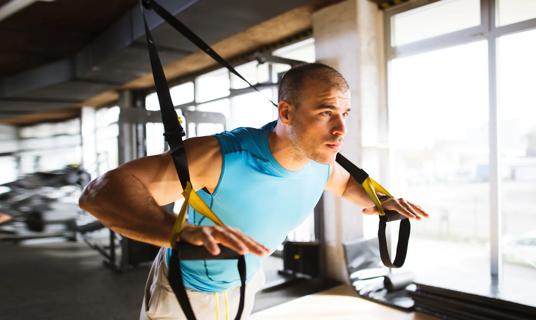
It helps to build up your strength and balance before tackling these more resistance-heavy TRX exercises
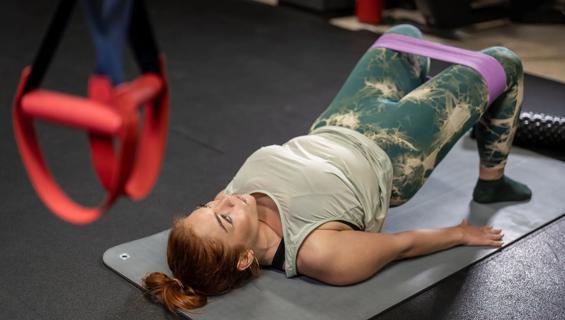
Glute bridges are simple bodyweight exercises worth adding to any workout
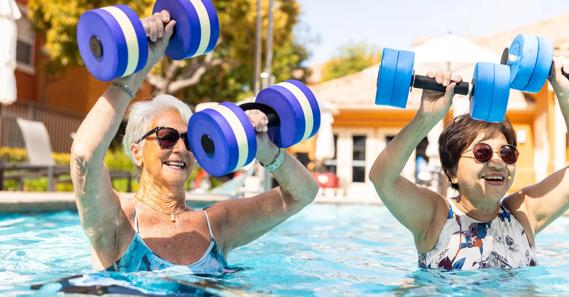
Stay afloat with bicycle kicks, alternating punches and water jogging
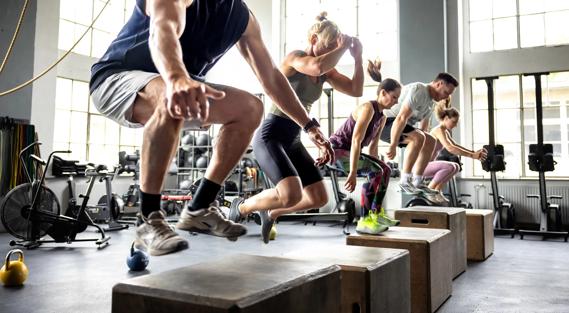
Plyometric training uses explosive movements to improve speed, power and agility
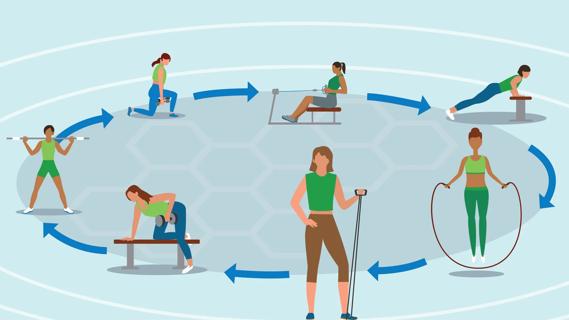
Circuit training combines strength and cardio exercises into one efficient workout

One helps with quick, intense bursts, while the other helps carry you for the long haul

It depends on your symptoms and where you feel them in your body, but you may want to sit this one out
This 75-day challenge provides a balanced approach to physical fitness, mental health and healthy habits
Researchers say components of a snail’s mucus could help hydrate your skin and minimize future wrinkles
Despite rumors, science hasn’t shown that creatine causes hair loss

Fad diets make big promises with little or no science behind them
 Search