Locations:





Stay afloat with bicycle kicks, alternating punches and water jogging
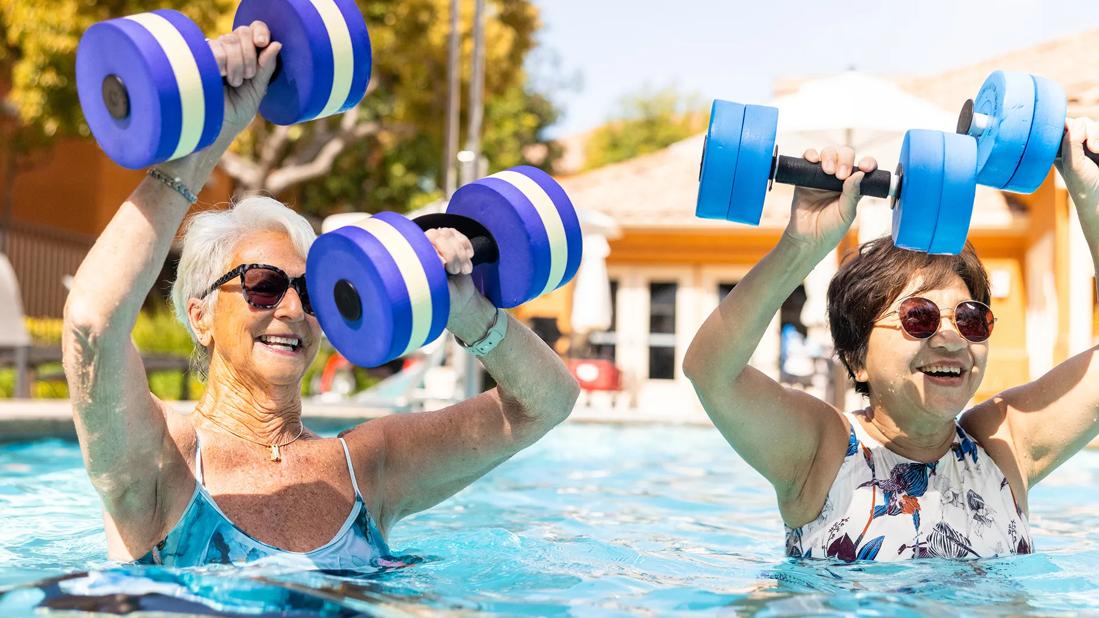
Image content: This image is available to view online.
View image online (https://assets.clevelandclinic.org/transform/a9f23c03-eb7e-42a1-bf3c-8bdfc89bf62b/water-aerobics-punching-2079056577)
Two older people with foam weights doing water areobics in the pool
Swimming isn’t the only way to get a good workout in the pool. Water aerobics combines simple, low-impact movements with the natural resistance of water to help build strength, improve balance and get your heart pumping, all while being gentle on your joints.
Advertisement
Cleveland Clinic is a non-profit academic medical center. Advertising on our site helps support our mission. We do not endorse non-Cleveland Clinic products or services. Policy
Aquatic therapist Alexa Oblak, PTA, explains the benefits of water aerobics and shares some beginner-friendly exercises to get you started in the pool.
Water aerobics consists of low-impact, high-resistance exercises that help build muscle strength, cardiovascular fitness, flexibility and endurance. Designed for all ages and all fitness levels, they’re typically led by an instructor in a group setting and set to music.
You don’t need to be able to swim to do water exercises. They typically take place in the shallow end of the pool, where your feet are always on the ground and your head is above water.
“Aquatic exercises involve fast-paced, repetitive movements,” says Oblak. “You’re constantly moving in sync to the music and not necessarily aiming to complete a certain number of reps.”
These pool exercises are also a great alternative for folks who have a tough time exercising outside of the pool. Yes, the water can add a unique challenge by providing a healthy amount of resistance, but it’s also easier on your muscles, bones and joints than if you were on land.
“In the pool, your muscles don’t feel as strained, and you can modify the intensity as needed,” she continues. “Anyone who has a hard time tolerating land activities might want to give water aerobics a try.”
Advertisement
Water aerobics is also different from aquatic therapy, which is more targeted and focuses on one-on-one rehabilitation.
“Aquatic therapy usually happens in a hospital or clinic setting,” explains Oblak. “A licensed physical therapist is in the water with you, guiding you through different exercises to help with a variety of situations like chronic pain and injury recovery.”
Water aerobics complements on-land exercises by:
“Water aerobics is a good addition to any exercise routine because it helps you hone other skills,” says Oblak. “If you’re a cyclist or a runner returning from an injury, aquatic classes may help you return to your activity faster with less strain on your body as your cardiovascular fitness improves.”
Water aerobics classes usually involve a 10- to 15-minute warm-up followed by 40 to 45 minutes of exercise and a quick cooldown session. Over the course of the class, your instructor might increase or decrease the pace of your movements to match the music.
“You can expect to do 20 to 35 different exercises, with each one lasting anywhere from 15 seconds to a couple of minutes,” says Oblak.
To increase intensity and resistance, you may use different kinds of equipment, like:
Buoyancy belts are especially helpful for more challenging deep water aerobics classes. The belt helps you float so that you’re easily treading water for the entire class.
“Each piece of equipment you use provides different levels of resistance, flotation and strength outputs,” she adds.
Webbed gloves force you to push and pull a larger volume of water — the faster you move, the more difficult it will be. Foam weights, on the other hand, fight to float to the surface, so your muscles must work harder to keep them beneath the surface.
Each class is different, but here are some common pool exercises you can expect.
Advertisement
You can increase the intensity of water jogging by holding foam dumbbells, jogging faster, lifting your knees higher or bringing your fingers together so your hand is flat like a paddle and pushing your arms more forcefully through the water.
Increase the intensity by holding onto foam dumbbells, increasing your speed, making your movements bigger or squatting slightly as you jump your feet apart.
Advertisement
Kick it up a notch by wearing ankle weights, pedaling faster, pedaling longer or making larger cycling circles with your legs.
Want an added challenge? Try holding foam dumbbells, wearing webbed gloves, moving faster or lowering into a squat while punching.
Interested in dipping a toe into your first water aerobics class? Oblak offers the following tips and strategies:
Advertisement
If you’re still feeling like a fish out of water, talk with an instructor. They can answer any questions you have or guide you in the right direction.
“Water aerobics can be a fun way to shake up your exercise routine,” encourages Oblak. “If your workouts feel stale or you’ve hit a plateau, getting in the pool can be a refreshing change of pace.”

Sign up for our Health Essentials emails for expert guidance on nutrition, fitness, sleep, skin care and more.
Learn more about our editorial process.
Advertisement
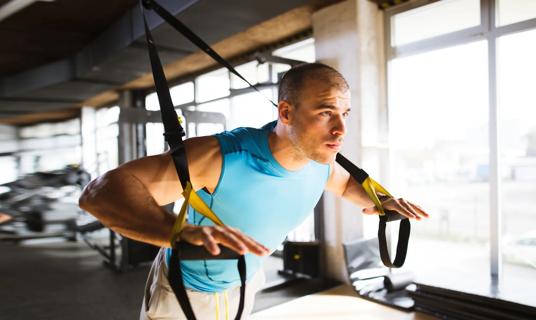
It helps to build up your strength and balance before tackling these more resistance-heavy TRX exercises
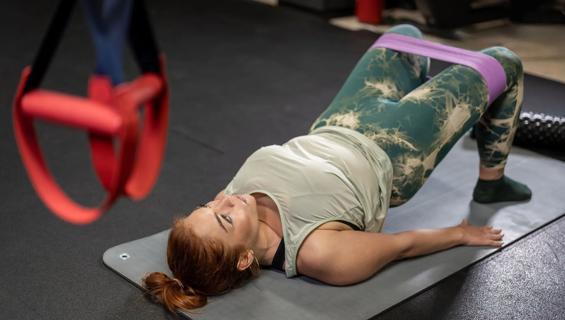
Glute bridges are simple bodyweight exercises worth adding to any workout

Plyometric training uses explosive movements to improve speed, power and agility
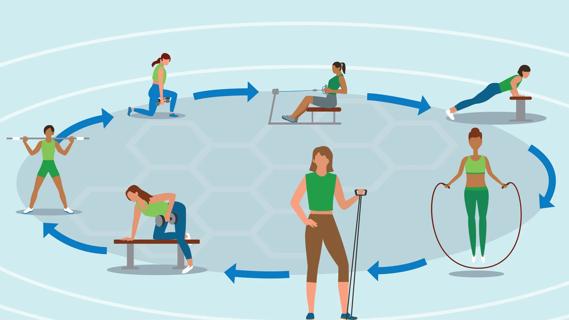
Circuit training combines strength and cardio exercises into one efficient workout

One helps with quick, intense bursts, while the other helps carry you for the long haul

It depends on your symptoms and where you feel them in your body, but you may want to sit this one out

This 75-day challenge provides a balanced approach to physical fitness, mental health and healthy habits

Kettlebells are versatile, space-friendly weights that can help you build strength from head to toe

Managing your weight through physical activity may lower your chances of getting this common cancer

It typically starts in October and winds down in early spring, with cases at their highest in the middle of winter

Anxiety disorders, health conditions and past trauma can make driving nerve-wracking — help is available
 Search










