Locations:


The blended oat beverage may help curb hunger, but it doesn’t work like a GLP-1
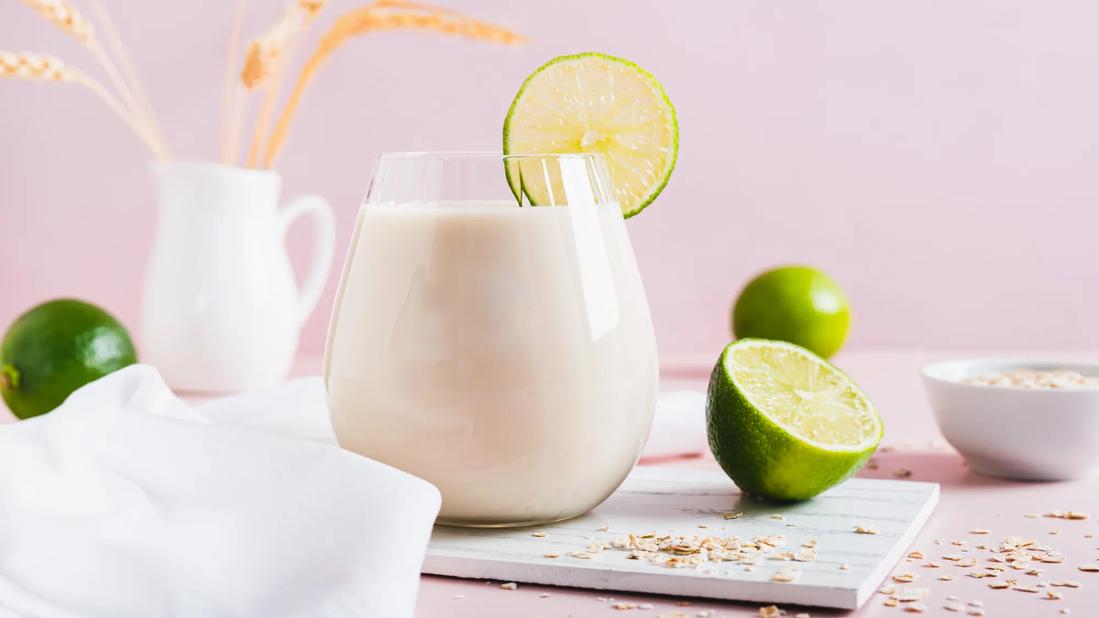
Image content: This image is available to view online.
View image online (https://assets.clevelandclinic.org/transform/d36e836b-ec17-42f8-84bf-b8b5dc701ba2/oatzempic-2153579643)
Glass of oatzempic, with slice of lime garnish
If you’ve ever tried to lose weight before, you know it’s hard work. Tips, tricks and advice abound. But what works and what doesn’t?
Advertisement
Cleveland Clinic is a non-profit academic medical center. Advertising on our site helps support our mission. We do not endorse non-Cleveland Clinic products or services. Policy
Enter the newest TikTok weight loss trend: “oatzempic.” Influencers say it’s a game-changer and a great alternative to GLP-1 agonist medications.
We asked endocrinologist Reena Bose, MD, if oatzempic really is a weight loss superfood or a flash in the social media pan.
Oatzempic is a viral TikTok recipe that influencers laud as a meal replacement and weight-loss solution. If you believe their claims (spoiler alert: you shouldn’t), the drink suppresses your appetite like GLP-1 medications do, including Ozempic®.
One of the reasons there’s so much social media hype around oatzempic is the recipe. It’s simple and affordable. All you have to do is blend the following until they reach a smooth consistency:
The taste leaves … something to be desired. But influencers claim this bland little smoothie can deliver serious health benefits.
Despite the name, oatzempic doesn’t work like Ozempic — or any other GLP-1, for that matter. In fact, it has the same effect on your body that a bowl of plain oatmeal does.
But Dr. Bose isn’t complaining.
“Oats are awesome,” she says. “Carbohydrates are not your enemies. It’s good to gravitate toward unprocessed, more complex carbs that work like oats.”
Advertisement
That’s because oats are rich in fiber. When you eat them, they absorb water, which increases their volume. That means they take up more space in your stomach and slow down your digestion.
“Influencers are saying oatzempic leads to weight loss and curbs your hunger, and there’s some truth in that,” Dr. Bose says. “I recommend oats because they’re high in fiber and keep you full, but they aren’t a true appetite suppressant.”
Influencers may be overselling oatzempic, but Dr. Bose still sees value in it. After all, each ingredient offers a range of health benefits.
Drinking oatzempic may help you:
“A drink like this makes sense for those of us who may not have breakfast in the morning,” she notes. “If the other option is going through a drive-thru to get a sugary breakfast drink or a highly processed breakfast, oatzempic might be a better choice.”
But there’s an important caveat.
“This isn’t a meal plan that you can live on 24/7,” Dr. Bose stresses. But it’d be a welcome addition to a whole-food, plant-based eating plan.
For most people, oatzempic is safe to try as part of a balanced diet. But keep in mind:
While oatzempic has many nutritional benefits, it’s not comparable to weight loss medications prescribed by a doctor. Neither is it a substitute.
Ozempic is the brand name for semaglutide, a medication approved by the U.S. Food and Drug Administration (FDA) for Type 2 diabetes treatment. The same drug, semaglutide, is also prescribed for weight loss under the brand name Wegovy®.
These drugs are called GLP-1 agonists. They send signals to your brain that you’re not as hungry as you’d normally be, decreasing your appetite and reducing food noise.
“You’re not as hungry, so a small amount of food will be very satisfying,” Dr. Bose explains.
Oatzempic, on the other hand, is not a medical treatment for obesity, Type 2 diabetes or anything else. And it doesn’t send the same fullness signals to your brain that GLP-1 medications do. It’s an oat drink that fills you up, literally.
Bottom line? Oatzempic and Ozempic are nothing alike. But used properly, Oatzempic could be a helpful addition to your eating plan. If you’re a fan of it and it helps you stay on track, enjoy! If not, you’re safe to skip it.
Advertisement

Sign up for our Health Essentials emails for expert guidance on nutrition, fitness, sleep, skin care and more.
Learn more about our editorial process.
Advertisement

No one diet is right for everyone — but the Cleveland Clinic Diet app meets your personalized needs

Constantly thinking about food can make it hard to maintain a healthy weight and can lead to other health issues

Hormones, water retention and even exercise can play a part in daily weight changes
Having obesity brings long-term health risks no matter your fitness level
Consistency is a big part of weight tracking
The concept addresses how your body may work to undermine weight loss efforts — but it can be overcome
A little bit of math and a little bit of patience can put you on the path to meeting your goals
Grocery shopping with a plan, paying attention to portion sizes and eating at your own pace can all help you put an end to this habit
Researchers say components of a snail’s mucus could help hydrate your skin and minimize future wrinkles
Despite rumors, science hasn’t shown that creatine causes hair loss
Fad diets make big promises with little or no science behind them
 Search