Locations:


The plant-based milk option is low in calories and high in heart-healthy fats

Image content: This image is available to view online.
View image online (https://assets.clevelandclinic.org/transform/47c7cb71-cb1d-4dfd-9a0f-89e7d4ee49e1/almond-milk-2211756641)
Person pouring almond milk from a glass pitcher into a drinking glass
You’ve heard that cow’s milk “does the body good.” But what about almond milk?
Advertisement
Cleveland Clinic is a non-profit academic medical center. Advertising on our site helps support our mission. We do not endorse non-Cleveland Clinic products or services. Policy
As a popular plant-based alternative to dairy milk, almond milk is low in calories and fortified with nutrients. But there’s nuance when it comes to picking which type to use.
Registered dietitian Julia Zumpano, RD, LD, explains how almond milk may benefit your health and which option is best for you.
In most cases, almond milk is healthy. For example, 1 cup of unsweetened almond milk contains about:
Many manufacturers fortify their almond milk with nutrients, like:
When it comes to drinking almond milk, there isn’t much direct research on how it can benefit your health. While there’s research on whole almonds, that doesn’t mean the same benefits pertain to their milk.
But some of the nutrients found in almond milk may contribute to your overall well-being.
Let’s learn more.
As a plant-based alternative to cow’s milk, almond milk contains no lactose. This means it may be a good option for people who have a lactose intolerance, a milk allergy or are following a vegan diet.
“Dairy milk has certain proteins that can trigger a milk allergy in some people,” explains Zumpano. “Almond milk doesn’t have those same proteins.”
Advertisement
Compared to cow’s milk, unsweetened almond milk is lower in calories. So, if you’re trying to watch how many calories you eat per day, using almond milk in place of cow’s milk may help with your weight management goals.
And thanks to its low-carb content, unsweetened almond milk is also considered a low glycemic index food, which means it may be helpful in preventing spikes in blood sugar levels.
As it’s made with almonds, almond milk naturally contains a good amount of vitamin E.
“Vitamin E is a fat-soluble vitamin and has a lot of antioxidant properties, which we know can protect cells from damage,” says Zumpano.
Your body needs vitamin E to support your:
Vitamin E also contributes to heart health.
“Studies show that getting vitamin E naturally through your diet may improve your cardiovascular health by maintaining healthy blood vessels and preventing blood clotting,” says Zumpano.
Almond milk also contains monounsaturated and polyunsaturated fats — both considered “healthy fats.” Consuming these healthy fats to replace unhealthy fats, like saturated and trans fats, may help benefit your heart by lowering your LDL (“bad”) cholesterol.
When it comes to picking an almond milk, you want to consider how the product is made and what kind of additives are used. Store-bought almond milk typically comes in one of the following varieties:
Advertisement
“It’s important to watch how much added sugar you consume,” stresses Zumpano. “Over time, excessive added sugar can contribute to health conditions, like Type 2 diabetes and heart disease.”
It’s also common to see both unsweetened and sweetened options available in a vanilla flavor. Some brands offer flavors like chocolate or coconut, too.
Additionally, you can make your own almond milk by using raw almonds. You’ll need to soak them in water before blending and straining the mixture to separate the pulp from the milk.
If you have a tree nut allergy, almond milk can cause an allergic reaction just like almonds can, warns Zumpano. It may cause symptoms, like:
If you’re using cow’s milk to help you meet protein needs, keep in mind that replacing cow’s milk with almond milk won’t provide a significant amount of protein.
Advertisement
There may be times when you’re looking for a plant-based option to replace cow’s milk. You may have a milk allergy, be following a vegan diet or just like the taste of almond milk.
And almond milk, especially the unsweetened kind, is a good choice, as it’s low in calories and has a good amount of heart-healthy fats.
Try using almond milk in your cereal, coffee, smoothies, baking and cooking — just as you’d use dairy milk. But be sure to note whether you’re using sweetened or flavored varieties, as that may affect the taste.
“Almond milk can be a great healthy option — whether you’re drinking it or using it in your recipes,” says Zumpano. “A lot of people enjoy the creamy texture and nutty taste.”
Advertisement

Sign up for our Health Essentials emails for expert guidance on nutrition, fitness, sleep, skin care and more.
Learn more about our editorial process.
Advertisement

The plant-based milk may help support heart health and weight management
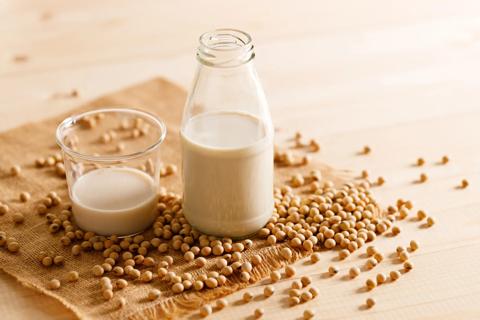
From protein to phytoestrogens, soy milk offers health benefits that many plant milks don’t

Nondairy milks like soy, oat and almond can offer many benefits, but the key to choosing one depends on your nutritional needs and taste preferences

This dairy-free milk alternative is a great source of fiber, but it often contains added sugar

Experiment with numerous dairy alternatives or try taking a lactase enzyme medication before you eat dairy

A dreamy-creamy, delicious way to fuel your day

You’ll enjoy this delicious blend of unexpected flavors

Get the scoop on alternatives to regular and premium ice cream

This low-impact activity could boost your cardiorespiratory health

The advice dates to 1574, but it falls a little short given what we know today

Most tongue pain isn’t too serious, but seek help if it’s severe or lasts longer than a few weeks
 Search