Locations:





Nondairy milks like soy, oat and almond can offer many benefits, but the key to choosing one depends on your nutritional needs and taste preferences

Image content: This image is available to view online.
View image online (https://assets.clevelandclinic.org/transform/d5dcc018-f2a2-4a1c-b71d-23d3e39e145f/plant-based-milk-1899824444)
Assorted plant-based cups of milk, with associated product near each cup, with oat, cashew, hazelnut, almond, soy coconut
Plant-based milk alternatives have surged in popularity in recent years, crowding grocery store shelves and challenging cow’s milk as a staple. Whether it’s due to lactose intolerance, a vegan lifestyle or personal preference, more people are reaching for a milk substitute than ever before.
Advertisement
Cleveland Clinic is a non-profit academic medical center. Advertising on our site helps support our mission. We do not endorse non-Cleveland Clinic products or services. Policy
But how do they compare to traditional dairy?
Cow’s milk remains a popular choice, especially for children. That’s because it naturally provides a balance of protein, fat and key nutrients that support growth and development.
Many nondairy milk options are fortified with calcium and vitamin D. But their overall nutrition can vary widely — particularly when it comes to protein, calories and ingredients.
We spoke with registered dietitian Julia Zumpano, RD, LD, to break down what you should know about today’s dairy-free milk options and how to pick one that fits your needs.
Plant-based milk is a dairy-free beverage that can be made from nuts, seeds, grains or legumes. Other names for plant-based milk include:
These drinks are designed to replace cow’s milk — whether you have a milk allergy, are avoiding dairy or just prefer the taste. You can use them in cereal, coffee, smoothies and cooking, just like traditional dairy milk.
“Cow’s milk is rich in protein, calcium and B vitamins,” Zumpano says. “But there are several reasons you might want to consider a milk substitute.”
There’s no single “healthiest plant-based milk.” The best choice depends on your individual goals and dietary needs.
Advertisement
For one, they’re naturally dairy-free, making them a good choice for people with lactose intolerance or milk allergies. Many are also lower in saturated fat than whole milk. And they may contain more unsaturated fats, which support heart health.
They can also help people tailor their nutrition to meet their specific needs. Whether the goal is to reduce calories or avoid certain ingredients, options can be customized to fit.
“Plant-based milks can fit into any healthy lifestyle,” says Zumpano. “The key is choosing one that meets your nutrition needs.”
Different types of plant-based milk vary in taste, texture and nutritional value. Here’s a closer look at some of the most common options.
Nutritionally, soy milk is often considered the closest to cow’s milk. It’s cholesterol-free, low in saturated fats and provides a similar amount of protein.
Many are fortified with calcium and vitamin D, which adds to their nutritional value. But keep in mind, some can be higher in calories. And if you have a soy allergy, you’ll want to avoid this option.
Almond milk is a popular dairy-free option, especially for people looking for something lower in calories. It also contains heart-healthy fats.
Many almond milks are diluted with water. So, their nutritional value often depends on fortification.
Oat milk is known for its creamy texture and mild flavor. This makes it a favorite for coffee drinks and baking. One advantage is that it’s naturally free of dairy, lactose, soy and nuts. That can be helpful for people with dietary restrictions or food sensitivities.
Like a lot of other nondairy options, oat milk generally comes with added calcium, vitamin D, vitamin A and riboflavin. It also typically has a bit more protein and fiber than other alternatives.
The downside? Oat milk usually has more carbs and calories than other plant-based options.
Coconut milk (the drink, not the ingredient used in soups and curries) is rich and creamy. Like other options, it contains little to no protein. And while it’s low in calories, it’s also high in fat. Many coconut milk choices are diluted to offer less fat and calories.
“Keep in mind that the fat found in coconut milk is saturated fat,” points out Zumpano. “You want to keep that at a minimum if heart health is a concern.”
On the plus side, unsweetened coconut milk has no carbs and offers a thick, creamy plant-based option that works well for those with dairy or nut allergies.
Advertisement
Other options continue to grow in popularity. You may see:
These can vary widely in their taste and nutritional profiles.
For example, cashew milk has a rich, creamy taste. It’s loaded up with vitamin E and is low on calories, cholesterol and sugar. Rice milk has a naturally sweeter taste, so it may contain less added sugar, but it can be high in carbs and calories. Hemp milk comes with heart-healthy omega-3 fatty acids and fewer calories. But as Zumpano notes, it’s not as readily available at major grocery stores. Pea milk is often higher in protein and is typically fortified with calcium.
With so many plant-based milk alternatives available, it’s important to look closely at nutrition labels and ingredients. Here are a few key factors to keep in mind when choosing a milk substitute.
One of the most important factors is added sugar. Many flavored or “original” varieties of nondairy milk contain added sugars, which can add up quickly.
Zumpano recommends avoiding sweetened versions with sugar additives. Opt for unsweetened varieties instead.
Most dairy-free milk options don’t naturally contain calcium or vitamin D, so fortification matters.
“If you’re looking to maximize certain vitamins or nutrients, check specific brands,” advises Zumpano. “That way, you can compare and find the highest value of what you’re hoping to achieve.”
Advertisement
Protein content is another key difference between options. Milk alternatives can vary significantly in their protein levels.
Soy and pea milks tend to be higher in protein. Almond, rice and coconut milks are typically much lower. If you rely on milk as a source of protein, this is an important detail to consider.
Finally, take a look at the ingredient list. Some products include added oils, gums or stabilizers to improve texture and shelf life.
These ingredients are generally recognized as safe, but choosing options with simpler ingredient lists may be a good choice if you prefer less processed foods.
Plant-based milks can be part of a healthy lifestyle. But choosing the right one takes a little extra attention.
“Unlike cow’s milk, which has a consistent nutrition profile, plant-based milk alternatives can differ widely from one product to the next,” Zumpano reiterates. “That means the healthiest choice isn’t just about the type. It’s about how it’s made.”
Focus on unsweetened options, check for fortification and pay attention to protein to find a milk substitute that works best for you.
Advertisement

Sign up for our Health Essentials emails for expert guidance on nutrition, fitness, sleep, skin care and more.
Learn more about our editorial process.
Advertisement
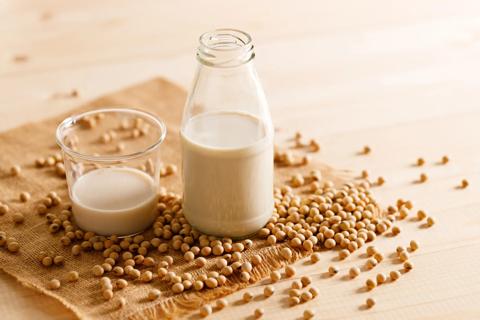
From protein to phytoestrogens, soy milk offers health benefits that many plant milks don’t

This dairy-free milk alternative is a great source of fiber, but it often contains added sugar

From sauerkraut to kimchi, these foods can help keep your gut healthy

This famously funky-smelling fruit is packed with fiber, vitamins and minerals

This South Pacific plant is often promoted for stress relief and relaxation, but there are a few things you should know before trying it
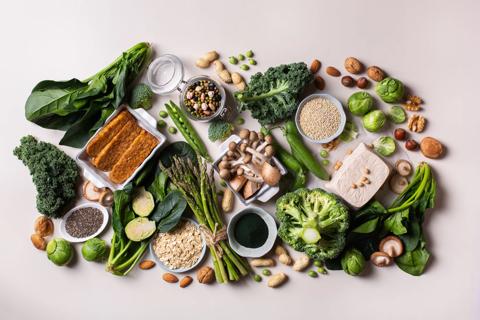
You can get a good amount of protein from eating lentils, beans, tofu, grains, seeds and nuts

This citrus fruit delivers vitamin C, fiber and other nutrients that can support your heart, immune system and skin
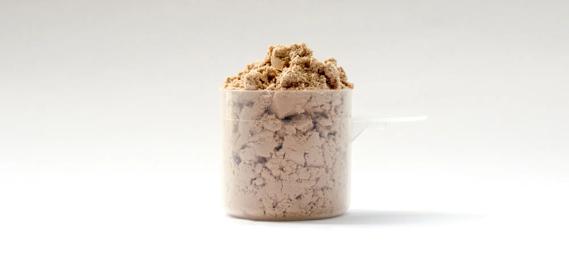
Protein is essential in your diet, but piling more onto your plate isn’t always better

Managing your weight through physical activity may lower your chances of getting this common cancer

It typically starts in October and winds down in early spring, with cases at their highest in the middle of winter

Anxiety disorders, health conditions and past trauma can make driving nerve-wracking — help is available
 Search










