Locations:





Grocery shopping with a plan, paying attention to portion sizes and eating at your own pace can all help you put an end to this habit
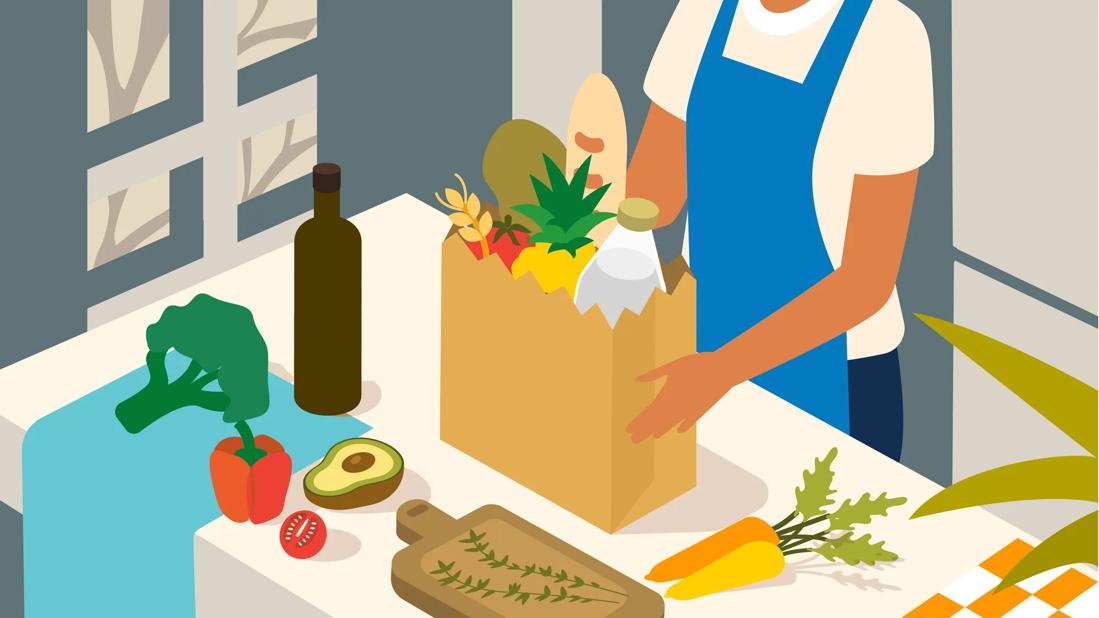
Image content: This image is available to view online.
View image online (https://assets.clevelandclinic.org/transform/96e88f38-a814-43a1-b2a4-55cbb746d887/overeating-1281073904)
Person unpacking bag of groceries
We all have a tendency to overeat every now and then. But if it becomes a regular habit, it can lead to weight gain and eating disorders.
Advertisement
Cleveland Clinic is a non-profit academic medical center. Advertising on our site helps support our mission. We do not endorse non-Cleveland Clinic products or services. Policy
So, how can you stop overeating, both in the moment and for good?
Psychologist Susan Albers, PsyD, explains how mindfulness can help you break the habit and make different choices the next time around.
First things first: Overeating is different from binge eating disorder.
“With binge eating, you often feel out of control. But overeating is often caused by emotional eating,” Dr. Albers clarifies. “It can also be that what you’re eating is just really tasty and you enjoy it, so you continue to eat for the pleasure of it.”
But if overeating affects how you function day to day, consider taking steps to eat more mindfully. Mindful eating means enjoying the good vibes your food gives you — not just scarfing it down. It’s more about how you eat than what you eat, Dr. Albers says.
“The antidote to overeating is listening to your hunger and learning how to eat in a mindful way,” she encourages. “That means paying attention to what you’re eating and not becoming distracted.”
These tips can help.
Emotional eating can easily lead to overeating. And while you may associate that phrase with so-called negative feelings like sadness or anger, overeating can also result from happiness or other positive feelings.
Advertisement
“Before you eat, take a pause and ask yourself: Am I eating because I’m feeling emotional?” recommends Dr. Albers. “Sometimes, simply taking that pause can prevent you from engaging in emotional eating.”
Ever catch yourself eating just because there’s nothing else to do? That’s common.
“Boredom eating is the No. 1 trigger of mindless overeating,” Dr. Albers states. “And we tend to do it in certain spots and locations, like on the couch while watching TV or scrolling.”
To put an end to it, first try to understand your trigger locations. Then, when you catch yourself eating out of boredom, acknowledge it. This small but powerful moment of mindfulness can help you become more aware of how much you’re eating.
To avoid falling into the boredom trap, Dr. Albers suggests walking around or changing locations. Even drinking something cold can help snap you out of boredom eating.
It’s good to have options. But depending on what foods you have on hand, it can be all too easy to satisfy every little craving, from lunchtime smorgasbord to midnight snack. The antidote, Dr. Albers says, starts at the grocery store.
“Making a list beforehand and staying mindful when you shop can help decrease impulse buys,” she advises. “Online shopping and curbside pickup can also help.”
Another way to be more mindful is to rethink your kitchen setup by strategically placing healthy foods near the front of your refrigerator. If they’re in your line of sight, she says, you’re more likely to eat them than to root around for the foods you tend to overeat.
It can be hard to gauge recommended serving sizes, especially at restaurants. So, it’s sometimes tempting to just keep eating until all the food on your plate is gone. Try these three tips to tune in to portion sizes:
And remember: It’s always OK to save part of your meal as leftovers, whether you’re at a restaurant or sitting down to a family meal.
When your eyes are bigger than your stomach, you may load up your plate (or plates) with lots of food … and then feel like you have to eat it all.
Advertisement
Think about the last time you were at a buffet or a potluck dinner. You probably figuratively jumped with joy at all the options. But without a little mindfulness beforehand, it’s all too easy to overload yourself.
“Take a tour of the entire buffet and check out all of your options before you choose,” Dr. Albers says. “By doing a little recon first, you can make a more informed choice on what to eat or take smaller portions of everything so you can taste more — and avoid overeating.”
When it comes to food, everyone’s an influencer — and each of us has the capacity to be influenced. In fact, a 2011 study showed that we tend to match the chewing rate of the people we’re with, even if we don’t know them.
That tendency can make it hard to curb your cravings when you’re eating with others.
“Make a real effort to eat slowly and not match the pace of the people around you, especially if they’re eating really fast,” Dr. Albers advises. “It’s also helpful to try to be the first one to order because that person often sets the tone for the table.”
And remember: Everyone’s food needs are different. Your friends’ meals may not necessarily match your cravings, hunger levels or nutritional goals.
When you’re busy being a social butterfly, you may not realize that you keep popping appetizers and downing glasses of wine all night long. But those calories can add up and fill you up.
Advertisement
“Often when you’re being social, you’re eating in a very mindless way,” says Dr. Albers. “You can eat an entire plate of food and barely taste a single bite.”
When you’re in a social setting, remember the motto, “Always eat off your feet.”
“If you’re at a party and there’s a buffet, make sure you put it on a plate and sit down to eat,” she advises. “This will help you focus on what you’re eating.”
You’ve got a big work deadline coming up, but you’re not motivated to work on it. Or you’re putting off doing this week’s laundry. And instead of focusing on the task at hand, you fill it with food.
“Give yourself permission to take a break,” says Dr. Albers. “You don’t need food to fill up that time. What you really need is a couple of minutes of quiet or some time to mindlessly flip through a magazine before you get to the task at hand.”
“One of the best things you can do for your hunger levels is to maintain a routine,” Dr. Albers says. “Routines help keep your hunger hormones regulated.”
Your body’s two “hunger hormones” are called ghrelin and leptin. These hormone levels increase before meals and decrease after meals. But they can be impacted by factors like sleep, exercise, stress and hydration.
Advertisement
So, lifestyle habits can play a big role in your tendency to overeat. You can help prevent the inclination by:
This one’s related to maintaining a consistent routine, but it’s so important that it deserves its own section.
Establishing a good sleep routine (often referred to as practicing sleep hygiene) can help prevent overeating. In particular, focus on going to sleep and waking up at the same time each day.
“The ability to get up at the same time each day helps regulate your appetite,” Dr. Albers explains. “Missing just one hour of sleep can increase your cravings.”
You’re both hungry and angry because you’ve waited too long to eat. You’re hangry.
“It’s often a big trigger of overeating because your blood sugar is very low,” says Dr. Albers. “When you’re hangry, you’re overly hungry, so you tend to eat anything that’s nearby.”
So, how can you prevent that hangry feeling? Make sure you eat regularly and have healthy snacks throughout the day to keep your blood sugar regulated, Dr. Albers advises. “That’s going to prevent those big dips that make you crave food quickly.”
When you’re on a strict diet, you can feel deprived and irritable. So, instead of staying away from ice cream, you may give in and end up eating a whole pint.
“Dieting is a direct line to overeating,” Dr. Albers cautions. “It makes you very vulnerable to this habit.”
Instead of turning to restrictive fad diets (which, it should be noted, are often extremely unhealthy), focus instead on eating mindfully throughout the day.
“Don’t try to convince yourself that you should ignore your hunger or talk yourself out of your hunger,” she emphasizes. “Instead, make sure that you eat healthy foods to keep your blood sugar stable. This will prevent you from overeating at a later time.”
If you try to minimize your overeating and feel like it’s difficult, talking to a healthcare provider can help give you the tools you need.
“Overeating can become a problem, with a lot of emotional discomfort like shame and regret,” recognizes Dr. Albers. “For some people, it also can cause a lot of anxiety, or sometimes depression.”
But a doctor or mental health professional can help you come up with some practical solutions to help you address factors that lead to overeating. They may also want to perform assessments to see if there’s a medical reason behind your overeating.

Sign up for our Health Essentials emails for expert guidance on nutrition, fitness, sleep, skin care and more.
Learn more about our editorial process.
Advertisement

This famously funky-smelling fruit is packed with fiber, vitamins and minerals

This citrus fruit delivers vitamin C, fiber and other nutrients that can support your heart, immune system and skin

Protein is essential in your diet, but piling more onto your plate isn’t always better

Eating about 20 to 30 grams of protein for your first meal can help you feel fuller longer and fend off cravings

The best choices are high in omega-3s and protein and low in mercury

This vibrant purple yam offers vitamin C, fiber and antioxidants in every bite

Look for foods with a variety of nutrients that last a long time and work in multiple meals — like legumes, whole grains and frozen or canned produce

The traditional hot dog isn’t exactly a nutritious choice, but that doesn’t mean you can’t enjoy one here and there

Managing your weight through physical activity may lower your chances of getting this common cancer

It typically starts in October and winds down in early spring, with cases at their highest in the middle of winter

Anxiety disorders, health conditions and past trauma can make driving nerve-wracking — help is available
 Search










