Locations:





Semaglutide and other GLP-1s work best as long-term medications
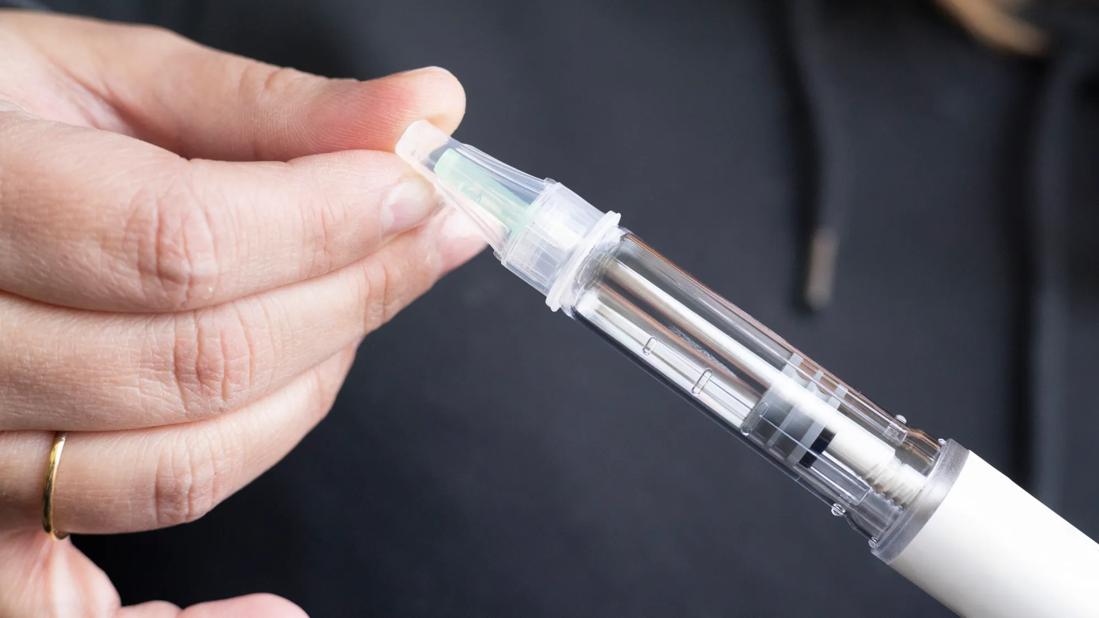
Image content: This image is available to view online.
View image online (https://assets.clevelandclinic.org/transform/33c07788-0992-4838-9e0d-5f723a1e898d/GLP-1-2196049938)
Hands holding a GLP-1 injector
Semaglutide (Wegovy®) and other GLP-1s have been touted for their many benefits. When it comes to weight loss, they’re especially helpful for shedding pounds. But how fast do they work? And how long do you need to stay on semaglutide to reap the rewards?
Advertisement
Cleveland Clinic is a non-profit academic medical center. Advertising on our site helps support our mission. We do not endorse non-Cleveland Clinic products or services. Policy
Endocrinologist Anira Iqbal, MD, explains why GLP-1s work best the longer you take them.
When taking semaglutide for weight loss, you can expect to see changes very soon. In the first four weeks, they can:
“With GLP-1s, we start you on a very low dose to get your body used to the medication. In most cases, you can expect some weight loss by week four,” says Dr. Iqbal. “After week four, we tend to increase the dose to try to achieve more weight loss.”
How much weight you lose varies based on a few factors, including your biology and any lifestyle changes you’re making. On average, studies show most people living with obesity lose between 15% and 25% of their body weight after just one year on a GLP-1.
The benefits of semaglutide and other GLP-1s seem to improve the longer you take them.
A recent clinical trial found that people living with cardiovascular disease had a major reduction in heart attacks, stroke and other cardiovascular disease events after taking semaglutide continuously for four years.
Another systematic review found that people were able to maintain weight loss when they took a GLP-1 for two years or more.
Advertisement
“From the results of the trials we’ve seen, the recommendation is to continue taking GLP-1s for as long as possible and to think of obesity as a chronic disease,” explains Dr. Iqbal.
It’s very similar to managing other chronic conditions, like high blood pressure.
“Lifestyle changes might help improve high blood pressure, but many people need to be on medication for it for the rest of their lives — and it’s very similar in weight management,” she notes.
Once you’ve reached your desired weight, you can choose to stop taking GLP-1s like semaglutide with the help of your healthcare providers — but it’s not always ideal.
A big reason for this is that it’s common to gain back some of the weight you’ve lost when you stop taking the prescribed medication. The weight tends to come back because:
When weight returns, your blood pressure and cholesterol levels increase, too, which raises your risk for cardiovascular disease and other complications.
A recent study found that more than 50% of people who stopped taking their GLP-1 were able to keep their weight off or continue losing weight after one year. But it also reported complete weight regain after two years in:
“It takes a lot of effort to keep that weight off once you stop taking a GLP-1,” says Dr. Iqbal. “Even if you continue lifestyle interventions and you’re eating healthy and exercising, you can still regain at least 3% or 4% of your body weight.”
Over the course of your treatment, your healthcare provider will gradually increase how much semaglutide you’ll take until you’ve reached your desired weight or hit the maximum allowable dose. At that point, they can recommend a maintenance dose that can help you sustain the weight you’ve lost.
“We try to get you to a lower dose where your weight is stable, you’re not gaining weight back and you’re continuing to benefit from the effects of these medications,” says Dr. Iqbal.
But there’s no one-size-fits-all maintenance dose. Some people need a higher dose to prevent weight regain, while others are able to come down to a much lower dose.
“It’s really tailored to what your body needs at the time,” she clarifies.
For many, weight loss isn’t linear. You gain some, you lose some and sometimes you plateau. But your healthcare provider is there with you every step of the way. When you’re taking semaglutide or another GLP-1, they can help you monitor your progress and recommend medication adjustments as needed — for as long as they’re helping you achieve your goals.
Advertisement
“If you choose to stop taking a GLP-1, we can help you with your lifestyle changes so you’re able to keep the weight off in a sustainable manner,” says Dr. Iqbal.
They can also help identify any disordered relationships with food and provide counseling to help you build healthy habits.
“We don’t want you getting anxious if you stop these medications,” she encourages. “We want to support you long term, and there are plenty of ways to do that.”
Advertisement

Sign up for our Health Essentials emails for expert guidance on nutrition, fitness, sleep, skin care and more.
Learn more about our editorial process.
Advertisement
Abruptly ending treatment often comes with weight regain and other issues

Despite their name, these patches don’t contain GLP-1 medication and have dubious effects

Rapid weight loss can cause loose skin, facial volume loss and body contour changes

Eat smaller meals, stay hydrated, avoid high-fat foods and, if needed, ask your doctor about switching to a lower dosage
Taking a smaller dose than what your doctor recommends isn’t a good idea

Both are GLP-1 medications that are FDA-approved for Type 2 diabetes and weight loss, but how they work differs

Healthy eating helps, but so do a lot of other strategies for improving your overall health and wellness

Exercising while taking semaglutide and other GLP-1s helps prevent muscle loss and boosts metabolism

Managing your weight through physical activity may lower your chances of getting this common cancer

It typically starts in October and winds down in early spring, with cases at their highest in the middle of winter

Anxiety disorders, health conditions and past trauma can make driving nerve-wracking — help is available
 Search










