Locations:





Rapid weight loss from the medication may decrease your overall muscle mass
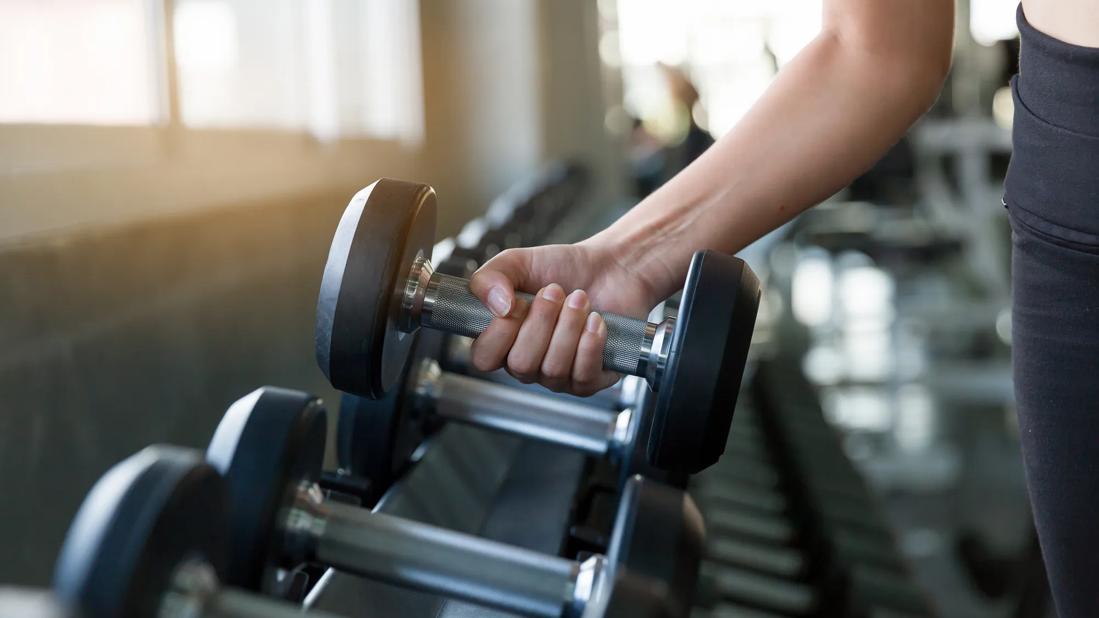
Image content: This image is available to view online.
View image online (https://assets.clevelandclinic.org/transform/52a0e193-388b-426c-aa91-ca99a182771c/weight-training-1441694626)
Person picking up dumbell off rack at gym
People have been singing the praises of GLP-1 agonists like Ozempic® for their potential weight loss benefits. But there’s a chance you’ve begun to notice you’re losing lean muscle as well.
Advertisement
Cleveland Clinic is a non-profit academic medical center. Advertising on our site helps support our mission. We do not endorse non-Cleveland Clinic products or services. Policy
This loss of muscle can be managed with strategies like focusing on eating enough protein, engaging in strength training and slowly losing weight.
Muscle loss isn’t caused by Ozempic or other GLP-1s themselves.
“It’s not related to how the drug works itself,” explains obesity medicine subspecialist W. Scott Butsch, MD, who’s also employed by Novo Nordisk (the makers of Ozempic and Wegovy™). “Muscle loss is related to the process of losing weight.”
Rapid and significant weight loss can lead to sarcopenia (a loss of muscle mass, strength and function), especially if you aren’t focused on diet and exercise. You may notice muscle loss in different areas such as your legs, face and butt.
“If you lose weight, you tend to lose some muscle, too,” says Dr. Butsch. “Researchers are now looking into ways to prevent that muscle loss and explain why certain people may be more at risk of losing muscle mass.”
Worried about muscle loss? Dr. Butsch suggests the following.
Seeing those numbers shift on your bathroom scale can make it tempting to go all in and go fast with GLP-1 drugs. But Dr. Butsch cautions restraint, adding that there are benefits to losing weight slowly. A more nuanced approach to using GLP-1s gives your body time to adjust to changes like weight loss and can make certain symptoms like nausea more manageable.
Advertisement
“Talk to your doctor about your specific health goals,” he advises. “Together, you can come up with a plan that works best for you.”
Drink enough water throughout the day. Doing so not only keeps dehydration at bay, but it also helps lessen muscle cramps and fatigue, especially after a grueling workout.
Hydration needs can vary from person to person — factors like your activity level, weight or even the weather can result in needing more or less water.
A good starting point? The Academy of Nutrition and Dietetics recommends the following daily fluid intake:
Strength training — think resistance bands or lifting weights — is key to muscle growth and development. By stimulating your muscles, you’re making them work and adapt to their environment.
In fact, if you’re consistent with strength training, you may see improvements in muscle growth within two to three months.
Protein is vital for keeping your existing muscles strong — and if you’re spending time strength training, protein helps you build even more muscle.
But there’s not a one-size-fits-all amount of protein you need to get each day. A general guideline is to eat between 0.8 and 1 gram of protein for each kilogram of body weight each day. However, certain factors, like age, weight, level of activity, overall health and whether you’re intentionally losing weight, might alter actual protein needs.
Consider working with a registered dietitian or nutritionist who can help you determine what’s right for you, including protein.
If you’re noticing muscle loss while losing weight on a GLP-1, you can take matters into your own hands by focusing on your protein intake, staying hydrated and starting a strength training program.
Dr. Butsch notes that researchers are looking into ways to maintain muscle mass while on these highly effective medications.
“Some companies are currently developing drugs that are trying to preserve muscle mass in the setting of weight loss,” he shares. “There have been a few early studies that look at combining both a GLP-1 medication, like semaglutide, with a drug that prevents muscle mass atrophy or loss. Researchers concluded preservation of muscle mass and continued loss of fat, but more research is needed.”
Advertisement

Sign up for our Health Essentials emails for expert guidance on nutrition, fitness, sleep, skin care and more.
Learn more about our editorial process.
Advertisement
Abruptly ending treatment often comes with weight regain and other issues

Despite their name, these patches don’t contain GLP-1 medication and have dubious effects
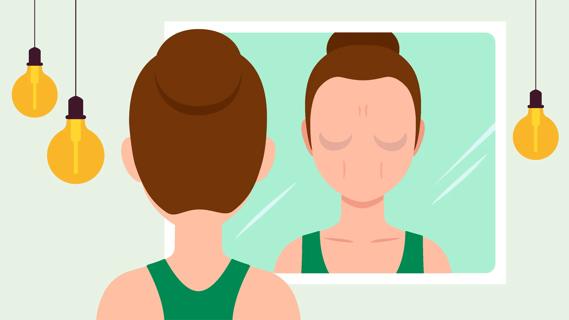
Rapid weight loss can cause loose skin, facial volume loss and body contour changes

Eat smaller meals, stay hydrated, avoid high-fat foods and, if needed, ask your doctor about switching to a lower dosage
Taking a smaller dose than what your doctor recommends isn’t a good idea

Both are GLP-1 medications that are FDA-approved for Type 2 diabetes and weight loss, but how they work differs

Healthy eating helps, but so do a lot of other strategies for improving your overall health and wellness

Exercising while taking semaglutide and other GLP-1s helps prevent muscle loss and boosts metabolism

Managing your weight through physical activity may lower your chances of getting this common cancer

It typically starts in October and winds down in early spring, with cases at their highest in the middle of winter

Anxiety disorders, health conditions and past trauma can make driving nerve-wracking — help is available
 Search










