Locations:





People with PKU need to avoid high-protein foods, like meat, dairy, legumes and whole grains
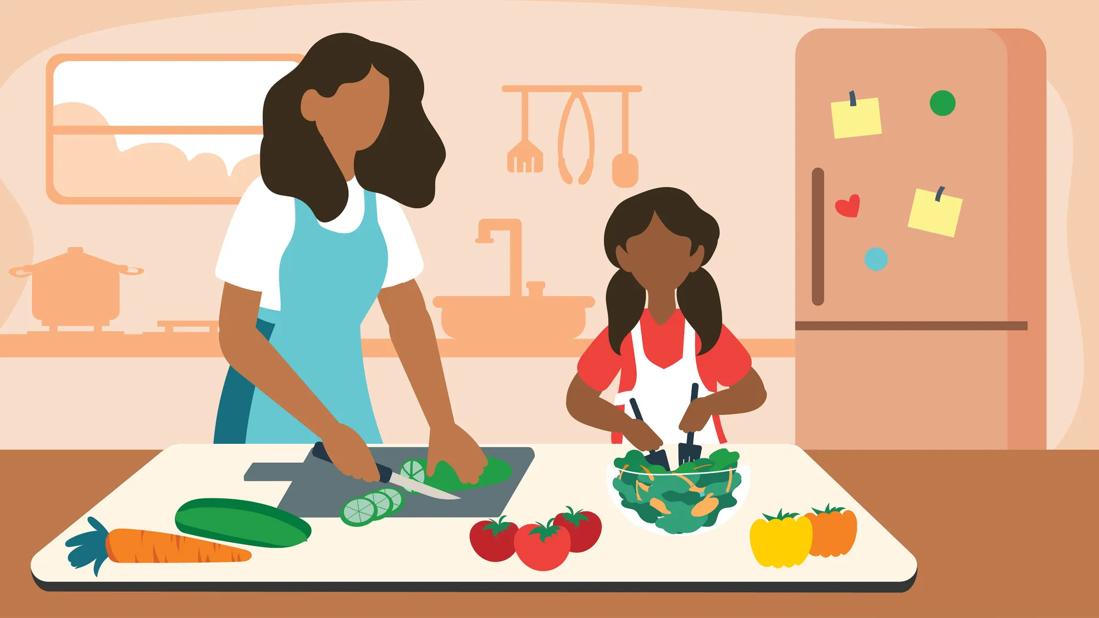
Image content: This image is available to view online.
View image online (https://assets.clevelandclinic.org/transform/43fcfe5c-53dc-4d39-832b-5ed23c8a33f3/mom-child-prepare-salad-2071885115)
Caregiver and child preparing a salad together
If your child is living with phenylketonuria (PKU), the most important way to manage their condition is to help them follow a special eating plan. A PKU diet limits phenylalanine (Phe), an amino acid found in many foods that contain protein.
Advertisement
Cleveland Clinic is a non-profit academic medical center. Advertising on our site helps support our mission. We do not endorse non-Cleveland Clinic products or services. Policy
PKU diets are restrictive, and following one can be a challenge. But pediatric medical geneticist Abigail Kacpura, DO, says understanding which foods to avoid and what they can safely eat is key. Doing so will help both of you feel more confident and in control —and keep them healthy in the long-run.
PKU means your body can’t properly break down phenylalanine, causing it to build up in your blood and brain instead. But high levels of Phe are toxic to the brain, which can lead to developmental delays and intellectual disability.
To keep your child safe, a PKU diet limits how much Phe they consume while making sure they get the nutrients they need.
“The goal isn’t to eliminate Phe entirely,” Dr. Kacpura clarifies. “We just want to keep it within a safe range.”
A PKU diet:
This isn’t the kind of diet you can figure out on your own. It’s important to work with a dietitian to create an eating plan that’s tailored to your child’s medical needs.
“They’ll be given a daily allowance of Phe — the amount of Phe they can have every day,” Dr. Kacpura explains. “You’ll also learn how to track their Phe intake, and you’ll receive other resources that will help you manage their PKU diet in your everyday lives.”
Advertisement
When your child has PKU, even small amounts of certain foods can raise their Phe levels. These foods should be carefully restricted or avoided altogether — but again, always under a dietitian’s careful guidance.
Let’s take a closer look at foods that aren’t part of a standard PKU diet.
Foods that are high in protein are often high in Phe, too. This includes:
All that said, our bodies still need protein to function. So, you’ll work with your child’s healthcare team to figure out exactly what they can and can’t eat, which may include small, measured amounts of the foods on this list.
“It’s important for people with PKU to avoid aspartame, an artificial sweetener that breaks down and becomes Phe when digested,” Dr. Kacpura says. “It’s often in products that are labeled ‘diet’ or ‘sugar-free.’”
Aspartame is found in low-calorie sweeteners with the brand names Nutrasweet®, Equal®, Canderel® and Sugar Twin®. Other foods and products that contain it include (but aren’t limited to):
In the U.S., products that include aspartame legally have to say so on their packaging. To know which products to avoid, look for the warning, “Phenylketonurics: Contains phenylalanine.”
Although the PKU diet limits many common foods, there are still many options that add balance, variety and proper nutrition. Dr. Kacpura explains what foods can be safely eaten while following a PKU diet.
Some foods naturally don’t contain much phenylalanine. Low-Phe foods include:
“Some foods, including many fruits and vegetables, do contain Phe,” Dr. Kacpura points out. “But it’s typically in low enough amounts that you don’t need to measure or track them.”
Specialized medical formulas are another key part of the PKU diet.
“They provide protein without adding phenylalanine,” Dr. Kacpura explains. “They also provide other vitamins and minerals that may be harder to get through diet alone.”
Advertisement
Newborns with PKU start on Phe-free formula as soon as they’re diagnosed, and many people with PKU continue using ready-to-drink or powdered options throughout their lives.
Some companies make low-protein foods — including bread, pasta, rice and baking mixes — that are designed to replace high-Phe foods and keep Phe intake low.
“These products typically contain small, manageable amounts of phenylalanine,” Dr. Kacpura notes. “So, it’s important to count and carefully track your child’s intake to be sure they’re consuming safe amounts.”
Following a PKU diet isn’t like being a vegan. Veganism is often a choice, while PKU is a medical condition. And people with PKU can’t eat many of the foods that vegans can, including legumes, nut butters and soy products.
That said, some vegan-friendly products are safe under a PKU diet, like certain vegan cheeses, milks and desserts.
“They may help you incorporate everyday foods that you or your child couldn’t otherwise have,” Dr. Kacpura says. “But as is always the case with PKU, it’s very important to read labels carefully and thoroughly.”
Some recipes targeted at vegans may also be helpful as you’re looking for PKU-friendly dishes to make at home. They often need to be tweaked less than regular recipes.
Advertisement
There’s no way around it, so we might as well say it: Following a PKU diet can feel incredibly restrictive, and all of that planning and tracking can be both challenging, exhausting and isolating.
But you don’t have to do it alone.
“Working closely with a dietitian and the rest of your child’s healthcare team can help make the diet more manageable,” Dr. Kacpura says. “Following a PKU diet helps ensure that your child is meeting all of their nutritional needs and protecting their brain health for the long term.
Advertisement

Sign up for our Health Essentials emails for expert guidance on nutrition, fitness, sleep, skin care and more.
Learn more about our editorial process.
Advertisement

You’ll work with your provider to weigh the pros and cons of different medications

Stress, dental work and repetitive motions are just a few of the many HAE triggers

Check for common causes, try soothing strategies and know when it’s time to take a break
Spine curvature may be a possible sign of hypochondroplasia, but it typically doesn’t need serious medical intervention

Injections may help your child gain inches and build muscle, but results vary widely

They sound similar, and the two conditions are related, but hypochondroplasia tends to cause milder symptoms
Genes, family history and anatomy can all influence obstructive sleep apnea — but lifestyle factors can, too

ADHD can present differently from child to child and can change with age

Managing your weight through physical activity may lower your chances of getting this common cancer

It typically starts in October and winds down in early spring, with cases at their highest in the middle of winter

Anxiety disorders, health conditions and past trauma can make driving nerve-wracking — help is available
 Search










