Locations:





Edamame, lentils and chicken breast are good sources of protein
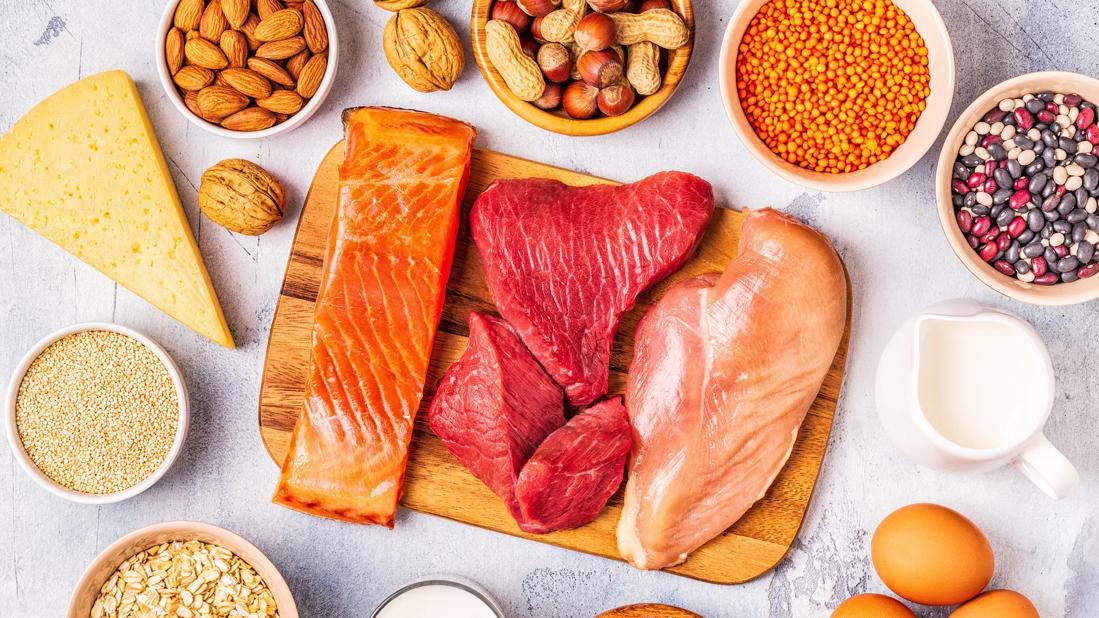
Image content: This image is available to view online.
View image online (https://assets.clevelandclinic.org/transform/5802c4a0-9f02-48d6-88be-21a15b36bffc/high-protein-foods-1145581060)
Selection of high-protein foods, like salmon, chicken, lentils, eggs, nuts and dairy
Everyone seems to be talking about protein. Not only does it help build muscle, but it may even decrease your risk for heart disease and stroke.
Advertisement
Cleveland Clinic is a non-profit academic medical center. Advertising on our site helps support our mission. We do not endorse non-Cleveland Clinic products or services. Policy
While you may be tempted to add protein powder to your morning smoothie or top your latte with protein cold foam, there are plenty of other protein-rich foods you can eat throughout the day.
So, what are the best high-protein foods? Registered dietitian Anna Taylor, RD, LD, CDE, offers her top suggestions and where to find them.
“Edamame (or soybeans) is a fantastic source of protein,” says Taylor. “In the plant world, there are very few sources of protein that have all of the necessary essential amino acids. Soy is one of those rare plant sources of complete protein.”
One-half cup of fresh edamame contains 9 grams of protein.
“Buy them frozen, shelled and unsalted, so you don’t have to do any work,” she adds. “Just throw into stir-fries. Or eat them plain.”
Tofu and tempeh are both made from fermented soybeans. While their taste and texture differ, both are great plant protein sources. Consider using either in dishes as a meat replacement.
Three-fourths of a cup of tofu contains 10 grams of protein and 3 ounces of tempeh contains 18 grams of protein.
“As tofu and tempeh are made from soybeans, they’re also a complete protein,” says Taylor. “They’re versatile, economical and don’t have a strong flavor by themselves, so you can prepare them to taste the way you prefer using herbs, spices and sauces.”
Advertisement
Lentils are another legume powerhouse.
“They’re really economical when you buy them dried,” notes Taylor. “While there are different types of lentils, they’re all similar in terms of their nutritional value.”
One-half cup of cooked lentils contains 9 grams of protein.
Lentils cook fast — in 20 to 30 minutes — so they’re easy to incorporate into soups.
These legumes are also known as garbanzo beans — and they can be used in both sweet and savory dishes to boost protein.
One cup of chickpeas contains 15 grams of protein.
“They’re delicious mashed with avocado to make a sandwich spread, seasoned and roasted with olive oil for a crunchy snack, or pureed with garlic, lemon and tahini to make hummus,” shares Taylor.
Split peas are a legume that packs a punch, says Taylor.
One-half cup of cooked split peas contains 8 grams of protein.
“You can buy them dried and simmer for one to two hours,” she continues. “Split peas work really well in soups because they absorb the liquid. I like to partially puree them with an immersion blender with a lot of vegetables for a nice, hearty, thick soup in the winter.”
“Ounce-for-ounce, boneless, skinless chicken breast is higher in protein than other cuts of beef,” says Taylor. “Plus, chicken doesn’t come with extra saturated fat and, cost-wise, it’s accessible to the average person.”
Three ounces of chicken breast contain 27 grams of protein.
There are countless ways to use chicken breast. Substitute it for beef or pork in recipes or cook it and add it to a salad or sandwich.
In addition to getting a decent amount of protein, salmon is high in omega-3 fatty acids.
“These healthy fats are anti-inflammatory and antithrombotic, which reduces cardiovascular disease risk,” explains Taylor. “These healthy fats literally fight inflammation in the body, which supports autoimmune conditions, like lupus and Type 1 diabetes. They also provide neurological benefits, improving cognitive function and maybe even help prevent Alzheimer’s disease.”
Three ounces of cooked, farmed salmon contains 19 grams of protein.
If you want to eat beef, look for lean sources, which have less saturated fat than other options.
“This means sirloin, round, tenderloin and flank steak, as well as 93% lean ground beef (or higher),” outlines Taylor. “Remember, the higher the fat content, the lower the protein content.”
Four ounces of 93% lean ground beef contains 24 grams of protein.
You may only think of eating turkey during the holidays. But in addition to protein, it’s a good source of vitamin B6, vitamin B12, selenium and zinc.
Advertisement
Three ounces of turkey contains 26 grams of protein.
“Canned tuna is a convenient, healthy food that doesn’t have the saturated fats that clog arteries,” says Taylor. “It’s economical and won’t go bad, so it’s there when you need it.”
Three ounces of canned tuna contains 20 grams of protein.
“Add some plain fat-free Greek yogurt, a tiny bit of mayo and use it on whole grain crackers or bread,” she recommends. “Eat it plain. Or use it in pasta salads. There are lots of ways you can use tuna.”
Plain, fat-free Greek yogurt is one of many high-protein, low-calorie foods. Plus, it has live and active cultures, which are probiotics that help support a healthy gut, says Taylor.
One-half cup of plain, fat-free Greek yogurt contains 11 grams of protein.
“Try Greek yogurt as a substitute for sour cream on tacos or chili,” she suggests. “Or add some frozen fruit at the beginning of the day. By lunch, the fruit will melt and add juice and flavor to the yogurt.”
Cottage cheese works well for people who don’t have a lot of food prep time. Taylor recommends buying a reduced-sodium version when you can find it.
One-half cup of 1% cottage cheese contains 14 grams of protein.
“People often think the yolk is where all the nutrients are, but that’s not true,” clarifies Taylor. “Egg whites are almost pure protein and don’t contain any saturated fat, making them a good high-protein, low-fat food.”
Advertisement
Four egg whites (or one-half cup of egg whites from a carton) contain 13 grams of protein.
Hard-boiled, scrambled or as a substitute in recipes — egg whites can be used in a variety of ways.
If you do want to use whole eggs, two large eggs contain 12 grams of protein, but also more calories and saturated fat.
While all nuts have protein, peanuts and almonds offer the most per serving — making them a good snack option. You just need to be careful about overindulging, as they tend to be higher in calories.
One ounce of dry-roasted peanuts (without salt) contains 7 grams of protein. One ounce of whole, raw almonds contains 6 grams of protein.
A popular way to enjoy nuts, especially peanuts and almonds? As a nut butter. These nut butters can be added to smoothies or toast.
Two tablespoons of smooth peanut butter contain 8 grams of protein. Two tablespoons of almond butter contain 7 grams of protein.
Milk does the body good, right? Dairy milk has 18 of the 22 essential nutrients your body needs. It helps you build strong bones and teeth — and the protein in milk is considered a complete protein.
One cup of 2% milk contains 8 grams of protein.
“If you’re lactose intolerant, but enjoy the taste of cow’s milk, try versions already treated with the lactase enzyme — or take lactase enzyme tablets just before drinking milk,” advises Taylor.
Advertisement
If you’re looking for a good cow’s milk alternative, give soy milk a try. Fortified soy milk has about the same amount of calcium as cow’s milk, is lactose-free and even contains a little fiber.
One cup of soy milk contains 8 grams of protein.
When you think of oats, you probably think of a warm bowl of oatmeal for your morning breakfast. Oats can be used in a variety of ways, from cookies, pancakes and fruit crisp.
One-half cup of old-fashioned, rolled oats contains 5 grams of protein.
You don’t need to carve a jack-o’-lantern to enjoy pumpkin seeds. Also known as pepitas, these seeds are packed full of fiber and protein.
One-fourth of a cup of pumpkin seeds contains 9 grams of protein.
Try adding these tiny seeds to your smoothies. Along with being a protein source, they’re also a great source of fiber and a plant source of omega-3 fatty acids. They have a gel-like consistency when moisture is added, which can be a fun texture for certain foods.
One ounce of chia seeds contains 5 grams of protein.
You’ll find that flaxseed has a mild, nutty taste that makes it a great topping on salads, yogurt or cottage cheese.
“Be sure to grind your flaxseed to maximize the amount of nutrition your body can derive from this little nutrient powerhouse, which also contains fiber and omega-3 fatty acids along with protein,” says Taylor.
Two tablespoons of ground flaxseed contain 4 grams of protein.
Worried you’re not getting enough protein? The amount you actually need can vary from person to person. The recommended dietary allowance (RDA) for protein is a little more than 7 grams per 20 pounds of body weight. Using this guideline, a 140-pound person would need at least 50 grams of protein each day.
“If you’re a healthy adult, with a typical digestive tract and a varied diet, the likelihood of having a protein deficiency is small,” says Taylor. “On the flip side, you can definitely overdose on protein, which could put your kidneys at risk and cause other unwanted side effects. Don’t go overboard with protein.”

Sign up for our Health Essentials emails for expert guidance on nutrition, fitness, sleep, skin care and more.
Learn more about our editorial process.
Advertisement
From sauerkraut to kimchi, these foods can help keep your gut healthy

This East Asian and subtropical fruit is packed with delicious nutrition
Lean meats, fish, dairy and plant proteins can help you meet your protein needs without piling on saturated fat and sugar
Choosing snacks with protein can help curb hunger, support muscle health and keep your energy steady between meals
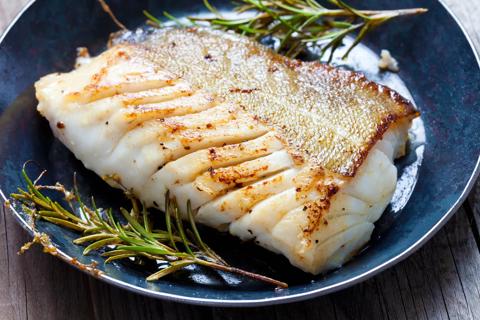
Fish packs plenty of protein, heart-healthy fats and other body-boosting nutrients into every bite
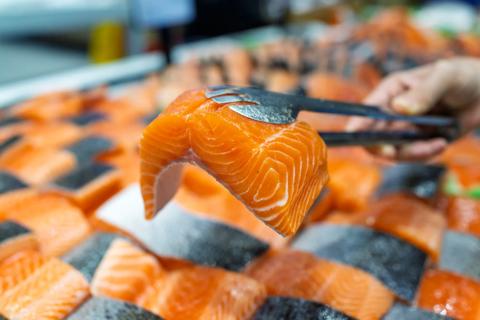
Both are healthy choices, but wild-caught salmon offers a few more benefits
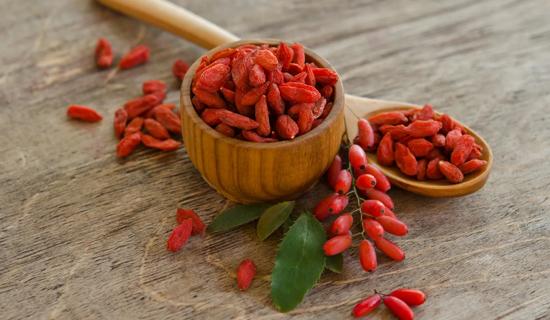
These bright berries are packed with nutrients and antioxidants that may support your eyes, immune system and overall well-being

The general rule is 1.2 to 1.6 grams of protein per kilogram of body weight — but that may not be exactly right for you

Managing your weight through physical activity may lower your chances of getting this common cancer

It typically starts in October and winds down in early spring, with cases at their highest in the middle of winter

Anxiety disorders, health conditions and past trauma can make driving nerve-wracking — help is available
 Search










