Locations:





This starchy root vegetable is a staple in many global cuisines — but it has to be prepared correctly, or it can cause serious concerns
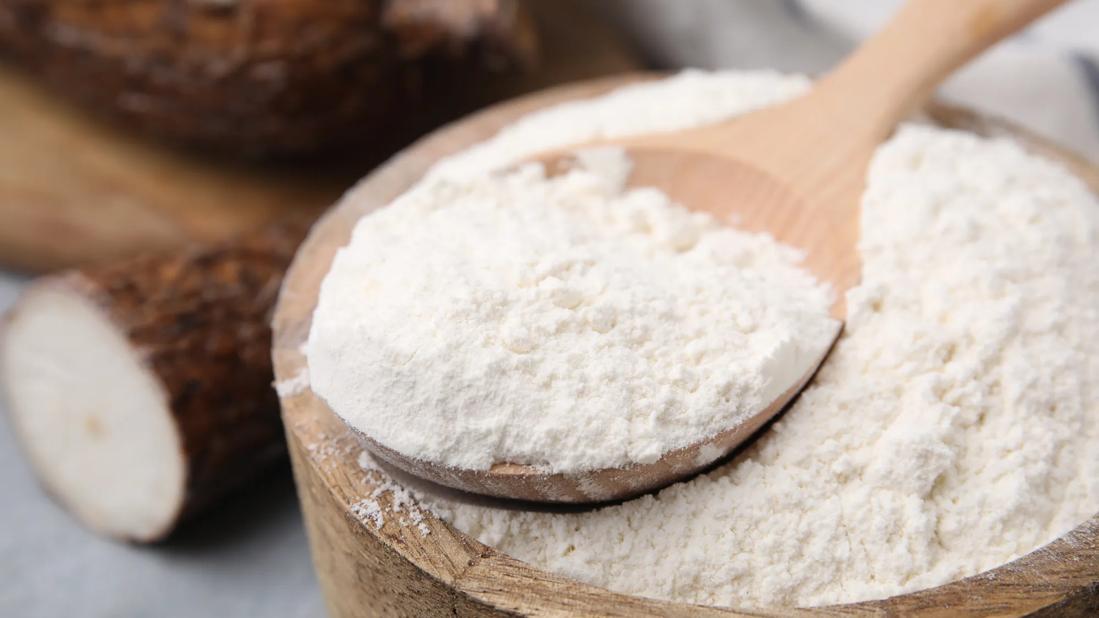
Image content: This image is available to view online.
View image online (https://assets.clevelandclinic.org/transform/80591357-d0d0-4eb0-81cc-74ad057b0525/cassava-yuca-2188287572)
Ground cassava flour in wooden bowl with wooden spoon, with cassava root/yuca nearby
In North America, cassava is best known in the form of tapioca pearls and yuca fries. But in many cultures around the world, this starchy vegetable is an everyday staple used in soups, porridges and doughs.
Advertisement
Cleveland Clinic is a non-profit academic medical center. Advertising on our site helps support our mission. We do not endorse non-Cleveland Clinic products or services. Policy
So, what is cassava, anyway? Registered dietitian Michelle Dodd, RD, LD, explains its nutritional value and how to use it.
Cassava (Manihot esculenta) is a tuber that grows in South America and tropical regions of Africa and Southeast Asia. This starchy root vegetable looks a bit like a stretched-out potato, with a rough, brown skin and a firm, white flesh inside.
Importantly, cassava is hardy enough to resist drought conditions. That makes it a common crop in areas that tend to be hit hard by a lack of rain.
One serving of cooked cassava (3.5 oz. of cooked) contains:
The same serving of cassava also contains a variety of vitamins and minerals:
It’s also sometimes called:
Cassava is also the basis of garri, a type of flour common in West Africa, and tapioca, a starch that’s typically sold in pearls, flakes or flour. Tapioca starch is used to make the chewy pearls you find in boba tea.
Dodd breaks down some of the specific health benefits of cassava.
Advertisement
Cassava is especially high in vitamin C, an important antioxidant that supports a healthy immune system. It also helps protect your body from oxidative stress, a process that can damage your cells and contribute to a variety of health conditions.
“Starch is a high-fiber vegetable, and anything with a good amount of fiber is also very gut-healthy,” Dodd notes.
Fiber supports healthy digestion, helps prevent constipation and keeps you feeling fuller longer.
Plus, cassava gets a gut health boost from resistant starch, a type of carbohydrate that functions a lot like soluble fiber. Resistant starch isn’t as easily digestible as other carbs, which helps feed the “good” bacteria in your large intestine’s microbiome.
Cassava can be ground into a flour that can replace wheat flour in cooking and baking. Because it’s naturally gluten-free and grain-free, it can be a good substitute for people who have a gluten intolerance or celiac disease.
A word of warning, though: Because raw cassava brings some health risks (more on that in a moment), Dodd advises that you not purchase — or try to make — homemade cassava flour.
“To stay safe, it’s always best to buy it from a reputable source, like a grocery store,” she cautions.
Cassava can be a healthy part of your diet, but it has to be prepared correctly. Dodd outlines the downsides — including one serious health risk.
We’ll start with the biggest risk: “If you eat raw cassava or cassava that isn’t prepared correctly, you can get really sick,” Dodd warns. “That’s because it contains compounds called cyanogenic glycosides that, when eaten raw or undercooked, can convert to cyanide in the body.”
Cyanide is a poisonous chemical that affects your body’s ability to use oxygen. In some cases, cyanide poisoning can even be fatal.
That means raw cassava is one vegetable you won’t find on a crudité platter. Before you eat cassava, it should first be peeled, cut and boiled (similar to potatoes).
“Soaking and cooking the cassava gets rid of those cytogenic glycosides and makes it safe to consume,” she affirms.
When you think of vegetables, you probably think of a low calorie count. But cassava is on the calorie-dense side — even when compared to other starchy vegetables, like sweet potatoes and carrots.
“When you’re eating cassava, you do want to be aware of your portion sizes,” Dodd cautions.
Baked goods made with cassava flour are still baked goods, after all, and cassava fries and fritters bring the same health risks as other fried foods.
Advertisement
To some extent, cassava needs to be processed to remove the cyanogenic glycosides. But cassava that’s too processed loses much of its nutritional value.
“When you process a food that’s high in a water-soluble vitamin like vitamin C, much of that vitamin leaches out,” Dodd notes. “You’ll also lose some of the fiber content.”
In other words, you can’t drink a boba tea for lunch and claim to have gotten your fill of vitamin C for the day. (Good try, though!)
There are lots of ways to enjoy cassava. It can be:
“Cassava isn’t as commonly used in American cooking, but it’s popular in a variety of cuisines around the world,” Dodd says. “You can add it to anything you cook in a pan, really — soups, stews or even your morning eggs.”
In West Africa and Caribbean communities, cassava is perhaps best known as the key ingredient in fufu. It’s also the basis of popular Brazilian dishes like farofa and pão de queijo. And sweet cassava features in dessert recipes like Filipino cassava cake and in boba tea (which originated in Taiwan).
Advertisement
Cassava is a nutrient-rich root vegetable that offers fiber, vitamin C and gut-friendly carbohydrates. It’s a staple in cuisines across the world and can be a healthy addition to your diet — so long as it’s prepared correctly.
Advertisement

Sign up for our Health Essentials emails for expert guidance on nutrition, fitness, sleep, skin care and more.
Learn more about our editorial process.
Advertisement
From sauerkraut to kimchi, these foods can help keep your gut healthy
This East Asian and subtropical fruit is packed with delicious nutrition
Lean meats, fish, dairy and plant proteins can help you meet your protein needs without piling on saturated fat and sugar
Choosing snacks with protein can help curb hunger, support muscle health and keep your energy steady between meals
Fish packs plenty of protein, heart-healthy fats and other body-boosting nutrients into every bite
Both are healthy choices, but wild-caught salmon offers a few more benefits
These bright berries are packed with nutrients and antioxidants that may support your eyes, immune system and overall well-being

The general rule is 1.2 to 1.6 grams of protein per kilogram of body weight — but that may not be exactly right for you

Managing your weight through physical activity may lower your chances of getting this common cancer

It typically starts in October and winds down in early spring, with cases at their highest in the middle of winter

Anxiety disorders, health conditions and past trauma can make driving nerve-wracking — help is available
 Search










