Locations:





The tropical fruit is a good source of antioxidants and vitamin C
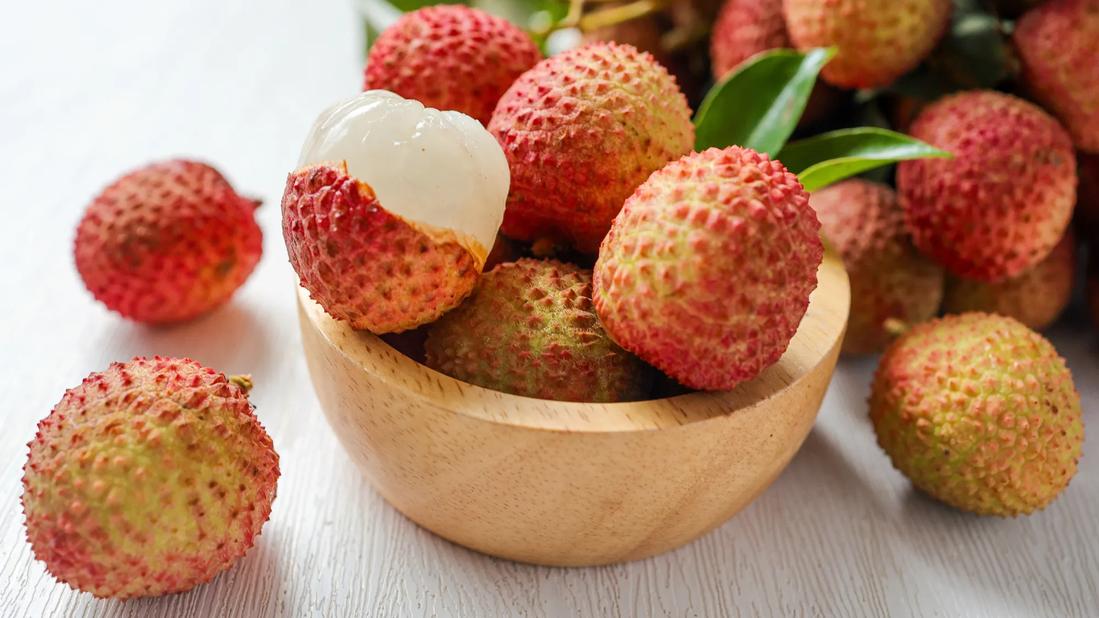
Image content: This image is available to view online.
View image online (https://assets.clevelandclinic.org/transform/7efb7eb3-658a-47c6-be46-94d203d843d5/lychee-fruit-2216834120)
Lychee fruits scattered on table and in bowl
Lychees are small, tropical fruits that are known for having a sweet and flowery taste. Much like other fruits, you’ll need to remove the inedible pink skin and dark seeds before eating its white flesh.
Advertisement
Cleveland Clinic is a non-profit academic medical center. Advertising on our site helps support our mission. We do not endorse non-Cleveland Clinic products or services. Policy
While there hasn’t been a lot of research on the fruit, registered dietitian Julia Zumpano, RD, LD, shares what we know about the potential benefits of lychee.
The lychee fruit, which is native to China, contains certain vitamins, minerals and antioxidants that can promote good health. It’s also known as litchi or lychee nuts — and resembles a large, spiky strawberry.
One cup (or 190 grams) of lychee has approximately:
It also provides these nutrients:
Zumpano explains some of the potential benefits of lychee.
“Lychees contain various plant antioxidants, including epicatechin, which is also found in green tea,” shares Zumpano. “In fact, lychee has been reported to contain higher levels of polyphenols than several other common fruits.”
Epicatechin may help with your heart health. And lychee also contains rutin, a flavonoid that may protect against diabetes and heart disease. But more research is needed to fully understand how these antioxidants found in lychee can specifically benefit your health.
Vitamin C is an essential nutrient that you need to get from the food you eat. It can help boost your immune system, heal wounds and improve your skin.
Advertisement
While you may turn to citrus fruits to help get your daily boost of vitamin C, consider mixing things up by adding lychee to your smoothie or eating the fresh fruit as an afternoon snack.
Preliminary research shows that lychee seeds and lychee seed extract may help decrease how quickly blood sugar rises.
“In recent years, various phytochemical components, such as quercetin, have been identified in the lychee seed,” says Zumpano. “This may mean that lychee seeds are a relatively safe and inexpensive complementary treatment for diabetes and diabetes complications.”
But Zumpano stresses more research is needed — especially as lychee seeds can be slightly toxic if eaten raw.
While lychee is safe for most people to eat, Zumpano points out that some may have an allergic reaction to the fruit.
There aren’t many human studies that are focused on the health benefits of lychee. But the tropical fruit is full of antioxidants and vitamins like vitamin C.
You can typically find fresh or canned lychee at your local grocery store or specialty markets.
“Be sure you choose canned fruit in its own juice and not in a syrup, which can add a significant amount of added sugar,” cautions Zumpano.
Try using lychee in smoothies, cocktails or sorbets. You can even add the fruit to a stir-fry, soup or salad.
“Lychee is a great fruit to try,” says Zumpano. “So, experiment with it in your meals and have fun. It’s a reminder that good nutrition doesn’t have to be complicated or boring.”
Advertisement

Sign up for our Health Essentials emails for expert guidance on nutrition, fitness, sleep, skin care and more.
Learn more about our editorial process.
Advertisement

This East Asian and subtropical fruit is packed with delicious nutrition

Lean meats, fish, dairy and plant proteins can help you meet your protein needs without piling on saturated fat and sugar

This citrus fruit delivers vitamin C, fiber and other nutrients that can support your heart, immune system and skin

Protein is essential in your diet, but piling more onto your plate isn’t always better

Both are healthy choices, but wild-caught salmon offers a few more benefits

This vibrant purple yam offers vitamin C, fiber and antioxidants in every bite
These bright berries are packed with nutrients and antioxidants that may support your eyes, immune system and overall well-being

The general rule is 1.2 to 1.6 grams of protein per kilogram of body weight — but that may not be exactly right for you

Managing your weight through physical activity may lower your chances of getting this common cancer

It typically starts in October and winds down in early spring, with cases at their highest in the middle of winter

Anxiety disorders, health conditions and past trauma can make driving nerve-wracking — help is available
 Search