Locations:





The flavorful herb is full of antioxidants that may help regulate blood sugar
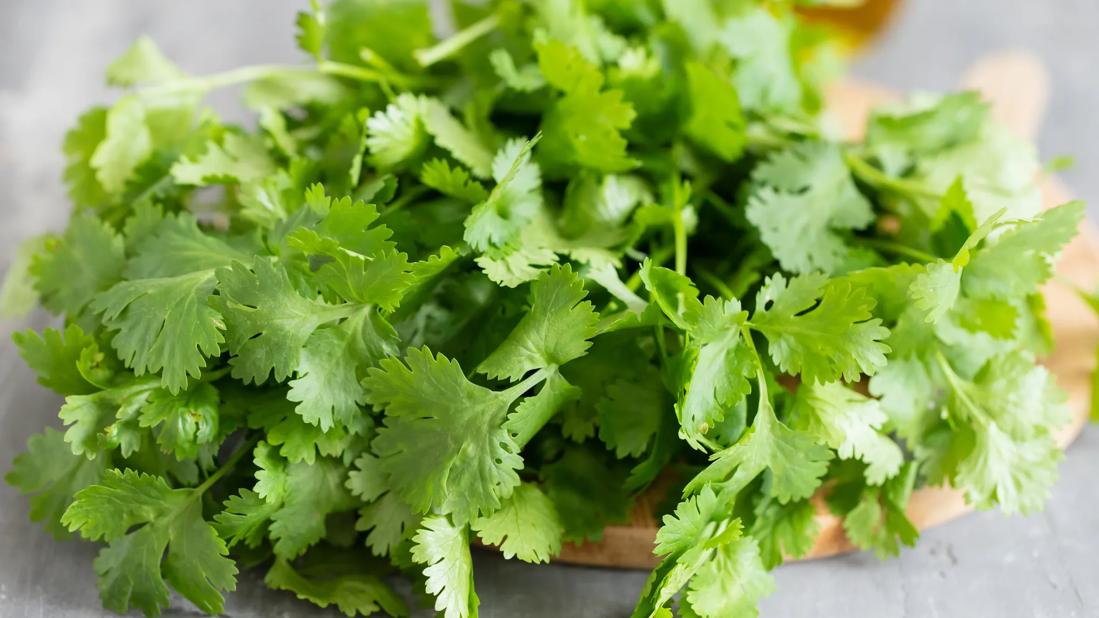
Image content: This image is available to view online.
View image online (https://assets.clevelandclinic.org/transform/009f1bba-423f-48e1-8935-f50b9b57fe21/cilantro-1382348187)
Fresh bunch of cilantro on cutting board
You’ve probably sprinkled a little cilantro on top of your tacos, pad thai or pho. But is cilantro good for you?
Advertisement
Cleveland Clinic is a non-profit academic medical center. Advertising on our site helps support our mission. We do not endorse non-Cleveland Clinic products or services. Policy
It can be. Research shows that cilantro benefits may include regulating blood sugar levels, supporting brain health and more.
“Cilantro is an herb that’s very popular in a lot of Mexican, Caribbean and Southeast Asian cooking,” says registered dietitian Alexis Supan, RD, LD. “It’s primarily used to add flavor to a dish.”
The fresh leaves and stems — which are known as cilantro in the United States — comes from the Coriandrum sativum plant. In many countries and cultures, the herb is called coriander, not cilantro. In the U.S., that term is usually reserved for the seeds or dried leaves.
A quarter cup (or 4 grams) of cilantro has approximately:
It also provides these nutrients:
“Cilantro is also really high in flavonoids and carotenoids — all those good antioxidants that help keep us healthy,” says Supan.
Supan explains what we know about how cilantro may benefit your health.
Research is ongoing in this area, though human studies are still needed.
“Studies are still exploring if cilantro may lower or help with blood sugar regulation,” shares Supan. “Some research highlights specific enzymes in cilantro that help bring down blood sugar.”
Advertisement
More research in humans is still needed, but as cilantro contains antioxidants, like lutein, it may help decrease inflammation in your brain.
“We know decreasing inflammation in the brain helps reduce the risk of Alzheimer’s disease and Parkinson’s disease,” reports Supan. “But there needs to be more studies to understand if there’s a connection between brain health and eating cilantro.”
Cilantro contains the antimicrobial compound dodecanal, which may help your body fight off foodborne illnesses, like salmonella. But Supan says that this is just a theory and more research is needed.
“There aren’t any studies where someone ate food that contained both salmonella and cilantro and determined that the cilantro prevented food poisoning,” she adds.
All those antioxidants in cilantro can help ease your pain. Research shows that a syrup made from the coriander plant may help relieve migraine pain.
“Antioxidants help decrease the activity of free radicals,” explains Supan. “When we eat food with antioxidants, they latch onto the free radicals — and that can help decrease inflammation and pain.”
There’s no specific amount, says Supan. In most cases, you’re not eating a lot of cilantro, as it’s typically used as a garnish in dishes.
“You can add more to your meals, if you’d like, but not to the point that you’re ruining your food by using excessive amounts of cilantro,” she advises.
Generally, it’s safe to eat cilantro. But some people may experience an allergic reaction.
Also, if you have low blood sugar, Supan says to take caution when eating the herb.
“You don’t have to avoid cilantro, but it’s something that’s good to pay attention to,” she recommends. “If you do eat a meal with a lot of cilantro, you may need to adjust what else you eat accordingly.”
And one of the biggest things people may notice about cilantro? The taste. For some people, it can taste like soap (you can thank your genes for that!).
“There’s nothing so impressive about the health benefits of cilantro that should make you feel compelled to leave it in your diet when you don’t like the taste,” says Supan.
Not only is cilantro flavorful, but it’s also full of antioxidants that can benefit your health. Another great reason to add some cilantro to your dishes?
“Like any other herb or spice, the more you cook with cilantro, the less salt you consume,” notes Supan.
While you may already be adding it to your burritos or tacos, Supan says the possibilities are endless.
Advertisement
“Try some Southeast Asian, Thai and Vietnamese recipes,” she suggests. “And you can easily just sprinkle cilantro other meals you’re already making, like chicken and rice.”
Advertisement

Sign up for our Health Essentials emails for expert guidance on nutrition, fitness, sleep, skin care and more.
Learn more about our editorial process.
Advertisement
From sauerkraut to kimchi, these foods can help keep your gut healthy

This East Asian and subtropical fruit is packed with delicious nutrition
Lean meats, fish, dairy and plant proteins can help you meet your protein needs without piling on saturated fat and sugar
Choosing snacks with protein can help curb hunger, support muscle health and keep your energy steady between meals
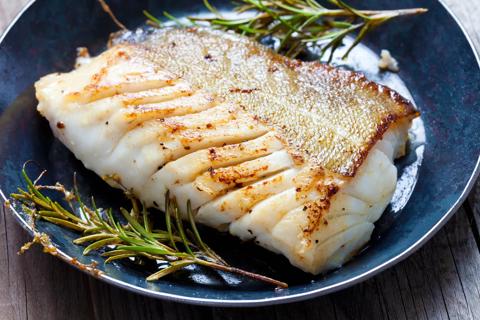
Fish packs plenty of protein, heart-healthy fats and other body-boosting nutrients into every bite

Both are healthy choices, but wild-caught salmon offers a few more benefits
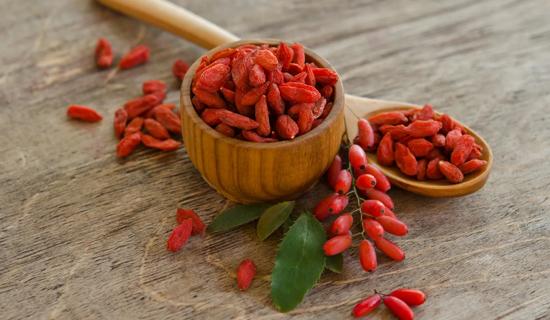
These bright berries are packed with nutrients and antioxidants that may support your eyes, immune system and overall well-being

The general rule is 1.2 to 1.6 grams of protein per kilogram of body weight — but that may not be exactly right for you

Hormonal changes, a slower metabolism and muscle loss can make weight gain more common around menopause — healthy habits can help you manage it

Life-threatening complications include sepsis, stroke, pneumonia and more

Fruity-smelling breath can happen when your body burns fat for energy, and in some cases, can signal a medical emergency
 Search










