Locations:





From tips on managing chronic conditions to preventive care strategies, improve your overall health with our primary care insights.
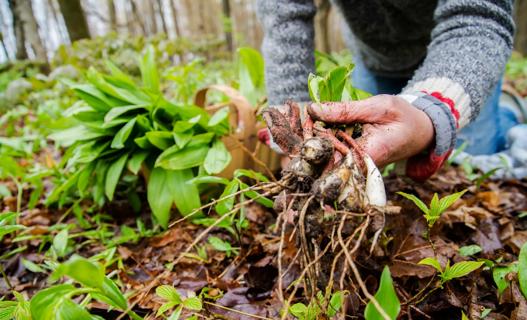
Searching nature for edible items requires training and knowledge to avoid poisonous plants

Unless you have other symptoms, green urine is probably a souvenir from food, dyes or medicine
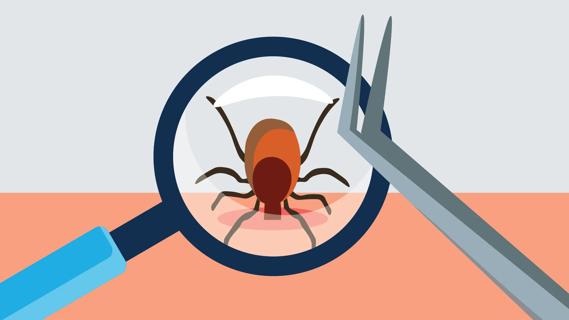
If you find a tick attached to your skin, pulling it out the right way can lower your risk of infection
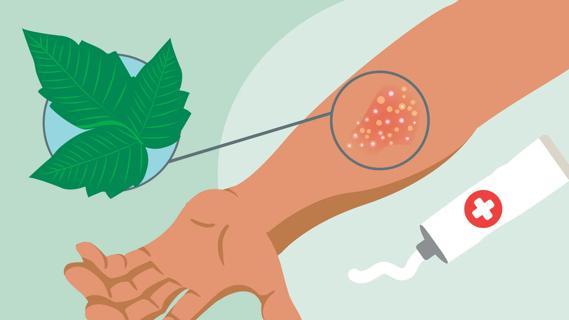
Topical creams, oral antihistamines and some TLC for your skin can help relieve itchiness and boost recovery
Advertisement
Cleveland Clinic is a non-profit academic medical center. Advertising on our site helps support our mission. We do not endorse non-Cleveland Clinic products or services. Policy
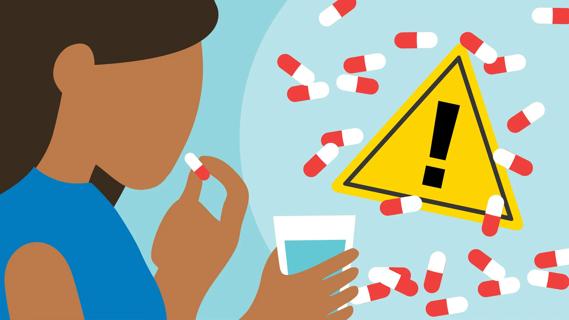
Lower your risk by sticking to the right dose and avoiding long-term use without medical guidance
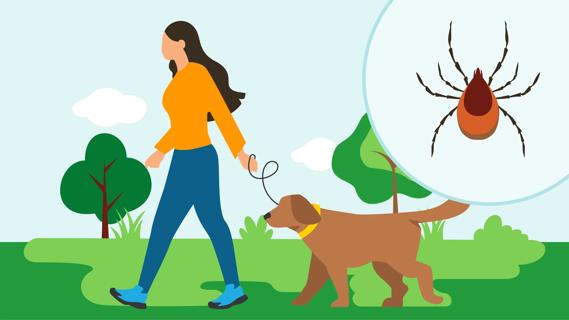
Taking proper precautions — like wearing long pants and using bug spray — can protect you against Lyme disease and other tick-borne illnesses

Warm up the affected area slowly and seek care for severe burns
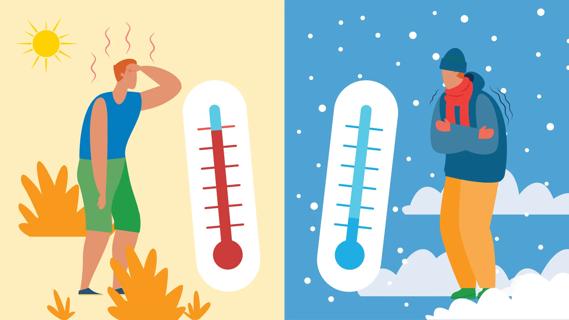
OTC meds, rest, fluids and an anti-inflammatory diet can help you get through big and small weather changes
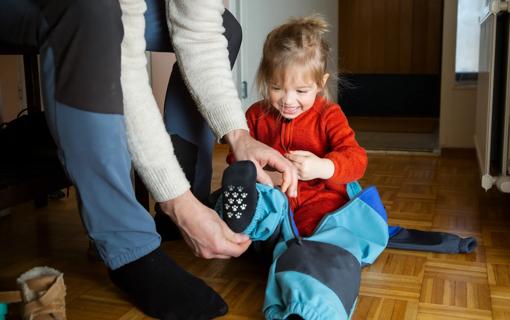
Dressing in multiple layers, drinking warm liquids and taking breaks indoors can help prevent these cold-weather injuries
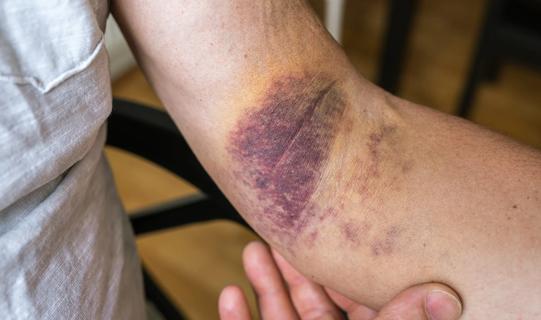
Medications, vitamin deficiencies and age can make you bruise more easily
Advertisement
Advertisement
 Search