Locations:





A disease can be diagnosed, while an illness is something you feel or experience
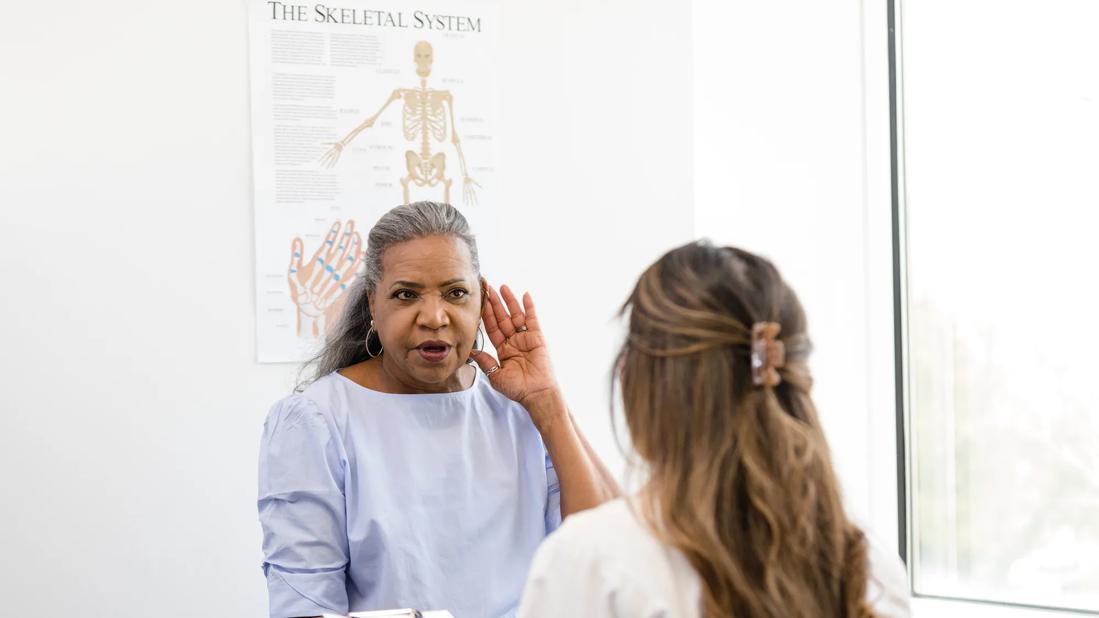
Image content: This image is available to view online.
View image online (https://assets.clevelandclinic.org/transform/728f348a-de95-4745-9210-205ea44285c2/doctor-visit-1483051981)
Woman cupping her hand to her ear trying to hear the healthcare provider
When people talk about their health, they often use the words “illness” and “disease” interchangeably. Maybe you’ve “got an illness” or your provider diagnosed you “with a disease.” But do these words really mean the same thing — and why does it matter?
Advertisement
Cleveland Clinic is a non-profit academic medical center. Advertising on our site helps support our mission. We do not endorse non-Cleveland Clinic products or services. Policy
Turns out, these terms have different meanings. And knowing the difference can help you better understand and advocate for your health. Internal medicine physician Manjaree Daw, MD, explains.
A disease is a disorder that interferes with your body’s normal functions.
“Typically, a disease is something that your physician diagnoses, using a combination of your medical history, physical exam and test results,” explains Dr. Daw.
Although the word “disease” sounds serious, it’s not necessarily a life-threatening situation.
“Diseases can be minor, temporary issues or serious, long-term conditions,” she adds. “Sometimes, a disease can’t be avoided, but other times, there are things you can do to prevent disease.”
There are thousands of known human diseases, and they’re often categorized based on their causes. Examples include:
Advertisement
An illness is an imbalance in your physical, mental or psychosocial sense of well-being. It’s based on how you feel and/or what you perceive.
“If you have an illness, something feels off or you feel unwell,” clarifies Dr. Daw. “It’s what makes you go to your doctor and they work with you to determine what’s causing it.”
A headache is a common example of an illness.
“You might get a headache from stress or staring at a computer too long,” illustrates Dr. Daw. “You don’t feel well, and those feelings are real. But a headache alone isn’t a disease, and you can’t see it on an imaging test.”
That doesn’t mean an illness is unimportant.
“If you feel ill, your doctor is here to help,” she continues. “Maybe you don’t need treatment in the traditional sense, like surgery or medication. But you and your healthcare practitioner can work together to address it so you can feel better. And sometimes, an illness can be a symptom of a serious disease, so we don’t want to ignore it.”
Another example of an illness is fatigue, or extreme tiredness.
“Fatigue can be a symptom of a disease, like depression or anemia,” says Dr. Daw. “But you might also have fatigue because you’re working long hours and aren’t sleeping enough. Or maybe you’re caring for an aging parent and a young child and feel very stressed and overwhelmed. An illness like fatigue is something we need to investigate so we can try to figure out what’s causing it.”
Other examples of illnesses include:
Whether you call it a disease or an illness, if it’s interfering with your life, it matters. And that’s why everyone needs a trusted medical provider in their corner.
“Your physician is your health advocate,” emphasizes Dr. Daw. “Whether you have great health and want to continue to have great health or you need complex medical care, you deserve to have the best possible quality of life. And we want to help you achieve that.”
Advertisement

Sign up for our Health Essentials emails for expert guidance on nutrition, fitness, sleep, skin care and more.
Learn more about our editorial process.
Advertisement

This analogy can help you explain the daily struggle of chronic pain

This simple grounding technique uses sights, sounds and movement to bring your attention to the present moment
This experimental peptide isn’t approved to treat or prevent any health condition

This modern twist on a traditional sauna may help support heart health, soothe sore muscles, manage pain and more
Abruptly ending treatment often comes with weight regain and other issues

Managing your weight through physical activity may lower your chances of getting this common cancer

Nocturnal emissions are a natural part of growing up and nothing to worry about
This hormone may affect your weight, but it doesn’t usually act alone
Eyes typically increase to full size during two growth spurts in childhood
To start, opt for calorie-dense foods that are rich in protein and healthy fats

Pre-birth injections and monoclonal antibodies can help prevent serious complications
 Search










