Locations:





 Search
Drinking alcohol reduces the release of a hormone that helps maintain your body’s fluid levels

That uneasy, anxious feeling after drinking is real, and it’s tied to how alcohol affects your brain and body

This ‘harm reduction’ approach to sobriety involves subbing one substance for another — a method that isn’t backed by research
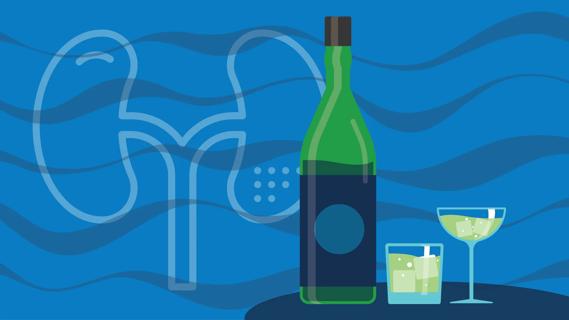
Long-term, heavy alcohol use can double your risk of chronic kidney disease
Advertisement
Cleveland Clinic is a non-profit academic medical center. Advertising on our site helps support our mission. We do not endorse non-Cleveland Clinic products or services. Policy

Alcohol is a depressant and can interfere with your sleep, mood and more

Your tolerance decreases with age, thanks to body changes, health conditions and medications you may take
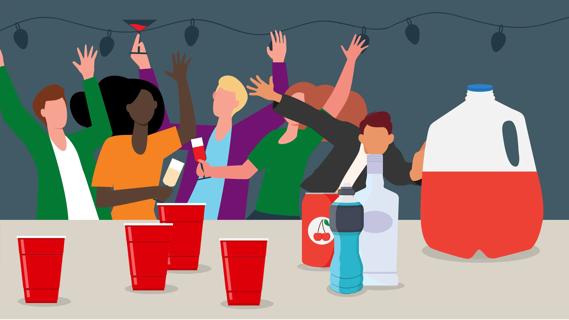
‘Blackout rage gallons’ can lead to dangerous levels of alcohol consumption
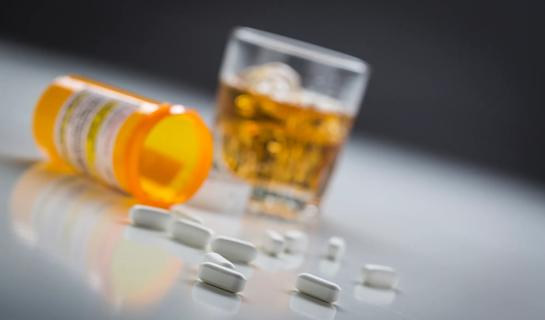
This fast-acting anxiety medication should never be taken with alcohol, despite what you may see on The White Lotus

Yes, grabbing a few beers or a couple of glasses of wine or cocktails with friends can increase your heart rate — dangerously in some cases
A late-night cocktail can disrupt your sleep cycle in a way that undermines the quality of your rest
Advertisement
Advertisement