Locations:





From tips on managing chronic conditions to preventive care strategies, improve your overall health with our primary care insights.

Choose the ER when delaying care could have serious or even life-threatening consequences

Self-stimulating behaviors can help you self-regulate or cope with intense emotions
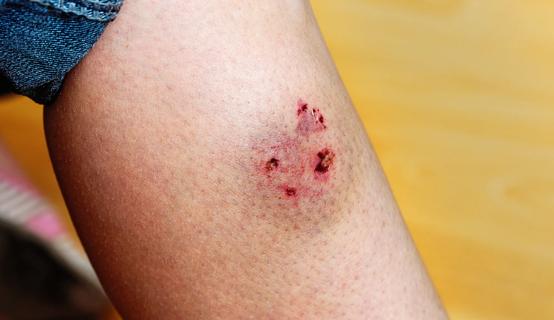
To lower the risk of infection, any bite that breaks skin should be treated by a healthcare provider as soon as possible — ideally, the same day

Get help if it lasts more than a couple days or comes with other worrying symptoms
Advertisement
Cleveland Clinic is a non-profit academic medical center. Advertising on our site helps support our mission. We do not endorse non-Cleveland Clinic products or services. Policy
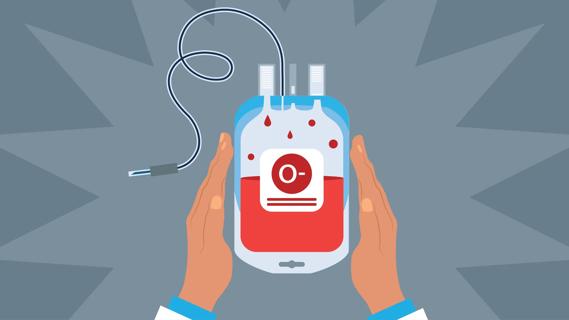
People of any blood type can receive type O negative red blood cells (but not plasma and platelets)

Symptoms like constant fatigue, shortness of breath and chills could all be signs of low iron

Antibacterial soap hasn’t been shown to be any more effective at killing germs than regular soap and water

Second opinions can help you confidently move forward with a decision about your healthcare

Managing stress, using good posture, stretching, getting enough sleep and hydrating can all work to help keep the pain away
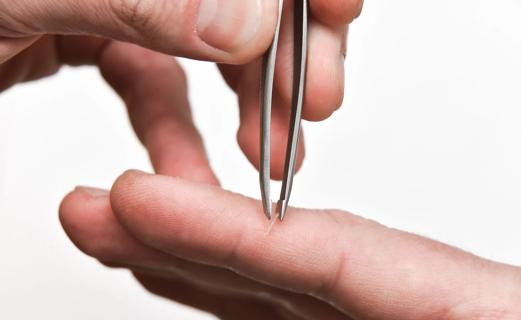
Start with the basics: Wash your hands well and clean the affected area with soap and water
Advertisement
Advertisement
 Search