Locations:





To lower the risk of infection, any bite that breaks skin should be treated by a healthcare provider as soon as possible — ideally, the same day
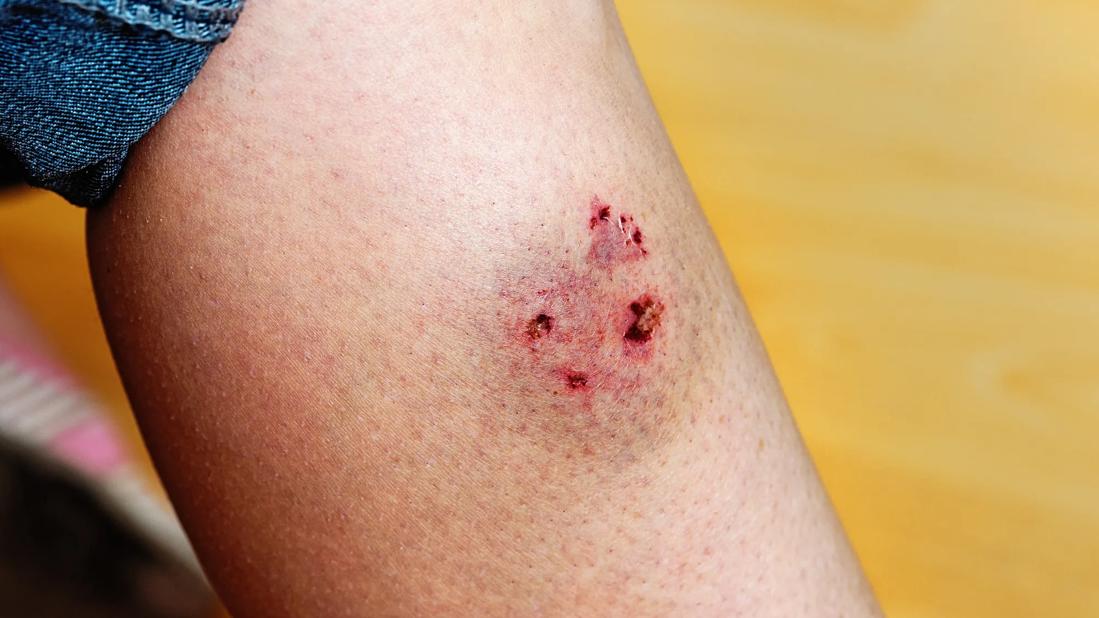
Image content: This image is available to view online.
View image online (https://assets.clevelandclinic.org/transform/862c4c24-08ed-4613-991e-c9408cad2e9f/dog-bite-wound-970114862)
Leg with fresh animal bite wound
You’ve been bitten by a dog. Ouch! But now what?
Advertisement
Cleveland Clinic is a non-profit academic medical center. Advertising on our site helps support our mission. We do not endorse non-Cleveland Clinic products or services. Policy
Even if you think your injury is minor or “no big deal,” there are steps you need to take immediately to treat the wound. And any bite that breaks skin needs same-day medical attention.
“The top concern with dog bites is infection,” says emergency medicine physician Stephen Sayles III, MD. “In some cases, you may need antibiotics or even hospitalization, so it’s really important to see a doctor as soon as you can after being bitten.”
Dr. Sayles explains what to do after a dog bite and why the risk of infection is so high when it comes to this type of wound.
A dog’s front teeth grab and compress your tissue, while their smaller teeth tear the skin. The result is an open, jagged wound. If you’re bitten, take these steps right away:
Dog bites are prone to infection, so that last step is essential.
“The sooner you’re seen, the lower your risk of infection,” Dr. Sayles emphasizes. “If you have diabetes or are immunocompromised, the risk is even higher — so don’t delay.”
Advertisement
But why are dog bites at such a high risk of getting infected? It all comes down to the bacteria in dogs’ mouths. Dog bites can introduce bacteria like Pasteurella, Staphylococcus and Streptococcus.
Overall, roughly 3% to 18% of dog bites become infected. And Dr. Sayles says that Pasteurella is found in about half of them.
“There’s also the possibility that unvaccinated or feral dogs can carry and transfer rabies and rare diseases,” he adds. “So, your doctor will want to know as many details as you can provide about the dog that bit you — including whether it’s been vaccinated and if it’s available for observation.”
In addition to asking about the dog that bit you, here’s what else your healthcare provider may do:
Wondering about stitches?
“It depends on the wound,” Dr. Sayles says. “For bites in certain locations — like the face — or for clean, low-risk wounds, your provider may close the wound with stitches. But for bites that are at higher risk of infection, like those on the hands, the wound may be left open to heal on its own.”
Your provider will make that call based on the bite’s location, depth and risk of infection.
“Ultimately, caring for a dog bite is about keeping bacteria from causing an infection,” Dr. Sayles says. While your bite is healing, you should:
During this time, it’s critical that you watch for signs of infection, like:
Advertisement
If you notice any of these symptoms, seek immediate medical attention at an emergency department or urgent care facility.
There’s no clear timeline for how long it takes for a dog bite to heal. It all depends on specifics, like:
Minor dog bites typically heal within about two weeks, Dr. Sayles says, while severe bites can take months to heal — especially if they require stitches or surgery, or if they become infected.
And signs of even minor bites can stick around longer than you might expect.
After the skin scabs over or the scabs fall off, you may still feel hard lumps beneath your skin. These are typically hematomas, pooled blood beneath the surface, which can take weeks to heal — even after the skin around them has closed. Other injuries, like bone bruises and muscle contusions, can also take months to fade.
One more thing: If you’ve been attacked by a dog, don’t ignore any emotional trauma you experience afterward. Anxiety and hypervigilance are common after dog attacks — some people may experience post-traumatic stress disorder (PTSD).
“Even after your physical wounds have healed, it’s important to tend to your mental health and well-being,” Dr. Sayles advises. “If you’re struggling in the aftermath of a dog attack, talk to a mental health provider who can help.”
Advertisement
Advertisement

Sign up for our Health Essentials emails for expert guidance on nutrition, fitness, sleep, skin care and more.
Learn more about our editorial process.
Advertisement
The risk of infection makes fast and thorough treatment critical
This persistent myth isn’t true and can actually cause more pain than relief

Poisons are inhaled, ingested or absorbed by your skin, while venoms are delivered by bites and stings
An urgent care physician weighs in on what to do

This multitasker can help keep your skin clear, support wound healing and disinfect surfaces around your home
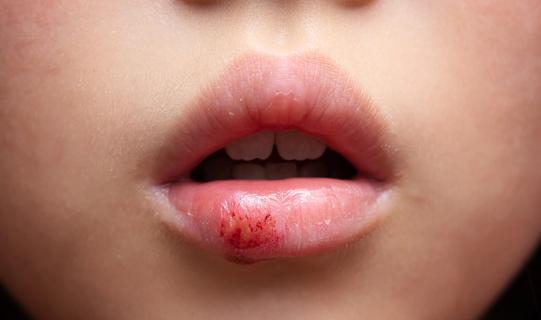
The first step is flushing out the cut with clean, cold water
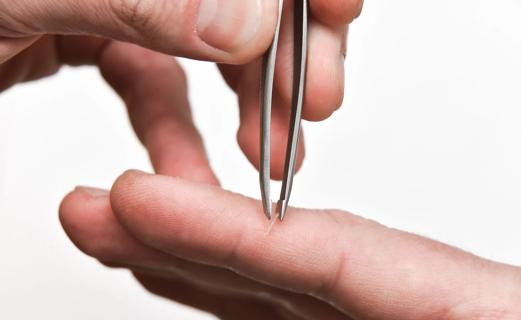
Start with the basics: Wash your hands well and clean the affected area with soap and water
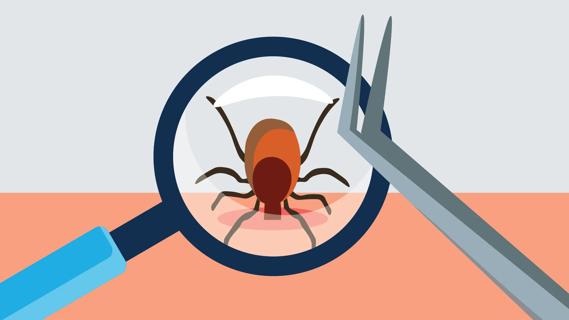
If you find a tick attached to your skin, pulling it out the right way can lower your risk of infection

Hormonal changes, a slower metabolism and muscle loss can make weight gain more common around menopause — healthy habits can help you manage it

Life-threatening complications include sepsis, stroke, pneumonia and more

Fruity-smelling breath can happen when your body burns fat for energy, and in some cases, can signal a medical emergency
 Search










