Locations:





Get help if it lasts more than a couple days or comes with other worrying symptoms
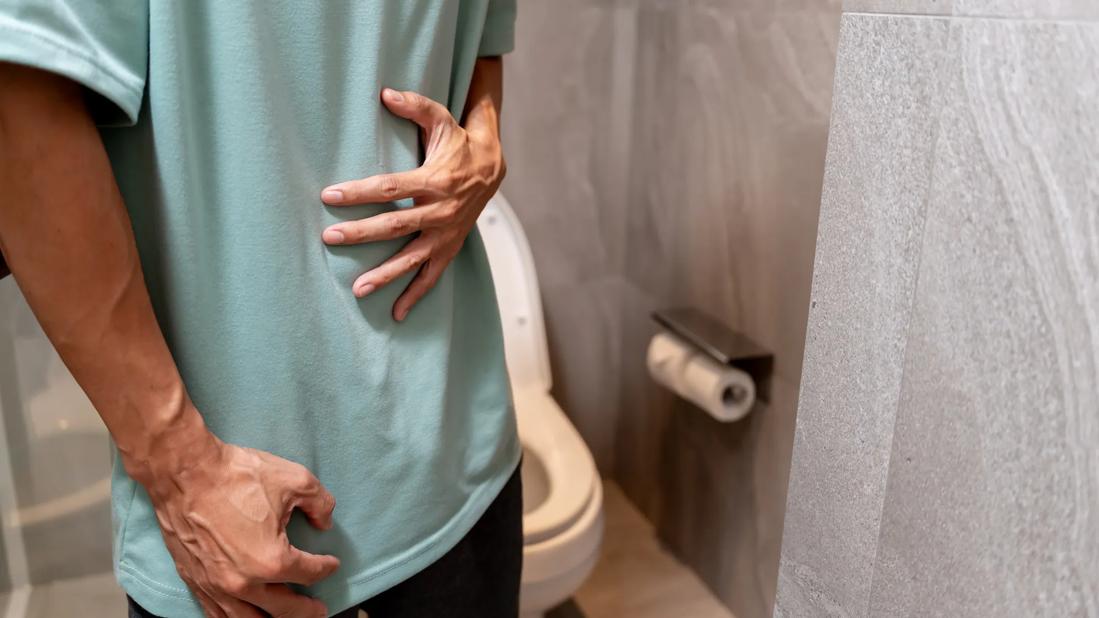
Image content: This image is available to view online.
View image online (https://assets.clevelandclinic.org/transform/0e500a4c-0773-4858-9267-cc881860663b/diarrhea-2266041692)
Person standing in bathroom stall, with one hand clenched and the other hand on their stomach
When you’re laid low with diarrhea, the last thing you want to do is have a conversation about it — with a healthcare provider or anyone else. But sometimes it can’t be avoided.
Advertisement
Cleveland Clinic is a non-profit academic medical center. Advertising on our site helps support our mission. We do not endorse non-Cleveland Clinic products or services. Policy
Family medicine specialist Neha Vyas, MD, explains when to see a doctor for diarrhea and when it counts as an emergency.
Diarrhea can be extremely uncomfortable, but you only need to seek medical help if:
You may also want to reach out to a provider if you or a loved one is at high risk of complications from a severe bout of diarrhea. That includes:
Advertisement
You can probably get by with a telehealth appointment for diarrhea if you:
Try to get an in-person appointment with your primary care provider (PCP) if you:
If you need same-day treatment for severe symptoms and can’t get in to see your PCP, go to an express care or urgent care center.
Diarrhea is an emergency if you:
Severe diarrhea is also an emergency for very young infants.
“In any of these situations, you should call emergency services or have someone take you to the nearest emergency room (ER) right away,” Dr. Vyas stresses. “Don’t drive yourself.”
Sure, there are times when a doctor needs to be involved. But what if you’re dealing with a standard bout of diarrhea? Here’s what to do when your gastrointestinal situation doesn’t merit medical attention.
Advertisement
Chances are, this episode will pass with little more than rest and fluids to help it along. But if you have questions or something seems off, pick up the phone. With diarrhea, it’s always better to be safe than sorry.
Advertisement

Sign up for our Health Essentials emails for expert guidance on nutrition, fitness, sleep, skin care and more.
Learn more about our editorial process.
Advertisement
For a more efficient and pleasant bathroom routine, raise your feet onto a small stool and don't overdo the wiping
Bowel movement frequency varies person to person, ranging from a few times a day to a few times per week
There’s usually a simple answer, like what you ate, but the color can also be a cause for concern

Excess mucus, ulcers, a high-fat diet and pancreatic conditions can make stool sticky

Stomach bugs, foods and excess bile or fats can cause yellow diarrhea

Diet offers a rainbow of possibilities when it comes to the hue of your stool

Yes, diarrhea is common after drinking too much alcohol — and the best treatment is to hydrate and wait it out

Keep the menu plain and simple and make sure you stay hydrated

Hormonal changes, a slower metabolism and muscle loss can make weight gain more common around menopause — healthy habits can help you manage it

Life-threatening complications include sepsis, stroke, pneumonia and more

Fruity-smelling breath can happen when your body burns fat for energy, and in some cases, can signal a medical emergency
 Search










