Locations:





Gradually increasing your training, choosing proper footwear and listening to your body can help keep shin pain from sidelining your workouts

Image content: This image is available to view online.
View image online (https://assets.clevelandclinic.org/transform/c2ad449d-79a5-4b05-906b-c295e47e2c54/stretching-legs-before-workout-2205433587)
Perons outside on paved path stretching their leg
Maybe you’re training for your first marathon. Or you’ve been spending long hours rehearsing in the dance studio. Or perhaps you’re getting back to the gym after some time away.
Advertisement
Cleveland Clinic is a non-profit academic medical center. Advertising on our site helps support our mission. We do not endorse non-Cleveland Clinic products or services. Policy
And just as you’re hitting your stride, a nagging ache along the inside of your shin starts turning every step into a painful slog.
Sounds like shin splints, also called medial tibial stress syndrome (MTSS).
“Shin splints are an overuse injury,” says sports medicine physician Anne Rex, DO. “They happen when the stress you put on your lower legs outpaces your body’s ability to recover and adapt.”
The good news? They’re often preventable.
Anyone can develop shin splints, but they’re especially common in runners, dancers and military recruits, as well as people who are new to exercise or just getting back to working out. You can also be prone to them if you have flat feet or stiff arches.
Fortunately, a few simple changes to your training routine can go a long way toward keeping that nagging shin pain at bay.
Dr. Rex recommends these strategies to help prevent shin splints.
One of the biggest workout mistakes people make is increasing their mileage, pace or exercise intensity too quickly. You’re motivated to jump in, but your bones and connective tissues aren’t quite up to the task yet.
That’s a recipe for shin splints.
“The goal isn’t to avoid challenging yourself,” Dr. Rex clarifies. “It’s to give your body enough time to adapt so you can keep doing the activities you enjoy.”
Advertisement
Slow and steady wins the race. Dr. Rex recommends following the 10% rule. That means increasing your exercise time, mileage or the weight you’re lifting by no more than 10% each week.
“That gives your bones time to get stronger before you ask them to handle even more stress,” she says.
It’s tempting to think more exercise leads to better results. But rest isn’t a sign of weakness — it’s a critical step to help your body get stronger and avoid shin splints and other injuries.
“Recovery isn’t optional,” Dr. Rex emphasizes. “Your bones need downtime to repair the tiny amounts of stress that naturally happen during exercise.”
Your shoes work harder than you realize when you’re running or walking, and shoes that aren’t up to the task can lead to shin splints and other pains. As the miles add up, the cushioning inside shoes gradually breaks down, even if the outside still looks fine.
“Your footwear should match your foot shape and the way you move,” Dr. Rex advises.
And don’t wait until your shoes are falling apart to replace them. In general, running or walking shoes should be replaced every 300 to 500 miles. That’s when their shock-absorbing ability starts to wear out.
A few minutes of stretching can go a long way toward preventing shin splints.
Dr. Rex recommends:
As the old song goes: The shin bone’s connected to the ankle bone. The ankle bone’s connected to the foot bone. And so on.
Exercises that focus on strengthening your ankles and feet can improve your stability. That lowers the amount of force that’s transferred to your shin bone during running and other high-impact activities.
“The stronger those muscles are, the more work they can do,” Dr. Rex explains. “That can help prevent shin splints because it means less stress gets passed along to your shins.”
Sometimes, preventing shin splints isn’t about doing less. It’s about doing things right.
For example, overstriding — landing with your foot too far in front of your body when you run — creates a lot of force every time your foot hits the ground. That extra impact travels straight up your lower leg.
Advertisement
“Try to keep your stride underneath you instead of reaching out in front,” Dr. Rex recommends. “An efficient form can significantly reduce the risk of shin splints.”
If you’re dealing with shin splint pain or your legs are feeling beat up, you don’t necessarily have to stop exercising altogether. Instead, swap high-impact workouts that take a toll on your shins for activities like:
“These exercises let you maintain your cardiovascular fitness while giving your lower legs a chance to recover,” Dr. Rex says.
A dull ache along your shin isn’t something to ignore.
“If you keep training through early shin splints, the inflammation can progress deeper into the bone and eventually develop into a stress fracture,” Dr. Rex warns.
Stopping early and modifying your activity can mean the difference between a few days of rest and weeks — or even months — on the sidelines.
Schedule an evaluation with a healthcare provider if:
Those symptoms may signal something more serious than shin splints.
Advertisement
“Pain is your body’s way of telling you something isn’t right,” Dr. Rex says. “Pay attention when it tells you to slow down and get help.”
Advertisement

Sign up for our Health Essentials emails for expert guidance on nutrition, fitness, sleep, skin care and more.
Learn more about our editorial process.
Advertisement

At-home remedies may help calm symptoms and make it easier to relax at bedtime
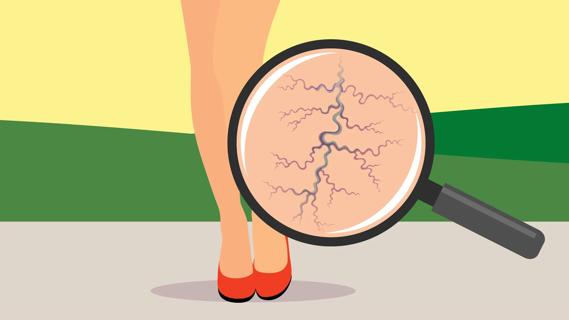
At-home treatments and lifestyle changes may help ease the symptoms and improve the appearance of varicose veins — but they aren’t a cure

Regular exercise, an iron-rich diet, adequate sleep and bedtime routines that include a warm bath or massage may help with your kid’s RLS
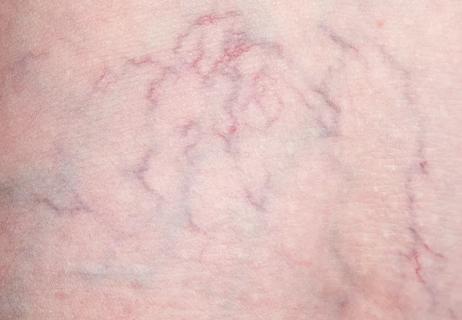
Unlike varicose veins, spider veins don't necessarily indicate poor circulation

Cardio can reduce the appearance of varicose veins, but only temporarily
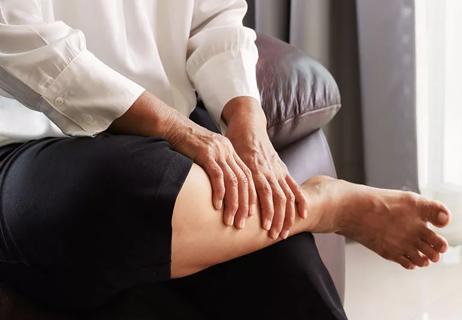
It could be your feet need a rest, but swollen legs may also be a sign of a serious condition
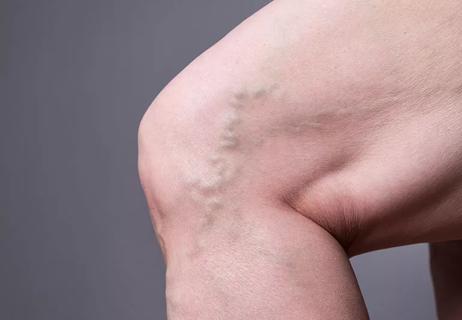
Some symptoms should be taken seriously

Pain may signal a damaged nerve or herniated disk

Managing your weight through physical activity may lower your chances of getting this common cancer

It typically starts in October and winds down in early spring, with cases at their highest in the middle of winter

Anxiety disorders, health conditions and past trauma can make driving nerve-wracking — help is available
 Search










