Locations:


It can take a few months — and you’ll need to put down the tweezers to give your brows time to recover
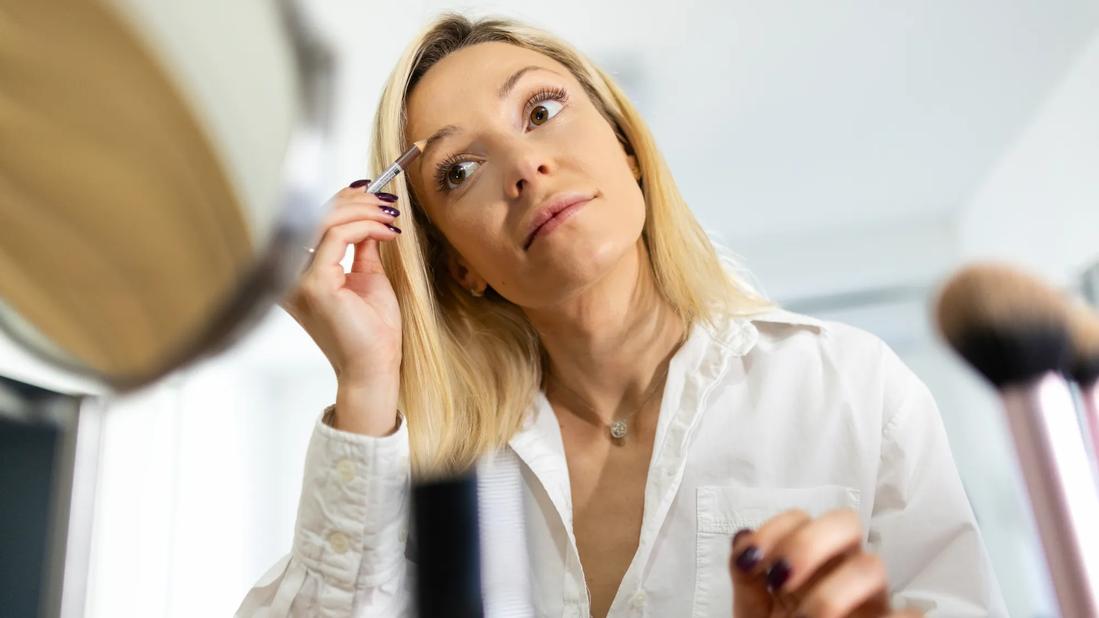
Image content: This image is available to view online.
View image online (https://assets.clevelandclinic.org/transform/d0fb2ab1-8480-401e-b3fb-3571c526fb78/growing-back-Eyebrows-1905415595)
Person holding eyebrow pencil up to their eyebrows
You’ve recently been a bit overzealous with plucking, shaving or waxing your eyebrows — with less than stellar results. Our message to you: Don’t panic. There’s hope for your eyebrows.
Advertisement
Cleveland Clinic is a non-profit academic medical center. Advertising on our site helps support our mission. We do not endorse non-Cleveland Clinic products or services. Policy
So, how long does it take for eyebrows to grow back?
“Most of the time, they grow back within a few months,” says dermatologist Shilpi Khetarpal, MD. “It depends on many factors, including the method you used and how traumatic it is for your hair, but you won’t be stuck with thin or no eyebrows forever.”
In most cases, yes. When it comes to eyebrow regrowth, patience is key. It can take at least two to three months to see hair growth.
But many factors can affect eyebrow growth, like:
Advertisement
There’s no miracle cure for growing back your eyebrows. But making certain changes to your eyebrow regimen can help speed up growth.
Regardless of your eyebrow grooming method, treat them like a relationship that needs repair: Give them the space and time they need.
“But if you’re looking in the magnifying mirror every day, obsessing over each hair, your eyebrows will never get the chance to recover,” warns Dr. Khetarpal.
That means you should limit how often you pluck, wax or shave that area.
Eating a well-balanced diet — think foods with antioxidants, polyphenols and vitamin C — can help with eyebrow growth.
And if you aren’t getting needed nutrients from food, you may want to talk to a healthcare provider about supplements. Here are some to consider:
Bimatoprost (Latisse®) is a prescription topical used to lengthen and thicken eyelashes. “It’s been shown to help brows, too,” says Dr. Khetarpal.
If you prefer the over-the-counter route, try 2% or 5% minoxidil (Rogaine®). While it’s meant for hair growth on the scalp, it can also stimulate hair growth on eyebrows.
But Dr. Khetarpal says there are two cautions for using minoxidil near your eyes:
So, make sure you apply minoxidil with care and use it consistently to see results.
If you still don’t see the growth you want after four months, it may be time to talk with a dermatologist. They have many non-DIY options you can try, including:
“The hair growth cycle for eyebrows is between three and four months, so you need enough time for the hair to respond to any changes you make,” reiterates Dr. Khetarpal.
Thick, fuller eyebrows have been all the rage lately. But there’s hope.
Start by taking a break from grooming to give your eyebrows time to recover. Eat a well-balanced diet to make sure you’re getting all of your vital nutrients. And consider talking to a dermatologist about your options, like topical treatments.
Advertisement
“Practice patience and give your brows some time to regrow,” stresses Dr. Khetarpal. “There’s no magic pill that will instantly give you fuller brows. It takes time to see the results from the changes you make.”
Advertisement

Sign up for our Health Essentials emails for expert guidance on nutrition, fitness, sleep, skin care and more.
Learn more about our editorial process.
Advertisement
The cosmetic treatment may help prolong your hair’s growing phase
The sooner you address hair loss, the better your chances of preserving — and even regrowing — it

Genetics, hormones and aging are usually responsible, but treatments can help slow hair loss and even encourage regrowth
Natural shedding, alopecia and stress are just a few possible reasons for hair loss
Things like stress, heated styling and other health conditions may cause you to lose more hair than normal
A variety of stressors can leave you with bald patches or thinning hair
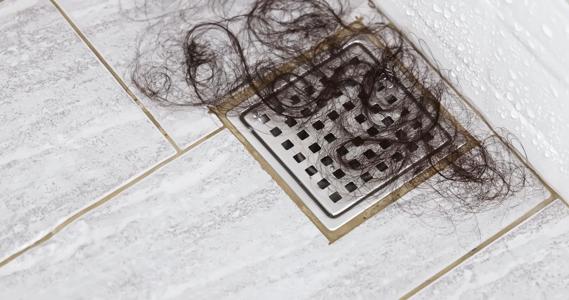
It’s normal to lose around 50 to 150 strands per day to routine hair shedding

Studies are mixed, but frequently wearing very tight, warm hats could stress your follicles and lead to hair loss
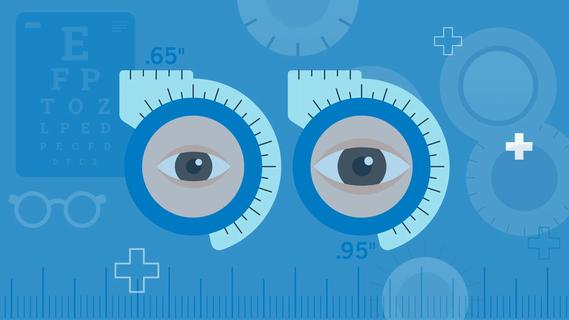
Eyes typically increase to full size during two growth spurts in childhood
To start, opt for calorie-dense foods that are rich in protein and healthy fats

Pre-birth injections and monoclonal antibodies can help prevent serious complications
 Search