Locations:





The sooner you address hair loss, the better your chances of preserving — and even regrowing — it
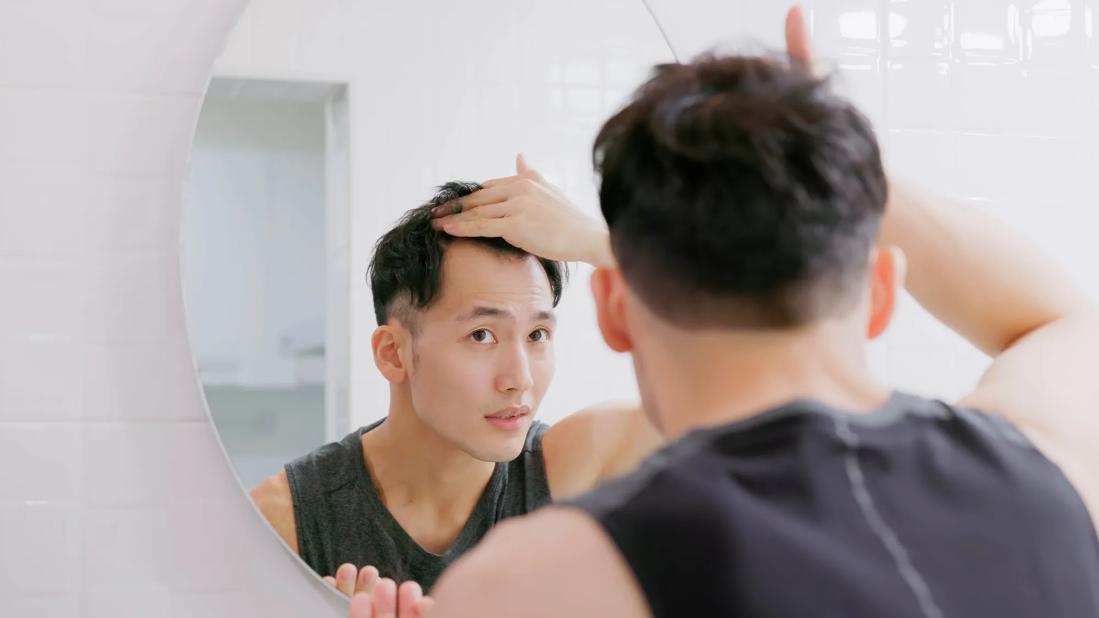
Image content: This image is available to view online.
View image online (https://assets.clevelandclinic.org/transform/4da1c88b-bc7c-445f-849b-be4e885e8090/person-looks-mirror-hair-loss-1468441647)
Person looking in mirror, checking their hairline
Finding a few hairs in your brush or shower drain isn’t cause for alarm. In fact, losing about 100 hairs a day is a normal part of the hair growth cycle.
Advertisement
Cleveland Clinic is a non-profit academic medical center. Advertising on our site helps support our mission. We do not endorse non-Cleveland Clinic products or services. Policy
But if the head of hair you’re brushing suddenly seems thinner than it used to, don’t ignore it: “Hair loss treatment is about preservation first,” says dermatologist Chey Ranasinghe, MD. “The biggest mistake people make is waiting.”
Here’s what Dr. Ranasinghe recommends to help stop your hair from thinning or falling out.
Don’t assume there’s nothing that can be done if your hairline starts creeping back. A combination of medications, treatments and healthy habits can often slow hair thinning — and sometimes, even reverse some of it.
Early intervention is key, so start a conversation with a dermatologist as soon as you notice your hair thinning. They can identify the cause of your hair loss and offer treatment suggestions to improve hair health.
“I like to compare it to taking care of your lawn," says Dr. Ranasinghe. “It’s much easier to keep grass healthy than it is to regrow it after it’s gone.”
Here’s how to keep your locks looking luscious.
Medications are often the first step for halting hair thinning — and maybe even regaining some of what was lost. They include:
Advertisement
Many people use both minoxidil and finasteride because they target hair loss in different ways.
“Minoxidil helps the hair grow,” explains Dr. Ranasinghe. “Finasteride addresses why the hair is shrinking.”
Some people also use in-office and at-home therapies to address hair loss. These options can play a role in a broader treatment plan depending on what’s causing your hair thinning and hair restoration goals.
Treatments include:
Dr. Ranasinghe stresses that these therapies work best as additions to medications, not replacements for them.
Your hair needs to be fed to stay healthy. “Hair is made of protein,” emphasizes Dr. Ranasinghe. “Your body needs enough protein, along with vitamins and minerals, to build healthy hair.”
She recommends focusing on a balanced eating plan that includes:
The Mediterranean diet checks many of those boxes and supports overall health, too.
Generally, Dr. Ranasinghe recommends getting hair-boosting nutrients through food rather than supplements. Some supplements can even make hair loss worse if they contain too much of certain nutrients. Talk to a healthcare professional before starting a supplement routine.
Healthy hair grows from a healthy scalp. Keeping your scalp clean, addressing dandruff or inflammation, and following good hair care practices can help create the best environment for healthy hair growth.
“It’s like growing a rose bush,” illustrates Dr. Ranasinghe. “You need the right soil, water, sunlight and nutrients. Hair is the same in a way. Everything works together.”
Healthy practices include:
While stress isn’t usually a primary cause of hair loss, it can be a contributing factor. (Plus, let’s be honest, chronic stress really isn’t ideal on any level.)
Advertisement
“Stress increases our cortisol levels, and this hormone imbalance then disrupts the hair cycle and can lead to follicle dysregulation,” explains Dr. Ranasinghe. “Hair is a very sensitive organ. People don’t really think of it as an organ, but it is.”
Not always. How much hair you might regain depends on several factors, like:
That’s why Dr. Ranasinghe encourages people not to wait until they’ve lost a significant amount of hair to seek help. Balding is incredibly common, affecting an estimated 80% of men and 50% of women.
Hair loss typically increases with age, but it can also start at a young age — even during the teenage years. That’s when early action is most critical.
“If you’re noticing thinning or a receding hairline, don’t assume it’s too early to do something about it,” Dr. Ranasinghe advises. “The sooner you start, the more hair you may be able to keep.”
Advertisement

Sign up for our Health Essentials emails for expert guidance on nutrition, fitness, sleep, skin care and more.
Learn more about our editorial process.
Advertisement

Genetics, hormones and aging are usually responsible, but treatments can help slow hair loss and even encourage regrowth
Natural shedding, alopecia and stress are just a few possible reasons for hair loss
Things like stress, heated styling and other health conditions may cause you to lose more hair than normal
A variety of stressors can leave you with bald patches or thinning hair
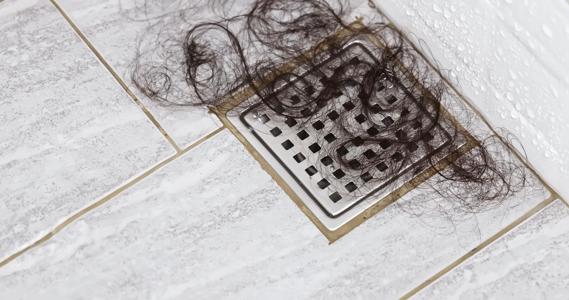
It’s normal to lose around 50 to 150 strands per day to routine hair shedding
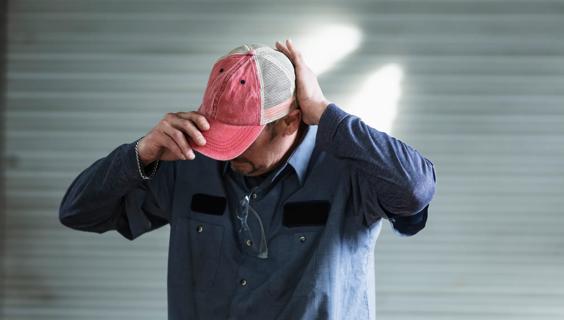
Studies are mixed, but frequently wearing very tight, warm hats could stress your follicles and lead to hair loss
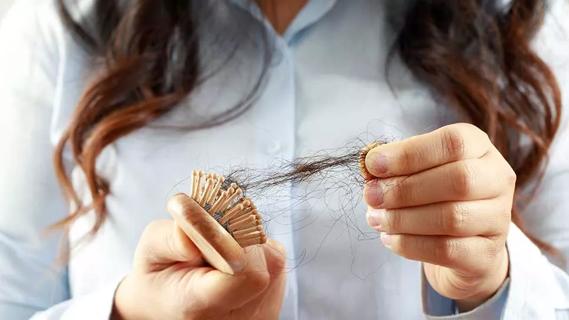
The endocrine gland in charge of hormone production may be causing your hair to shed or stop growing
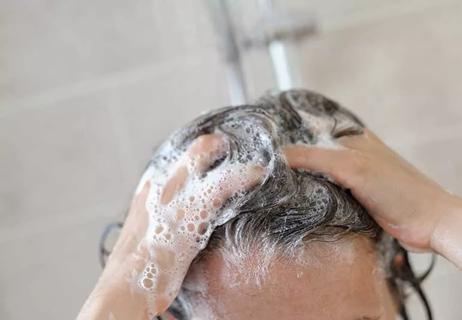
They can’t treat the cause of your hair loss, but some ingredients are better than others

Managing your weight through physical activity may lower your chances of getting this common cancer

It typically starts in October and winds down in early spring, with cases at their highest in the middle of winter

Anxiety disorders, health conditions and past trauma can make driving nerve-wracking — help is available
 Search










