Locations:





A variety of stressors can leave you with bald patches or thinning hair
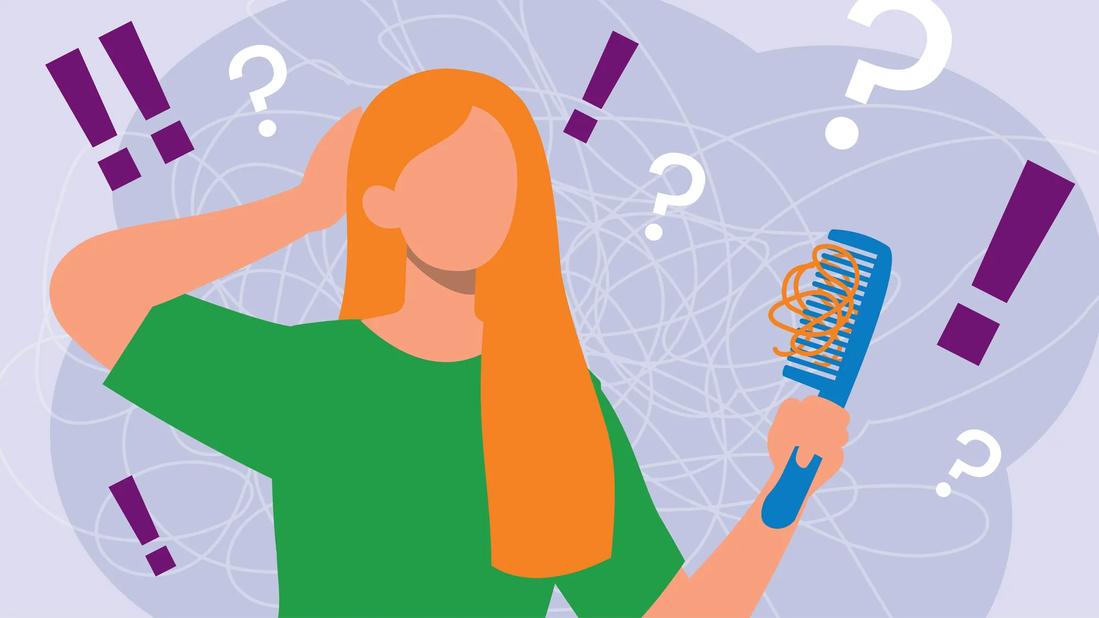
Image content: This image is available to view online.
View image online (https://assets.clevelandclinic.org/transform/7eed1468-6217-4fd0-9500-e85a43c27582/stress-hair-loss-1396000620)
Person with comb in hand with hair strands in it, wondering about hair loss
Stress can be visible in all kinds of ways, including a head of hair that’s not quite as thick as you remember.
Advertisement
Cleveland Clinic is a non-profit academic medical center. Advertising on our site helps support our mission. We do not endorse non-Cleveland Clinic products or services. Policy
Emotional or physical stress can lead to noticeable hair loss, ranging from bare patches to overall thinning of your mane. How does it happen and what can you do about it? We asked dermatologist Melissa Piliang, MD, to explain.
During times of stress, your body naturally increases cortisol levels as part of its “fight-or-flight” response. The steroid hormone affects your whole body — and that includes hair growth.
“When cortisol levels stay high, hair follicles may switch from growth mode into a resting phase,” explains Dr. Piliang. “That can lead to increased shedding seen days, weeks or even months later.”
Hair growth also takes a lot of energy and nutrients. When your body is under stress, it may divert some hair-growing resources to protect your vital organs (such as your brain, heart and lungs).
“It’s a matter of priorities,” says Dr. Piliang. “Hair isn’t essential for your survival. Your organs are.”
While we often connect stress to emotional situations, that’s not the only way it arrives. Your body can be stressed by:
“Any of those stress factors could trigger hair loss,” emphasizes Dr. Piliang.
Advertisement
Stress-related hair loss doesn’t always look the same for everyone — and it doesn’t mean you wake up bald one morning. If it happens, you may notice:
You may also notice other non-hair-related signs of stress, like trouble sleeping, increased anxiety or changes in appetite.
Stress can trigger hair loss in different ways. The most common include:
Telogen effluvium (TE) is the most common type of stress-related hair loss. It happens when a large number of your hair follicles shift from growth mode to resting phase and shed at the same time.
This can lead to noticeable hair loss, sometimes even two to three months after a particularly stressful event, says Dr. Piliang.
Alopecia areata is an autoimmune condition where your immune system attacks hair follicles. This can result in sudden, patchy hair loss.
Stress may play a role in an alopecia areata flare-up if you’re prone to the condition: “Stress can definitely throw off your immune system and maybe tip it to the point where you see alopecia areata,” notes Piliang.
But it’s not always clear whether stress is a direct trigger for alopecia areata or if the troubling sight of hair loss creates stress afterward.
Stress can fuel an urge to pull out hair as a less-than-healthy coping mechanism. Over time, this behavior — known as trichotillomania — can leave bald patches on your head or result in noticeable hair thinning.
“It’s kind of similar to chewing nails,” says Dr. Piliang. “Every time you pull out a hair, it causes a little pain. That little bit of pain is like an endorphin that temporarily distracts your mind and dulls stress.”
If you’re experiencing troubling hair loss, the first step is to see a healthcare provider for some answers.
“It’s always best to get a medical evaluation,” advises Dr. Piliang. “Many different things can cause hair loss, including thyroid problems or nutrient deficiencies. Don’t just assume it’s because of stress.”
But IF your hair loss is stress-related, there are ways to restore your flowing locks, including:
Efforts to manage or prevent stress-related hair loss should also be considered to address the root cause of the issue — namely, the stress itself. There are many different ways to address stress in your life, such as:
Advertisement
“So many people live their life at a very high baseline stress level — and it can affect your health in so many ways,” says Dr. Piliang. “That’s why learning how to manage stress is so important.”
Advertisement

Sign up for our Health Essentials emails for expert guidance on nutrition, fitness, sleep, skin care and more.
Learn more about our editorial process.
Advertisement
The sooner you address hair loss, the better your chances of preserving — and even regrowing — it

Genetics, hormones and aging are usually responsible, but treatments can help slow hair loss and even encourage regrowth
Natural shedding, alopecia and stress are just a few possible reasons for hair loss
Things like stress, heated styling and other health conditions may cause you to lose more hair than normal
It’s normal to lose around 50 to 150 strands per day to routine hair shedding

Studies are mixed, but frequently wearing very tight, warm hats could stress your follicles and lead to hair loss
The endocrine gland in charge of hormone production may be causing your hair to shed or stop growing
They can’t treat the cause of your hair loss, but some ingredients are better than others

Managing your weight through physical activity may lower your chances of getting this common cancer

It typically starts in October and winds down in early spring, with cases at their highest in the middle of winter

Anxiety disorders, health conditions and past trauma can make driving nerve-wracking — help is available
 Search










