Locations:





Bowel movement frequency varies person to person, ranging from a few times a day to a few times per week
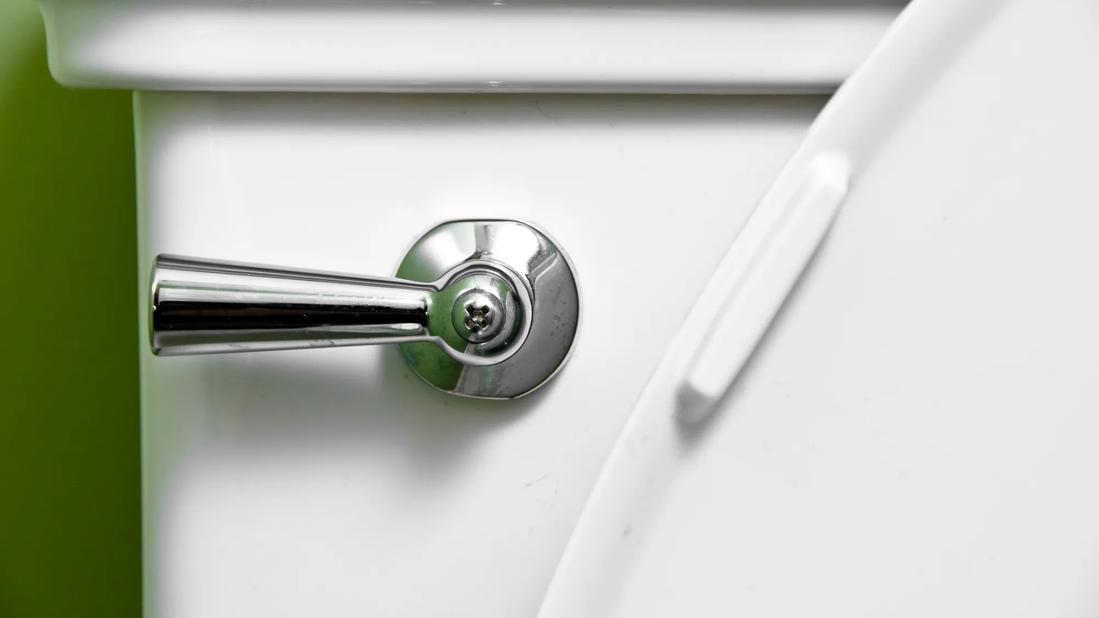
Image content: This image is available to view online.
View image online (https://assets.clevelandclinic.org/transform/0a7a8b2c-014b-4b27-9196-86280c70e437/toilet-174543971)
Flushing handle on a toilet
How often should you poop? It might be the No. 1 question people ask about going No. 2. For a hard and solid answer, we turn to colorectal surgeon Arielle Kanters, MD.
Advertisement
Cleveland Clinic is a non-profit academic medical center. Advertising on our site helps support our mission. We do not endorse non-Cleveland Clinic products or services. Policy
Bowel movement frequency varies from person to person. Some might regularly poop multiple times a day. Others may go once daily — maybe even at the same time. And some do it just a few times a week.
On average, men poop more frequently than women, says Dr. Kanters. Not coincidentally, women are more likely to experience constipation.
But again, everyone is a bit different.
“You don't need to have a bowel movement every single day,” she says. “As long as you don’t feel backed up and you’re emptying out when you go, you’re probably fine. We all have our own natural schedule.”
A variety of factors can dictate how often you need to poop, says Dr. Kanters. The list includes:
Advertisement
If you poop at 8 a.m. every morning like clockwork, great — but a bowel movement doesn’t have to be a scheduled event. Expect some variation. Don’t worry if you skip a day here and there either.
“Go when you feel the need to go,” says Dr. Kanters. “Don’t feel pressure to do it a certain time.”
Your poop may look different day to day, too. (Even the color may change!) That variety is to be expected. The Bristol Stool Chart offers some perspective as to what different poop shapes and sizes may mean.
Absolutely not! Pushing or straining to force out poop can lead to swollen hemorrhoids or other uncomfortable issues. Ditto for sitting on the toilet for a long time, waiting for an eventual splashdown.
“If it’s not ready, it’s not ready,” emphasizes Dr. Kanters. “Don’t feel like you need to make something happen. Wait until later, when your body tells you it’s time for the poop to come out.”
Pooping routines aren’t exactly firm. Some days or weeks, you may go more. Sometimes, it may be less. But we all have what seems like our “normal” bathroom habits — and it’s obvious when things are off.
Don’t ignore drastic changes that linger for two weeks or more, urges Dr. Kanter. Signs like blood in your stool or abdominal pain deserve attention, too.
“If something feels wrong, it’s worth getting looked at — especially with the rise we’ve been seeing in colorectal cancer,” she notes. “Don’t just tell yourself, ‘I’m fine, I’m fine, I’m fine.’ Listen to what your body is telling you.”
Advertisement

Sign up for our Health Essentials emails for expert guidance on nutrition, fitness, sleep, skin care and more.
Learn more about our editorial process.
Advertisement
Get help if it lasts more than a couple days or comes with other worrying symptoms
For a more efficient and pleasant bathroom routine, raise your feet onto a small stool and don't overdo the wiping
There’s usually a simple answer, like what you ate, but the color can also be a cause for concern

Excess mucus, ulcers, a high-fat diet and pancreatic conditions can make stool sticky

Stomach bugs, foods and excess bile or fats can cause yellow diarrhea

Diet offers a rainbow of possibilities when it comes to the hue of your stool

Yes, diarrhea is common after drinking too much alcohol — and the best treatment is to hydrate and wait it out
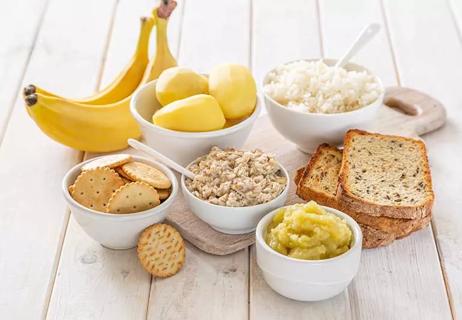
Keep the menu plain and simple and make sure you stay hydrated

Hormonal changes, a slower metabolism and muscle loss can make weight gain more common around menopause — healthy habits can help you manage it

Life-threatening complications include sepsis, stroke, pneumonia and more

Fruity-smelling breath can happen when your body burns fat for energy, and in some cases, can signal a medical emergency
 Search










