Locations:





Antibacterial soap hasn’t been shown to be any more effective at killing germs than regular soap and water
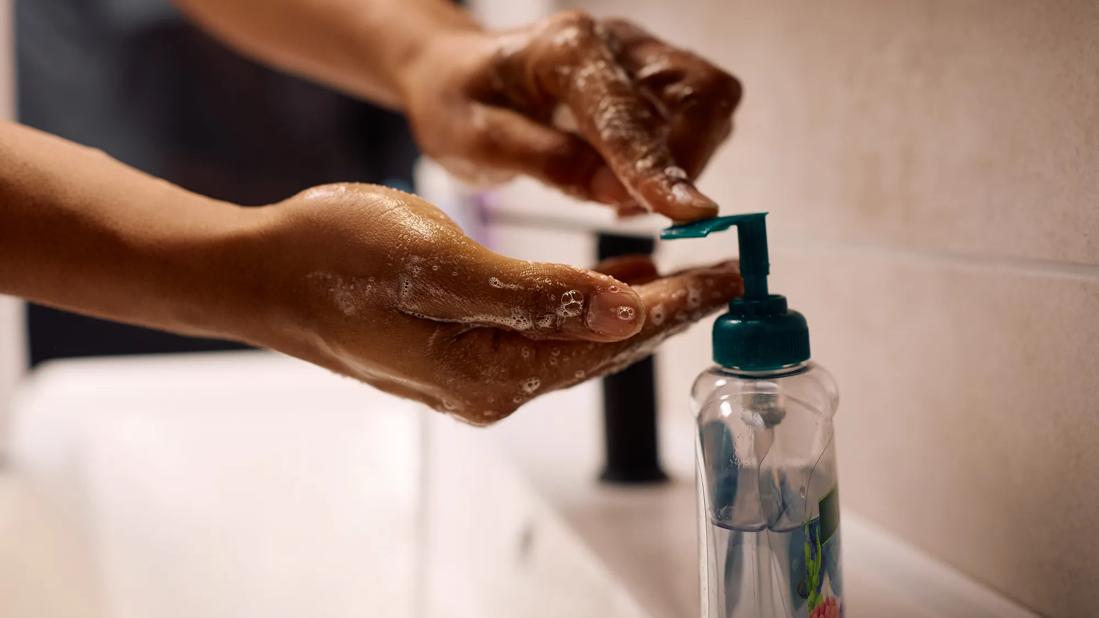
Image content: This image is available to view online.
View image online (https://assets.clevelandclinic.org/transform/19236955-71f8-47cf-9572-635e3eb67d9d/washing-hands-soap-2201953703)
Hand pumping liquid soap from bottle onto other hand
You know how important it is to wash your hands. It helps keep germs from spreading, which can help prevent illnesses. But does it matter what kind of soap you use?
Advertisement
Cleveland Clinic is a non-profit academic medical center. Advertising on our site helps support our mission. We do not endorse non-Cleveland Clinic products or services. Policy
The name “antibacterial soap” suggests extra protection against germs. But family medicine physician Charles Garven, MD, says this kind of soap doesn’t truly offer additional defense.
Antibacterial soaps contain certain chemical ingredients that aren’t found in regular soap.
“Antibacterial soap is marketed as being better than regular soap at preventing illnesses and the spread of certain infections,” Dr. Garven explains. “But that hasn’t actually been shown to be the case.”
In fact, in 2016, the U.S. Food and Drug Administration (FDA) banned manufacturers from including 19 common chemical ingredients in over-the-counter antibacterial soaps. The FDA said there wasn’t enough proof that these ingredients — including triclosan and triclocarban — were safe in the long term or more effective than regular soap.
Today, antibacterial soaps may still contain the following chemical ingredients:
Data shows that proper handwashing can help reduce the spread of certain infectious diseases, including respiratory illnesses, by more than 20%. But you don’t need antibacterial soap to get the job done.
Special soaps aren’t necessary to clean your hands because soap alone doesn’t kill bacteria. Rather, soap’s role is to loosen dirt and germs, which helps the water remove them from your skin.
Advertisement
“Washing your hands with plain soap and running water for at least 20 seconds is one of the most important steps you can take to avoid getting sick and to prevent spreading germs to others,” Dr. Garven says. “There’s no evidence that antibacterial ingredients work any better and potentially just gives many people false reassurance.”
Many infections out there are, in fact, viral (not bacterial), so the theoretical benefit of the antibacterial soap misses a large majority of infections we’re concerned about — which is why soap and water remain the gold standard.
What’s worse, antibacterial ingredients may contribute to antibiotic resistance, which is when bacteria adapt to resist the antibiotics used to treat them in the future.
There are certain situations where antibacterial soaps may be recommended, like if you’re handling raw meat or following your healthcare provider’s guidance for treating a specific skin infection.
But if you’re just doing some everyday handwashing, regular soap and water are the right tools for the job. What matters more is how you wash your hands — including how long you wash for and how well you scrub.
The U.S. Centers for Disease Control and Prevention (CDC) estimates that up to 80% of infectious diseases are transmitted through touch. But washing your hands the right way can help you stay healthy and safe.
Using a bar of soap or at least a teaspoon of liquid soap, lather well for at least 20 seconds. Be sure to scrub between your fingers and your fingernails! When you’re done, rinse the soap from your hands and dry them with a clean towel or an air dryer.
“You can wash your hands with warm or cold water,” Dr. Garven notes. “But warm water may be a little bit better at helping to loosen those oils from your skin.”
But when it comes to soap, the bottom line is simple: There’s no need to bother with antibacterial soaps.
“The illness rates are the same between people using regular soap and people using antibacterial soaps,” Dr. Garven says. “As long as you wash properly, you’re getting rid of bacteria.”
Advertisement

Sign up for our Health Essentials emails for expert guidance on nutrition, fitness, sleep, skin care and more.
Learn more about our editorial process.
Advertisement

Your dollar bills, coins and cards are covered in germs — but they’re very unlikely to make you sick
It’s a great disinfectant for around your home, but not for your skin

Bathing once a day is the general guidance, but you could also have reasons to soap up twice a day or not at all
You’re sharing your sheets with dust mites, bacteria and lots of dead skin, so you’ll want to keep your bedding fresh
You may notice itching, redness and swelling after wearing or using laundered items
An icy blast may boost mental clarity, increase circulation and give your skin a little glow — but don’t overdo it

Researchers found potentially harmful germs on 95% of wristbands
Wash your bath towels at least once a week, and washcloths at least twice a week

Managing your weight through physical activity may lower your chances of getting this common cancer
It typically starts in October and winds down in early spring, with cases at their highest in the middle of winter

Anxiety disorders, health conditions and past trauma can make driving nerve-wracking — help is available
 Search










