Locations:





Your dollar bills, coins and cards are covered in germs — but they’re very unlikely to make you sick
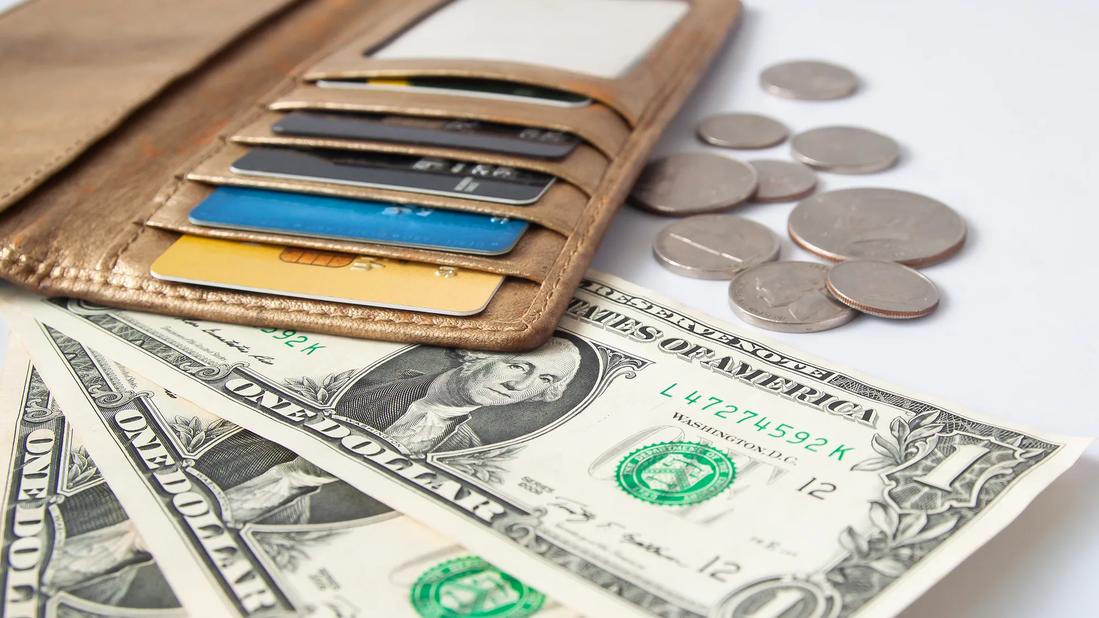
Image content: This image is available to view online.
View image online (https://assets.clevelandclinic.org/transform/2d80a5bf-cae5-45f4-bdab-765b4f5ae123/wallet-money-creditCards-2180694376)
Wallet, credit cards, change and money laid out
Do you remember watching people paddle around in swimming pools full of money in cartoons? Or watching winning game show contestants kiss giant wads of cash in front of a live studio audience?
Advertisement
Cleveland Clinic is a non-profit academic medical center. Advertising on our site helps support our mission. We do not endorse non-Cleveland Clinic products or services. Policy
Maybe don’t be too jealous — that money was crawling with germs.
But don’t be too alarmed either. As infectious disease specialist Kruti Yagnik, DO, explains, it’s extremely unlikely that your money will make you sick, and you definitely don’t need to wash dollar bills or coins.
Your wallet’s a petri dish, but that doesn’t make your money dangerous. Remember that part, because this is about to get a little gross.
According to a 2023 review, researchers found all sorts of crud on coins, bank notes and payment cards, ranging from the common cold and cocaine to salmonella and the virus that causes polio.
They also found norovirus, which is mostly transmitted via the fecal-oral route.
Yep, that’s right: There’s poop on your money. And plenty of other things you’re better off not thinking about. But Dr. Yagnik says you’re more likely to make yourself sick reading about contaminated money than you are to get sick from touching it.
Your dollar bills, coins and cards are crawling with germs because — like door handles, car keys and phones — they’re “high-touch surfaces.”
“Even things that don’t circulate widely, like your credit cards, still frequently pass from your hands to someone else’s, back and forth,” Dr. Yagnik explains. “Wallets and handbags are hot spots for germs, too.”
Advertisement
Your money’s also a great place for microorganisms like viruses, bacteria and fungi to make a home for themselves because it:
It seems like a simple equation. If money’s covered in germs, it’ll make you sick … right?
Turns out, it’s not that simple.
The likelihood of getting sick from a contaminated bank note, coin or card is extremely low, even if you’re immunocompromised. Dr. Yagnik points out that most viruses, bacteria, mold and fungi don’t spread through casual contact.
“Even for highly infectious conditions like COVID-19, the risk of actually getting sick from touching money is extremely small,” she reports.
A 2022 study had participants who were sick with COVID-19 cough on a dollar bill and hand it to a volunteer. That volunteer touched the bill — and then touched their face. The study findings estimated that COVID-19 would successfully transmit through cash handling fewer than once in 107 years.
The risk is higher for cashiers because they come into contact with money more often. But the study found their risk was still low — fewer than one successful transmission every 21 months.
Was that study perfect? Definitely not. Is it still helpful for understanding relative risk? Absolutely.
“The bottom line is, you’re far more likely to get sick from a customer not covering their mouth when they cough or sneeze, or while taking care of a sick loved one,” Dr. Yagnik clarifies. “We take risks every day, and handling money isn’t a big one.”
So, yes, your cash is probably covered in crud. But it’s not likely to make you sick.
The money laundering jokes practically write themselves, but no: Washing your dollar bills and coins isn’t recommended for infectious disease prevention. The risk of transmitting an illness through money handling is too low — it’s not worth your time.
But there are risks involved in washing dollar bills and coins, in particular. You risk:
If a bank note is damaged, stained or visibly grimy, try exchanging it at your local bank. Otherwise, try not to think about the germs it’s hosting.
The world is a germy place — and cleaning your money doesn’t change that. Instead, focus on boosting your immune health and practicing infectious disease prevention strategies while you’re out and about.
Advertisement
Dr. Yagnik says you can further decrease your chances of getting sick while shopping when you:
If you’re still uncomfortable, masking up and wearing nitrile gloves is also an option. But it may be more helpful to talk to a provider about your concerns.
“If your worries about germs and contamination are negatively affecting your life, we can help you address them,” Dr. Yagnik reassures. “We can also share research-backed tips to improve your immune health, so you can feel more confident interacting with both your money and other people.”
Advertisement

Sign up for our Health Essentials emails for expert guidance on nutrition, fitness, sleep, skin care and more.
Learn more about our editorial process.
Advertisement
Antibacterial soap hasn’t been shown to be any more effective at killing germs than regular soap and water
It’s a great disinfectant for around your home, but not for your skin

Bathing once a day is the general guidance, but you could also have reasons to soap up twice a day or not at all
You’re sharing your sheets with dust mites, bacteria and lots of dead skin, so you’ll want to keep your bedding fresh
You may notice itching, redness and swelling after wearing or using laundered items
An icy blast may boost mental clarity, increase circulation and give your skin a little glow — but don’t overdo it

Researchers found potentially harmful germs on 95% of wristbands
Wash your bath towels at least once a week, and washcloths at least twice a week

Managing your weight through physical activity may lower your chances of getting this common cancer
It typically starts in October and winds down in early spring, with cases at their highest in the middle of winter

Anxiety disorders, health conditions and past trauma can make driving nerve-wracking — help is available
 Search










